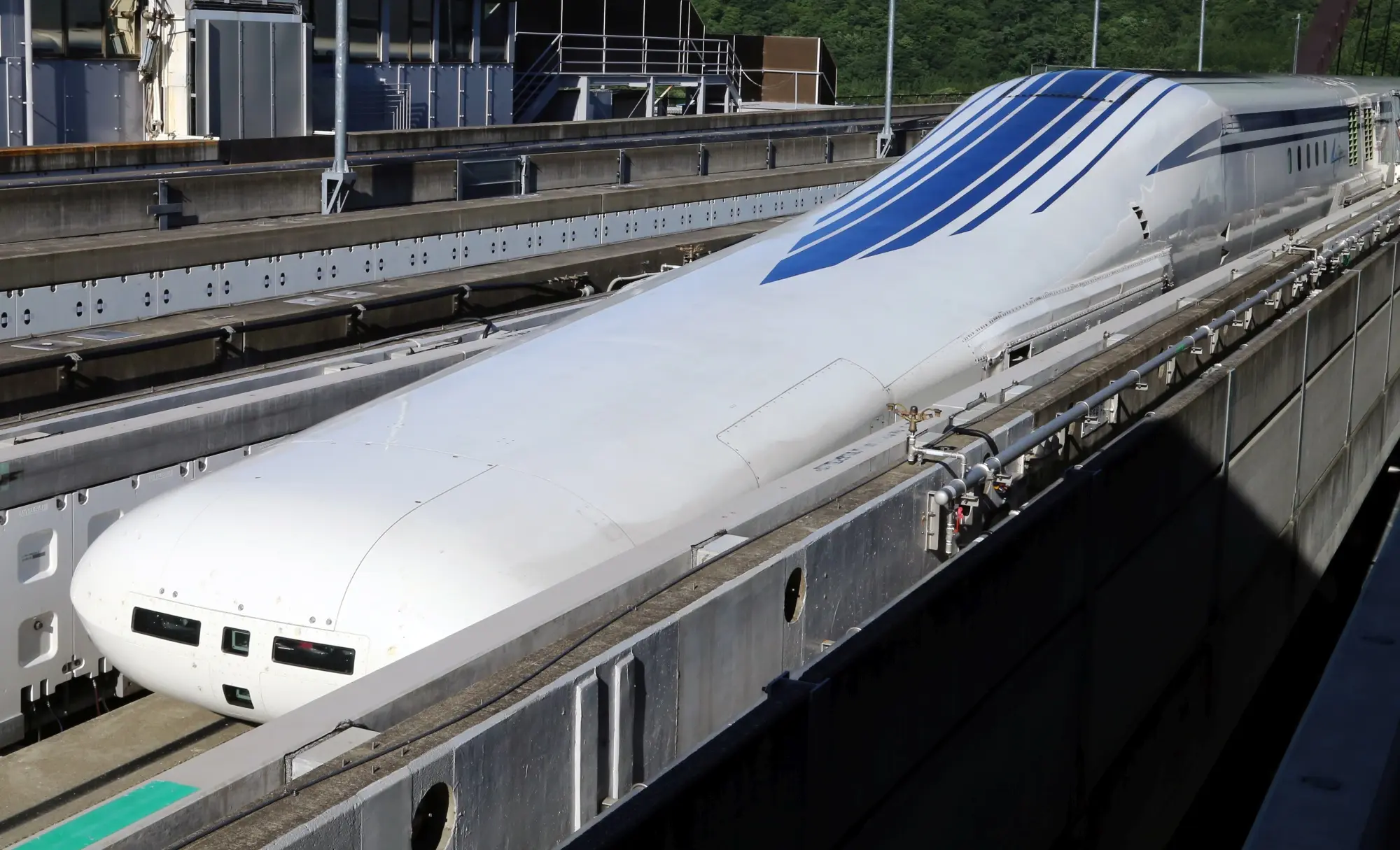
Introduction to Maglev Technology
Maglev, short for magnetic levitation, represents a revolutionary advancement in transportation technology. By utilizing powerful magnets to lift and propel trains, maglev systems eliminate traditional friction found in rail systems. This technology not only enhances speed and efficiency but also promises to shape the future of public transportation, making it a topic of significant relevance and interest in today’s world.
Recent Developments in Maglev
As of 2023, several countries are investing heavily in the development and implementation of maglev trains. In Japan, the Chuo Shinkansen line, which began construction in 2014, is set to operate at speeds of up to 310 miles per hour. Expected to connect Tokyo and Nagoya by 2027, it showcases the technological capabilities and efficiency that maglev projects hold.
Meanwhile, China has also made strides in this area with its Shanghai maglev train, which has been in operation since 2004. Recent announcements indicate plans to expand maglev technology throughout several cities, capitalizing on its speed and futurist appeal.
Benefits of Maglev Systems
The benefits of maglev technology extend beyond speed alone. As concerns about climate change and urban congestion increase, maglev trains offer a sustainable alternative to traditional transportation networks. They consume less energy, are quieter, and emit no direct greenhouse gases. Additionally, the safety associated with maglev technology is notable, as the lack of physical contact with tracks minimizes wear and tear, greatly reducing accident risks.
Challenges and Outlook
Despite its advantages, maglev technology faces significant challenges. The development costs are substantial, and the infrastructure needed can be extensive. For instance, the construction of elevated tracks suitable for maglev trains can disrupt local environments. Moreover, the integration with existing transportation systems poses logistical hurdles.
Nevertheless, industry experts remain optimistic. With advancements in technology and rising investments, it’s anticipated that maglev will gain traction globally, paving the way for high-speed rail networks that can reshape urban landscapes and reduce travel times significantly.
Conclusion
Maglev technology stands at the forefront of modern transportation innovation. Its ability to facilitate rapid, efficient, and eco-friendly travel makes it a crucial player in the future infrastructural landscape. As nations continue to explore and implement maglev systems, both the transportation sector and society at large will benefit from this groundbreaking approach to mobility.