Introduction
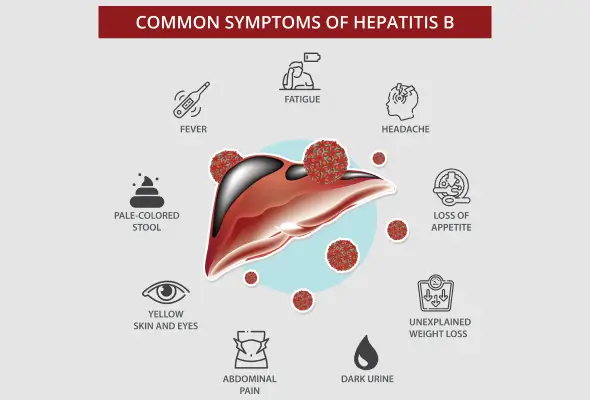
Hepatitis B remains a significant global health concern, affecting millions of individuals worldwide. As a viral infection that primarily targets the liver, it can lead to severe complications, including liver disease and liver cancer. With ongoing efforts to raise awareness and promote vaccination, understanding Hepatitis B is more critical than ever.
Current Statistics and Facts
According to the World Health Organization (WHO), approximately 296 million people were living with chronic Hepatitis B worldwide in 2019. In the United States, the Centers for Disease Control and Prevention (CDC) estimates that around 850,000 to 2.2 million people are currently infected. The virus is transmitted through contact with infectious body fluids, and, without proper management, it can lead to serious long-term health issues.
Recent Developments in Treatment and Vaccination
Recent advancements in medicine have improved the management of Hepatitis B. New antiviral therapies can help control the virus, reducing the risk of long-term liver damage. However, the best strategy remains prevention through vaccination. The Hepatitis B vaccine is safe and highly effective, and routine immunization is recommended, particularly for infants and high-risk populations, such as healthcare workers, individuals with multiple sexual partners, and those with chronic kidney disease.
Importance of Awareness and Education
Raising awareness about Hepatitis B is essential for prevention. Many individuals are unaware of their infection status, leading to delayed treatment and increased transmission risk. Campaigns aimed at educating people about the disease, its transmission methods, and the importance of routine screenings can significantly impact public health. Organizations like the CDC and WHO continuously work to educate communities about Hepatitis B, emphasizing the need for testing and vaccination.
Conclusion
As the fight against Hepatitis B continues, ongoing education, improved access to healthcare, and vaccination efforts are crucial in reducing the burden of this disease. With the potential for new treatments on the horizon, there is hope for better outcomes for those affected. For individuals, understanding the risks and taking preventive measures can significantly decrease the incidence of Hepatitis B and contribute to a healthier future.