Introduction
Sinkholes have become increasingly prevalent, especially in urban environments, causing property damage, injuries, and raising concerns among city planners and residents alike. With climate change and increased rainfall leading to more instances of this geological phenomenon, understanding sinkholes is crucial for public safety and urban development.
What is a Sinkhole?
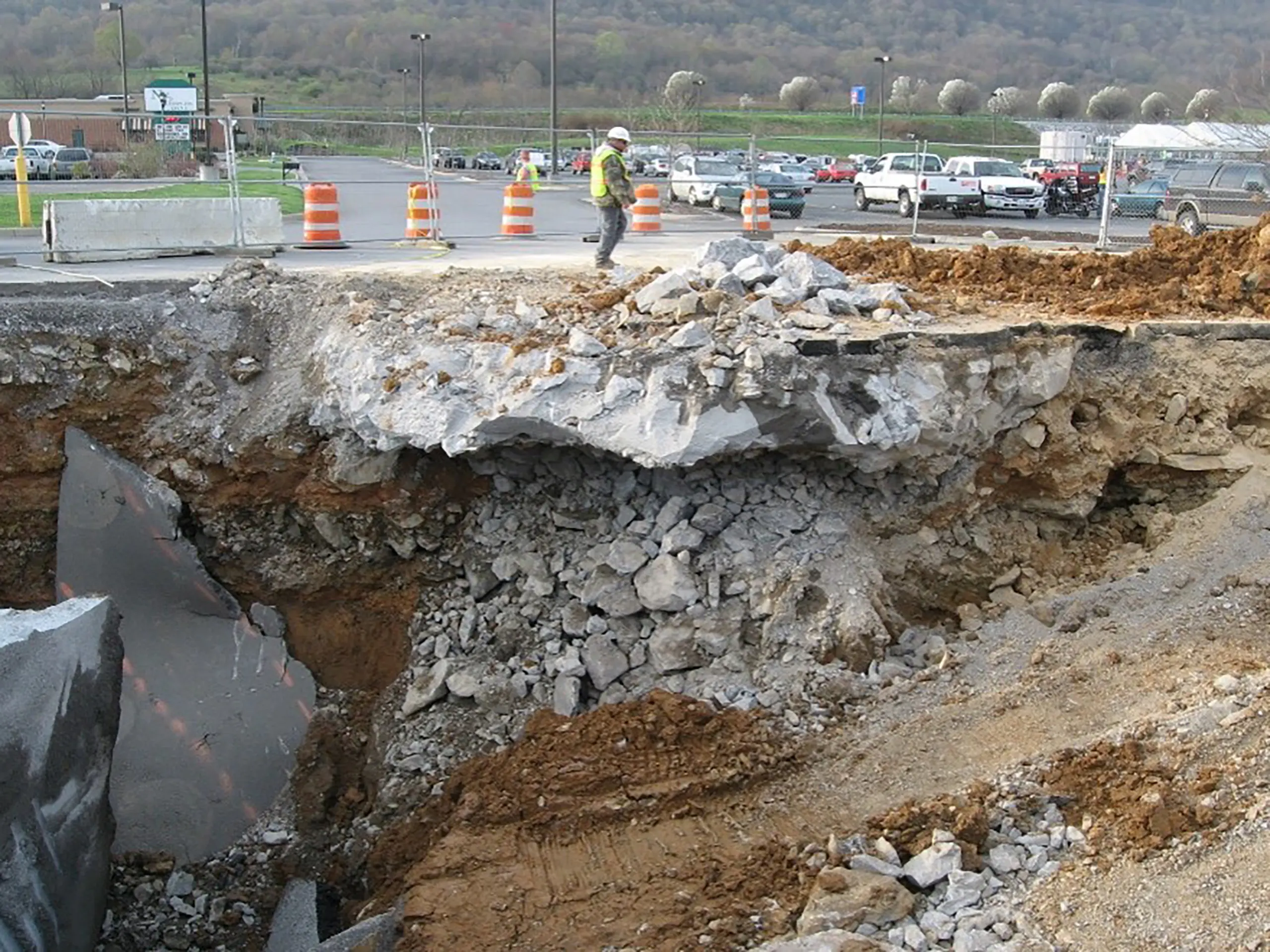
A sinkhole is a depression or hole in the ground caused by the collapse of a surface layer, often due to the dissolution of soluble bedrock such as limestone, gypsum, or salt. These geological formations can vary dramatically in size and shape, ranging from just a few feet to several acres, sometimes appearing suddenly or developing over time.
Recent Events
In 2023, several high-profile sinkholes were reported across the United States, including one in Orlando that swallowed part of a parking lot and another in Houston that opened in a residential area. The Orlando sinkhole prompted local authorities to evaluate the risks associated with further development in the area, highlighting the need for geotechnical investigations before major construction projects. According to the United States Geological Survey (USGS), areas with a lot of limestone and significant rainfall are particularly prone to sinkhole formation, putting the southeastern U.S. at higher risk.
Causes and Factors
Sinkholes often form due to both natural processes and human activities. Natural causes include heavy rainfall, which can erode underground rocks, and fluctuating groundwater levels. Human actions such as drilling, mining, construction, and even water leaks from aging pipelines can trigger sinkhole formation. Recent studies suggest that climate change could further exacerbate these risks, as increased rain and flooding create more opportunities for sinkholes to develop.
Conclusion
The significance of sinkholes cannot be understated, as they pose serious risks to urban infrastructure and public safety. It is essential for municipalities to invest in research, monitoring, and public education regarding sinkhole risks, especially in vulnerable areas. As urban development continues to expand into geologically sensitive zones, awareness and preparedness will be crucial in preventing future incidents.