Introduction
Convenience stores are an essential part of everyday life in the United States, providing quick access to groceries, snacks, and various household items. Among the growing chains, Zipps Convenience Stores has garnered attention for its rapid expansion and community-focused services. As more consumers seek convenience, the growth of Zipps reflects not only changing shopping habits but also the importance of local accessibility.
Expansion Strategies
Founded in 2005, Zipps has steadily expanded across several states, with plans to continue this trajectory in 2024. Currently, the chain operates over 100 locations, with a particular focus on urban centers where the demand for quick and accessible retail options is rising. Recent reports indicate that Zipps has seen a 15% increase in store openings compared to the previous year.
One of the key components of their expansion strategy has been building strong relationships with local suppliers, allowing Zipps to offer fresh products while contributing to the local economy. Their recent collaboration with local farms has allowed them to feature regionally sourced goods in their stores, appealing to customers’ growing preference for supporting local businesses.
Customer Experience Enhancements
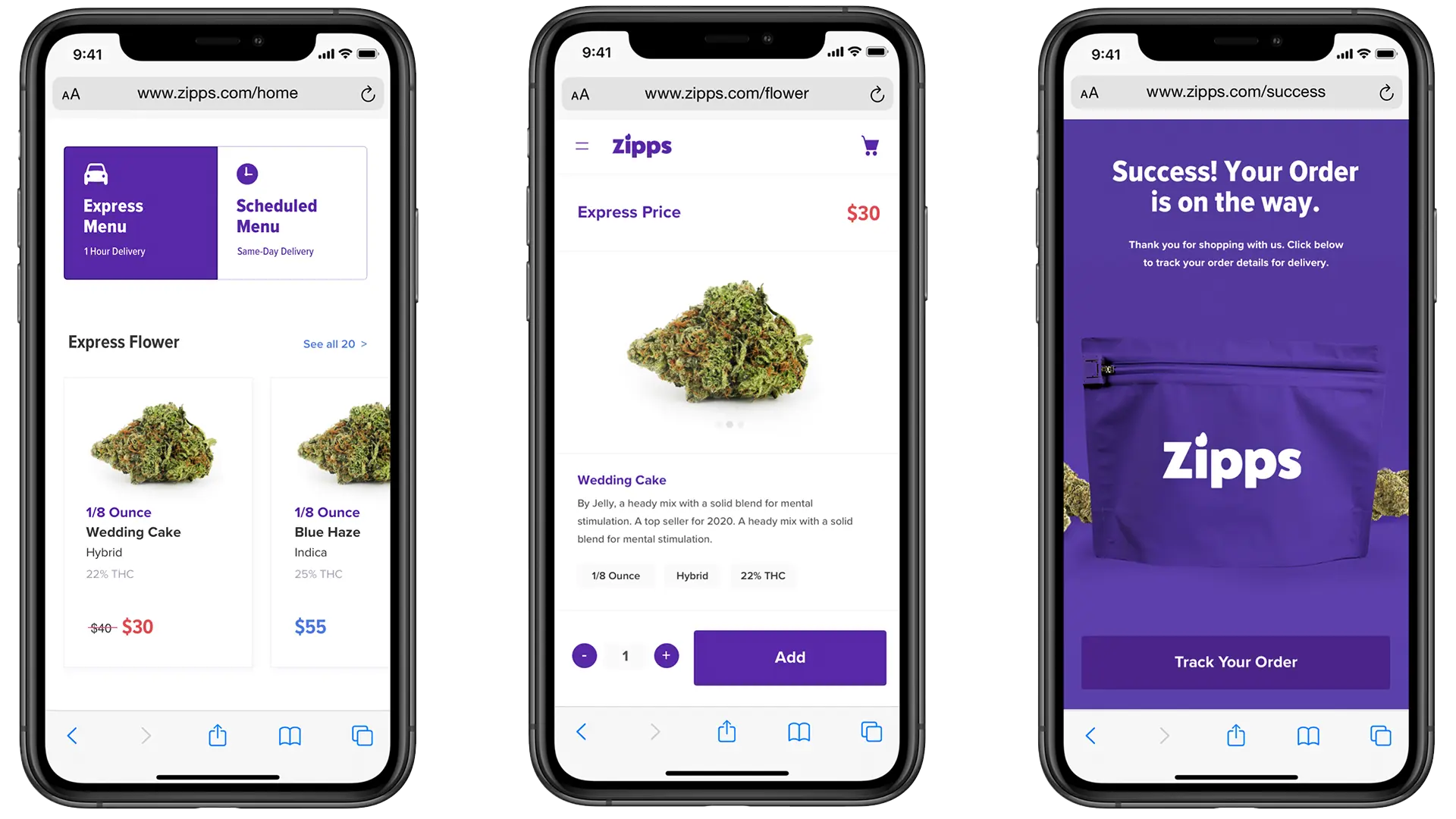
In addition to expanding their physical footprint, Zipps is investing in technology to enhance customer experience. In late 2022, they launched a mobile app that includes features such as online ordering, rewards programs, and real-time inventory tracking. The app is designed to cater to the fast-paced lifestyle of their customers, enabling them to shop in a way that fits their needs.
Moreover, Zipps has placed a strong emphasis on creating a welcoming environment within their stores. They have redesigned store layouts to be more intuitive for customers, incorporating seating areas and well-organized product displays to encourage in-store shopping.
Conclusion
The growth of Zipps Convenience Stores is indicative of a larger trend within the retail industry, where convenience and community engagement are becoming essential for success. As they continue to expand and innovate, Zipps is not only meeting the needs of consumers but also positively impacting local economies and fostering community ties. Moving forward, it will be interesting to see how Zipps navigates challenges such as competition from larger retailers and the ever-changing landscape of consumer preferences. Their continued success could serve as a blueprint for other convenience store chains looking to thrive in today’s demanding market.