Introduction
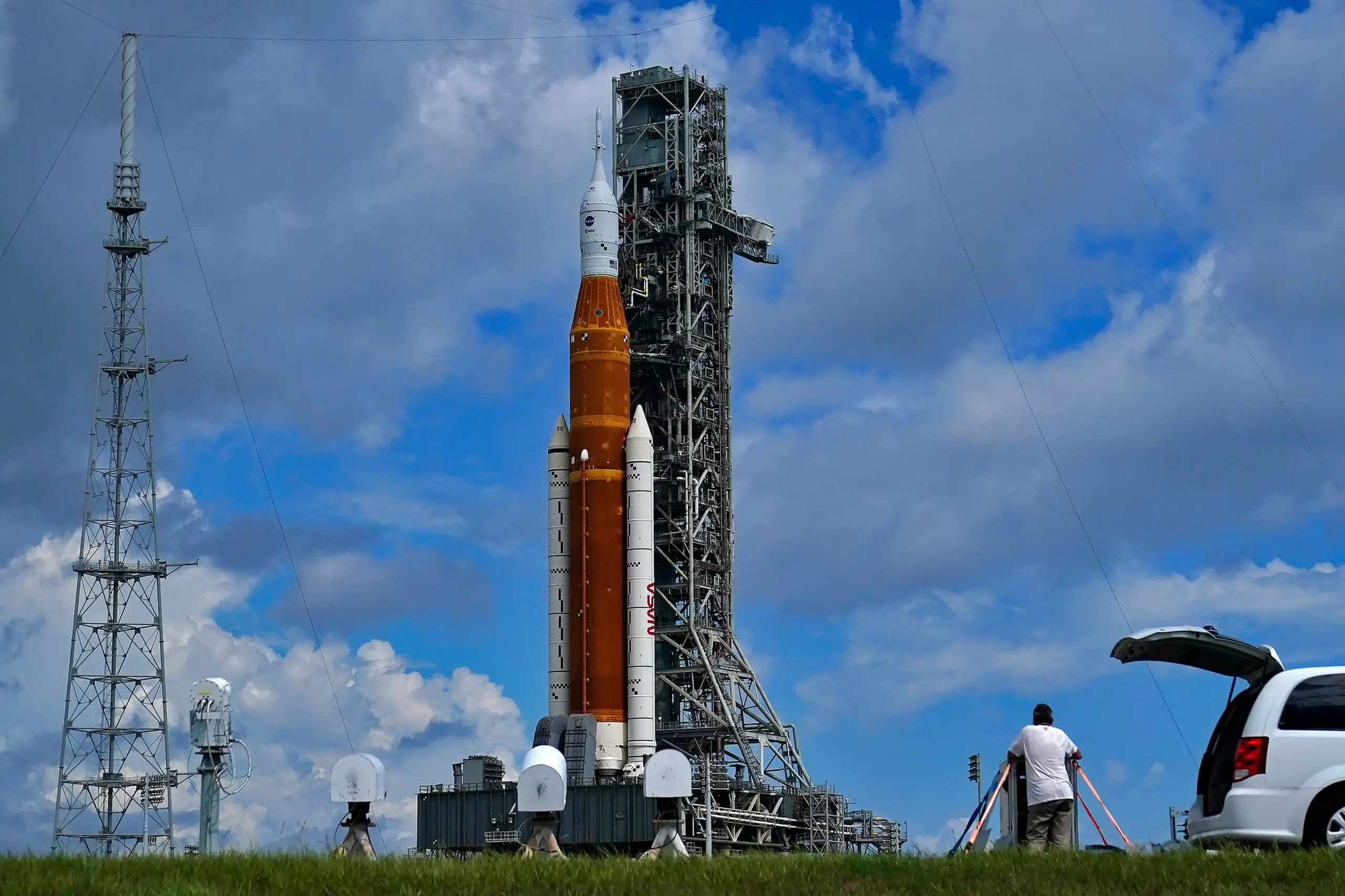
The NASA Artemis rocket launch is poised to be a pivotal moment in the realm of space exploration, heralding a new era in humanity’s quest to return to the Moon and eventually explore Mars. This ambitious endeavor aims to establish a sustainable human presence on the Moon by the 2030s and to inspire a new generation of scientists and engineers.
The Launch Details
The Artemis I mission is set to launch from the Kennedy Space Center in Florida. It will utilize the Space Launch System (SLS), the most powerful rocket ever built, to propel the Orion spacecraft on a journey around the Moon. Although the launch was initially delayed due to technical issues and weather concerns, NASA has confirmed new dates and is gearing up for a successful mission.
Expected to take place in late 2023, the Artemis I mission will last approximately 25.5 days, with Orion covering about 1.3 million miles before returning to Earth. This uncrewed flight will test the spacecraft’s systems in deep space as NASA prepares for future missions that will include astronauts.
Goals and Objectives
The primary goal of the Artemis program is to land the first woman and the next man on the lunar surface by 2025. In addition to landing astronauts, Artemis will also establish a lunar Gateway, a structure that will orbit the Moon and serve as a staging ground for missions to the lunar surface and beyond. The program aims to generate significant scientific knowledge about the Moon’s resources and environment.
Impacts on Future Exploration
The Artemis program’s influence extends beyond lunar exploration. The technologies developed and the lessons learned from this mission will be crucial for future Mars missions. By learning how to live and work on the Moon, NASA aims to prepare for the challenges that human exploration of Mars will entail.
Conclusion
The NASA Artemis rocket launch signals a new chapter in space exploration, with ambitious goals of lunar colonization and preparations for Mars. As the world watches this momentous event, it represents not only a leap for NASA but a collective stride for humanity toward interplanetary exploration. The Artemis missions are expected to provide significant advancements in technology, science, and international collaboration in space exploration, shaping the future for generations to come.