Introduction
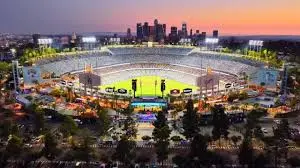
Dodger Stadium, located in Los Angeles, California, is a cherished landmark in American sports history. As the home of the Los Angeles Dodgers, it is not only the oldest Major League Baseball stadium still in use but also the largest by seating capacity. Opened in 1962, this iconic venue has seen countless legendary moments and remains a central part of Los Angeles culture, attracting millions of fans each year.
Historical Significance
Built during a period of rapid expansion for Major League Baseball, Dodger Stadium has played a critical role in the sport’s history. With a capacity of over 56,000, it was the first MLB stadium to feature a modern design that prioritized the fan experience, including spacious seating, panoramic views of the San Gabriel Mountains, and ample parking. The stadium also held the first-ever All-Star Game in 1981 and has hosted numerous postseason games, including the 2020 World Series.
In an era where many stadiums have undergone extensive renovations or have been replaced, Dodger Stadium has maintained its original charm while continuously evolving. Recent upgrades include enhanced concessions, updated amenities, and expanded viewing areas that accommodate the growing demand for a more interactive game-day experience.
Recent Events and Developments
In 2023, Dodger Stadium celebrated its 61st anniversary with various fan events, including throwback promotions and tributes to players who left a significant mark on the franchise. Additionally, the stadium is currently undergoing renovations aimed at improving the overall experience without compromising its historic value. These renovations include upgraded seating, new technology for better sound and lighting, and improvements to accessibility for all fans.
Significance for Los Angeles and Beyond
Beyond baseball, Dodger Stadium serves as a cultural beacon within Los Angeles, hosting concerts, events, and community programs. The venue has proven to be a space where diverse sports and entertainment events converge, thus enhancing its relevance in the heart of the city.
Conclusion
As the Los Angeles Dodgers continue to compete at the highest level, Dodger Stadium remains a vital part of not just baseball, but also the cultural landscape of Los Angeles. The stadium’s blend of rich history and modern innovation captures the essence of America’s favorite pastime, making it a must-visit destination for sports enthusiasts and tourists alike. As renovations and events continue to shape its future, Dodger Stadium will undoubtedly contribute to the ongoing legacy of baseball for generations to come.