Introduction
Friday the 13th movies hold a significant place in the pantheon of horror cinema. Originating from the early 1980s, this franchise has cemented itself as a cultural icon, forever linked to the fear-filled atmosphere of the summer camp slasher trope. With numerous sequels, reboots, and adaptations, the series not only showcases the enduring appeal of horror films but also the evolution of the genre itself. As we look at the impact of the Friday the 13th franchise, it becomes clear how it has shaped audience perceptions and influenced future filmmakers.
Overview of the Franchise
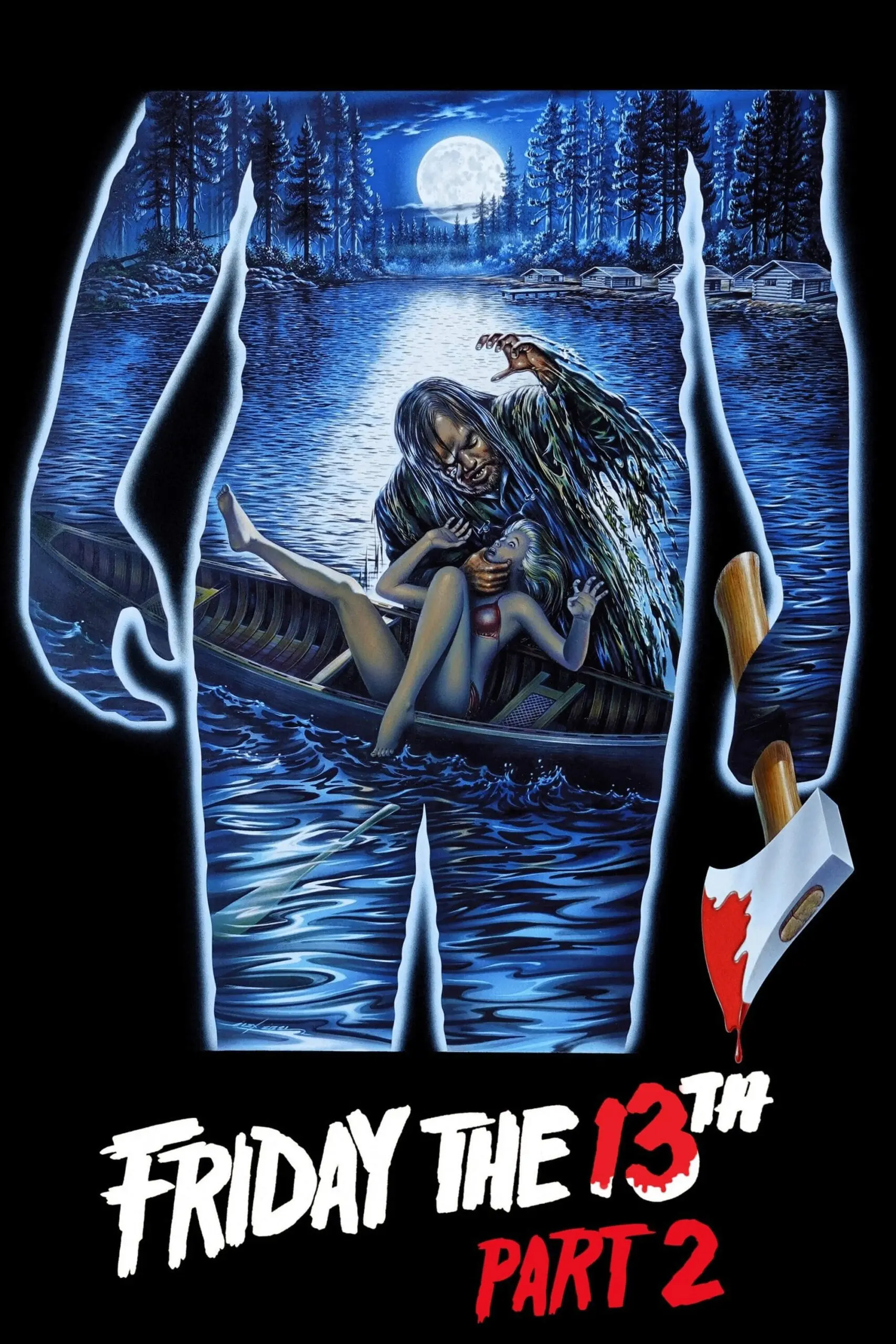
The first film, released in 1980 and directed by Sean S. Cunningham, introduced audiences to Camp Crystal Lake and the mysterious figure of Jason Voorhees. While the original killer was not Jason but instead his mother Pamela, it set the foundation for the series that followed. The film’s commercial success spawned a plethora of sequels, with Jason becoming the face of the franchise starting from the second installment in 1981.
Cultural Impact and Popularity
Over the decades, the Friday the 13th movies have not only garnered a massive fan base but have also sparked numerous discussions regarding their artistic value and societal implications. Themes of mortality, morality, and the survival of innocents have resonated with audiences. For example, ‘Friday the 13th Part VI: Jason Lives’ (1986) is often noted for its clever balance of horror and humor, showcasing an evolution in storytelling that appealed to a changing demographic.
The franchise also holds a unique place in pop culture, inspiring countless references in television shows, movies, and even video games. The iconic hockey mask worn by Jason has become a symbol of fear, recognized even outside die-hard horror circles.
Recent Developments and Future Prospects
Despite its long history, the Friday the 13th franchise has faced legal challenges over the rights to the original film, which has stalled production on new content. However, the interest remains high, with fans eagerly anticipating any news of future films or revivals. Discussions about a potential reboot and a new television series suggest that the legacy of Friday the 13th may yet continue to thrive, adapting to modern sensibilities while retaining its core horror elements.
Conclusion
The Friday the 13th movies have left an indelible mark on the horror genre, influencing generations of filmmakers and captivating audiences worldwide. As horror evolves, so too does the potential for Jason Voorhees to return in new and innovative ways. The fascination with the series is unlikely to fade, and Friday the 13th remains a significant cultural touchstone that highlights humanity’s innate fascination with fear.