Introduction
Power outages are becoming an increasingly common concern as communities face various challenges, from natural disasters to aging infrastructure. Understanding the causes of power outages and their implications on daily life is essential for both individuals and local governments. This article explores recent events highlighting the significance of power outages and discusses potential solutions that can help mitigate their impact.
Recent Events and Statistics
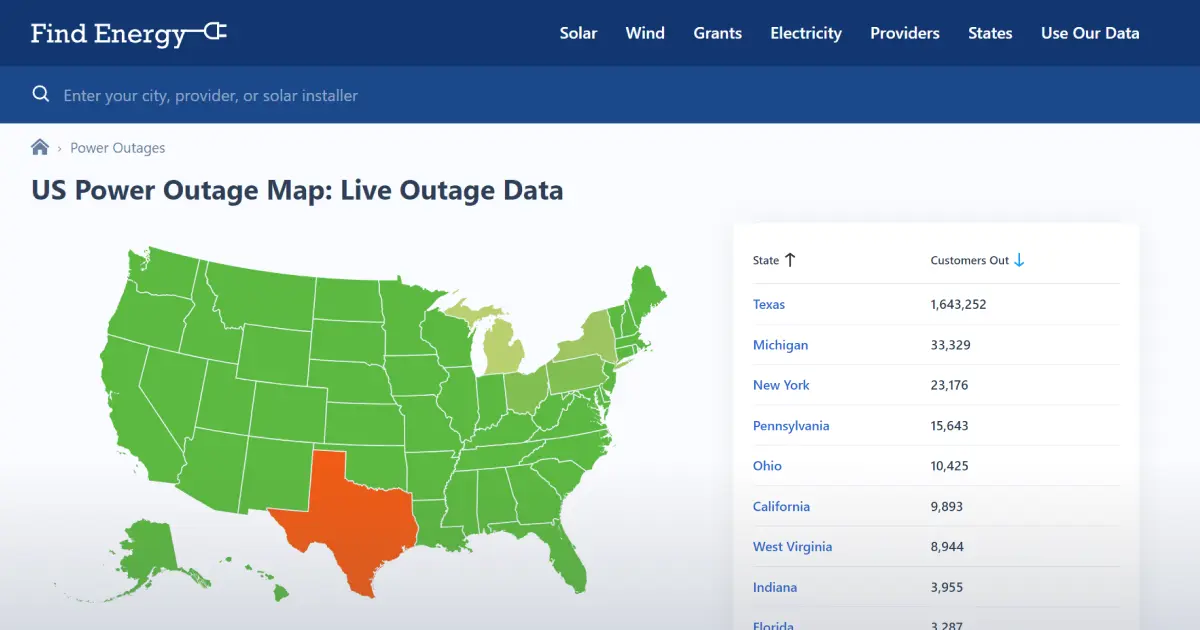
In the past few months, several states across the U.S. have experienced significant power outages due to extreme weather conditions. For instance, the summer of 2023 brought an unprecedented heatwave, resulting in record energy demands that strained electrical grids. According to the U.S. Energy Information Administration (EIA), over 1 million customers lost power in Texas alone during the July heatwave, causing disruptions in homes and businesses.
Additionally, heavy storms like Hurricane Idalia in late August left thousands without electricity, emphasizing the vulnerability of our power infrastructure. According to the National Oceanic and Atmospheric Administration (NOAA), 2023 has seen more than a 30% increase in severe weather-related power interruptions compared to the previous year.
Impact on Communities
The implications of these outages can be severe, affecting everything from healthcare services to public transportation and communication systems. Hospitals often operate on backup generators, but prolonged outages can compromise patient care and operations. In some cases, emergencies may arise, requiring immediate access to power for life-saving procedures.
Moreover, businesses face financial losses due to lost productivity and spoilage of perishable goods. Local economies can suffer long-term effects due to frequent outages, leading to a decline in consumer confidence and business investments.
Potential Solutions
To combat the adverse effects of power outages, many regions are exploring innovative solutions. Transitioning to renewable energy sources, such as solar and wind, can provide more reliable energy supply options and reduce strain on current grids. Additionally, investing in smart grid technology is becoming increasingly vital. These technologies can improve monitoring and managing power distribution, as well as provide predictive analytics to enhance preparedness against outages.
Furthermore, community awareness and preparedness programs can empower residents to develop personal emergency plans. Encouraging households to have battery backups, non-perishable food supplies, and communication strategies can improve individual resilience during outages.
Conclusion
As power outages continue to challenge communities, it is crucial to understand their causes and implications. By investing in infrastructure improvements and encouraging individual preparedness, we can work towards more resilient communities that are better equipped to handle future challenges. Collaboration among government entities, private sectors, and citizens is essential to ensure that we maintain reliable power access, safeguarding our daily lives and economic stability.