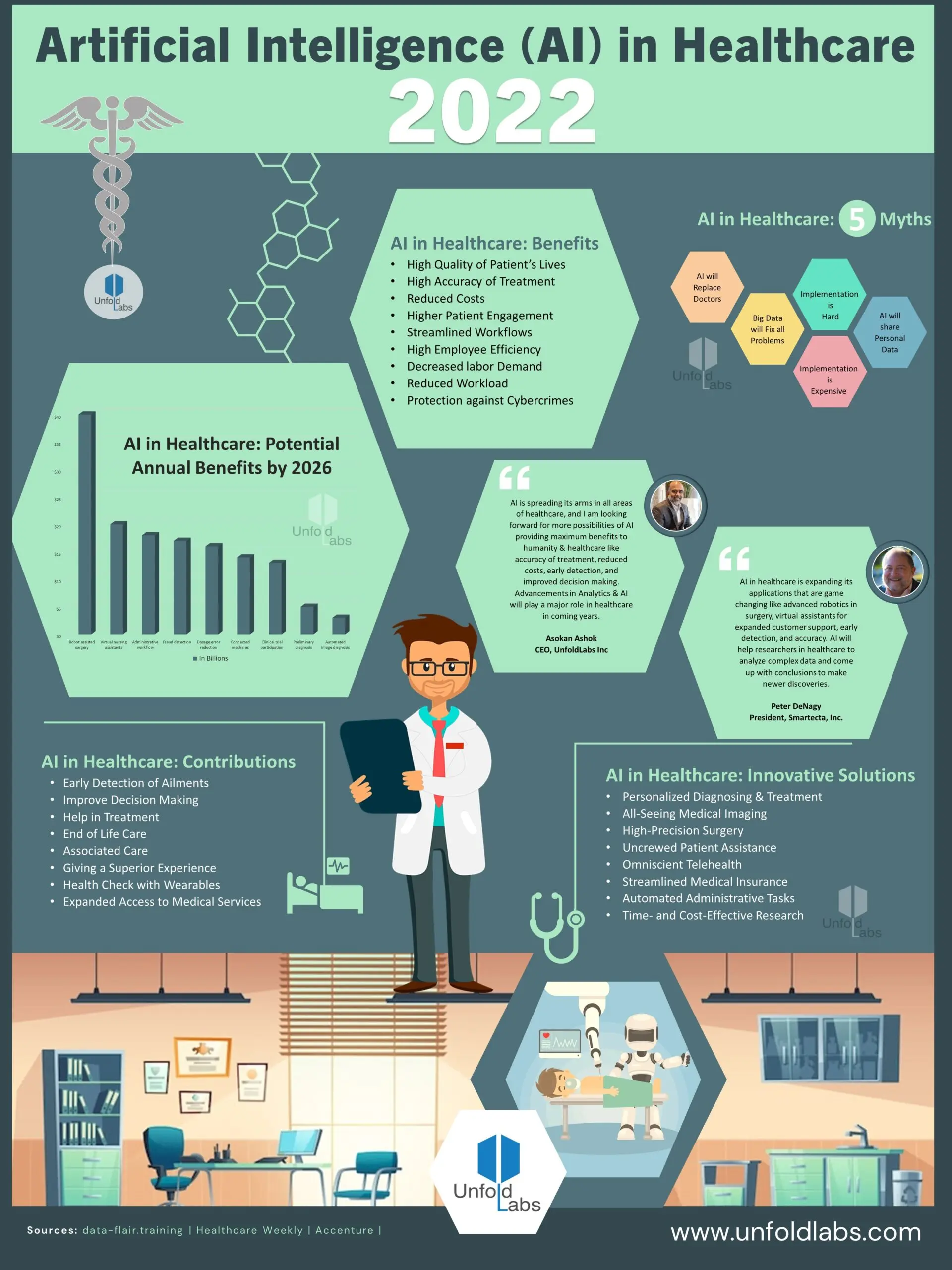
Introduction to AI in Healthcare
Artificial Intelligence (AI) is rapidly transforming the healthcare industry, offering innovative solutions to age-old challenges and enhancing the effectiveness of patient care. As healthcare providers strive to improve therapeutic outcomes and operational efficiencies, the adoption of AI technologies becomes increasingly relevant. From diagnostics to patient monitoring, AI is poised to play a critical role in reshaping the future of healthcare.
Recent Developments in AI Applications
In recent years, various AI applications in healthcare have gained traction. For instance, AI-powered diagnostic tools harness deep learning algorithms to analyze medical images, allowing physicians to detect anomalies like tumors with remarkable accuracy. A 2023 study published in the journal ‘Nature’ found that AI could outperform human radiologists in certain scenarios, significantly reducing the time required for diagnosis and improving treatment planning.
Furthermore, AI chatbots and virtual health assistants are being deployed to handle patient inquiries, triage symptoms, and even assist in booking appointments. These advancements not only enhance patient engagement but also free up valuable time for healthcare professionals, allowing them to focus more on direct patient care.
The Role of Predictive Analytics
Predictive analytics represents another promising area in AI healthcare applications. By analyzing large datasets, AI can anticipate patient outcomes, identify potential health risks, and enable proactive interventions. For instance, machine learning models are being utilized to predict the likelihood of hospital readmissions, enabling healthcare providers to tailor follow-up care and reduce unnecessary hospital visits.
Ethical Considerations and Challenges
Despite the numerous benefits, the integration of AI in healthcare brings forth ethical considerations regarding data privacy, algorithmic bias, and the need for transparency in AI decision-making. The healthcare sector must address these challenges to build trust with patients and practitioners alike. Regulatory frameworks are also developing to ensure AI systems operate within safe and ethical boundaries.
Conclusion: The Future of AI in Healthcare
The potential of AI in healthcare is vast, with current advancements only scratching the surface. As technology continues to evolve, AI’s role is expected to expand further into personalized medicine, remote patient monitoring, and even robotic surgery. For healthcare providers and patients, the implications are significant: improved healthcare quality, tailored treatments, and enhanced overall efficiency. Stakeholders must work collaboratively to ensure that these advancements are harnessed responsibly, ensuring equitable access and positive health outcomes for all.