Introduction
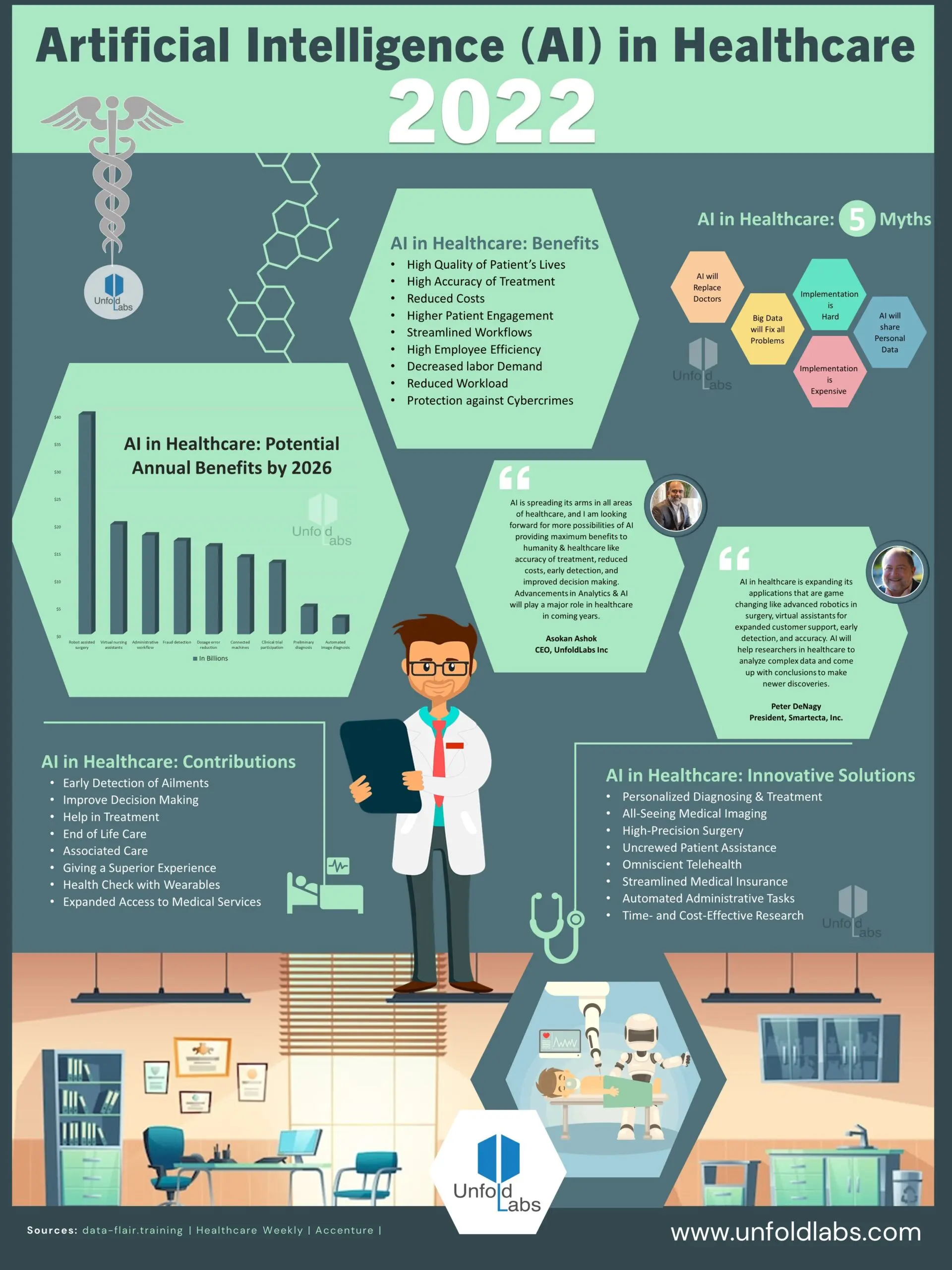
The integration of Artificial Intelligence (AI) in healthcare has emerged as a transformative force in the medical field. With its ability to analyze massive data sets and derive actionable insights, AI plays a crucial role in enhancing patient care and health outcomes. As healthcare costs escalate and demands for high-quality care increase, leveraging AI technology is becoming more essential than ever.
Recent Developments in AI Applications
In 2023, several notable AI applications have reshaped various facets of healthcare. For instance, AI-powered diagnostic tools are now used to detect diseases like cancer and diabetes at much earlier stages. According to a recent report by the World Health Organization, AI algorithms now achieve diagnostic accuracy rates comparable to human experts, significantly improving early intervention and treatment success rates.
Additionally, AI chatbots are increasingly utilized for initial patient consultations, managing routine queries, and triaging patients based on symptom analysis. This not only streamlines workflow but also reduces waiting times in clinics, allowing healthcare professionals to focus on more complex cases. Hospitals implementing AI systems have reported reductions in patient wait times by as much as 30%.
Challenges and Ethical Considerations
Despite the numerous advantages offered by AI in healthcare, there are challenges that need addressing. Data privacy and security are paramount concerns as healthcare organizations must ensure compliance with regulations like HIPAA while embracing AI technologies. Furthermore, the potential for bias in AI algorithms has raised ethical questions regarding equality in access to care. Research indicates that without strict regulations and comprehensive datasets, AI may inadvertently favor certain demographics over others.
Future Outlook
The future of AI in healthcare holds immense potential. Experts believe that by 2025, 80% of healthcare organizations will adopt AI-driven solutions. Innovations such as personalized medicine, where treatment is tailored to individual genetic profiles, are on the horizon, promising to optimize outcomes further.
Moreover, AI can facilitate groundbreaking research by accelerating drug discovery processes and enabling virtual clinical trials, thus drastically reducing the time and financial burden associated with bringing new treatments to market. AI’s capability to analyze patient data in real-time will empower clinicians to make informed decisions, enhancing the entire healthcare delivery ecosystem.
Conclusion
In conclusion, AI in healthcare is not just a trend; it is a pivotal force that is reshaping the landscape of medical services and patient care. As technology continues to evolve, it is crucial for stakeholders in healthcare to prioritize ethical standards and guidelines to mitigate challenges. The successful integration of AI promises a healthier future where patient outcomes are drastically improved, access to healthcare is equitable, and the industry operates more efficiently. Readers should stay informed about these developments as they can significantly impact their healthcare experiences.