Introduction
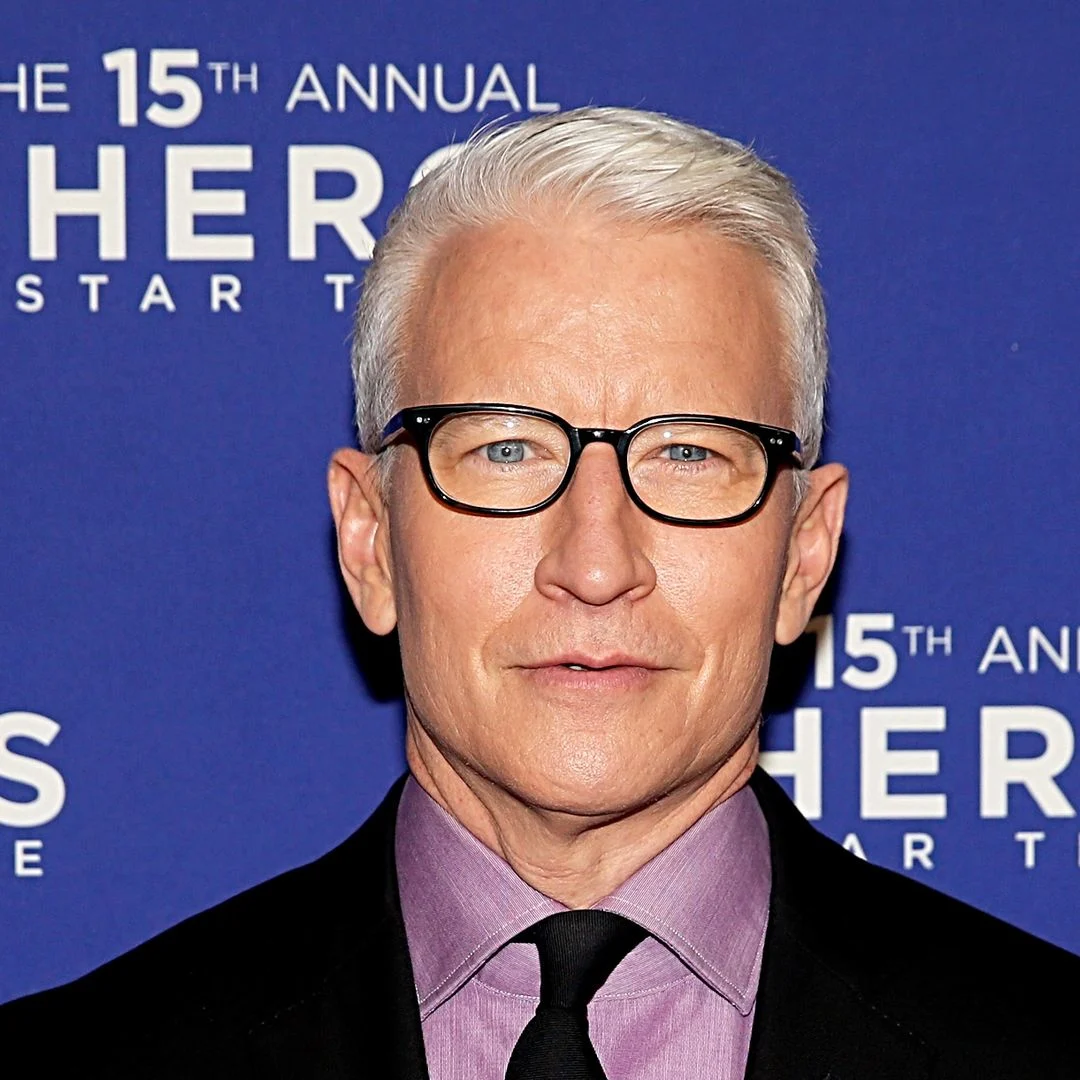
Anderson Cooper, a prominent figure in American journalism, has become synonymous with anchor integrity and investigative reporting. As a lead anchor for CNN, his role transcends traditional news broadcasting, making him a universal voice on critical issues. In a world where misinformation can spread rapidly, Cooper’s emphasis on fact-checking and accountability holds significant importance in today’s media landscape.
Career Milestones
Born on June 3, 1967, Cooper began his career in journalism at a young age, working for his mother’s company, and later, at the age of 19, he reported news from various international locations. His big break came when he joined CNN in 2001 as a correspondent; he quickly rose through the ranks to become the host of ‘Anderson Cooper 360°.’ His keen sense of storytelling and in-depth interviews have earned him numerous awards, including multiple Emmy Awards and the prestigious Edward R. Murrow Award.
Current Events and Coverage
Cooper’s reporting during significant historical events has shaped public perception, whether covering the aftermath of Hurricane Katrina or the evolving COVID-19 pandemic. In recent months, his coverage of global crises, including the war in Ukraine and the humanitarian impact of climate change, has captivated audiences. His ability to humanize complex stories makes the difficult news more relatable, showcasing the real-life impact on communities and individuals.
Legacy and Influence
Beyond his role as a journalist, Cooper has made headlines for his advocacy on LGBTQ+ issues. As one of the first openly gay anchors on national television, he has used his platform to address social justice, mental health, and family dynamics, making him a role model for many. His transparency about his own life experiences, including the loss of his mother, Gloria Vanderbilt, has resonated deeply with viewers, illustrating the importance of vulnerability and honesty in media.
Conclusion
Anderson Cooper continues to redefine what it means to be a journalist in the 21st century. His commitment to fact-based reporting, coupled with his empathy and understanding of the human condition, sets a high standard for emerging journalists. As audiences become more discerning, Cooper’s approach is likely to remain influential in shaping the future of news journalism. With his extensive experience and passion for storytelling, Anderson Cooper’s legacy will undoubtedly impact the media landscape for years to come.