Introduction
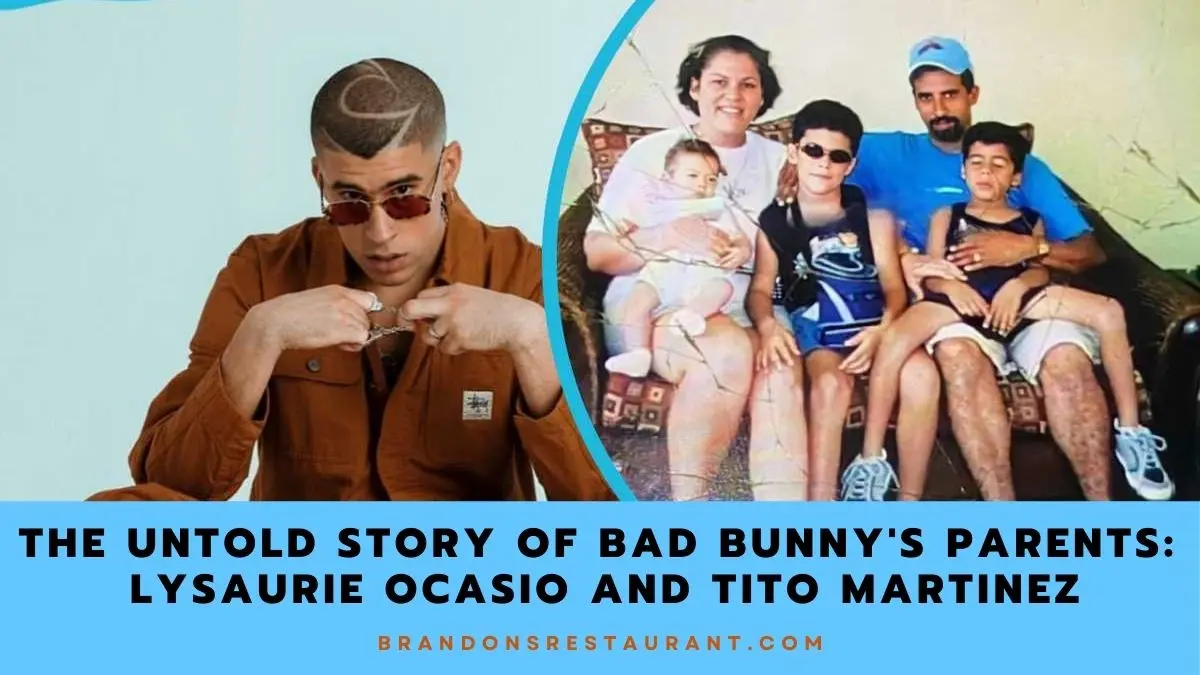
Bad Bunny, the Puerto Rican reggaeton artist who has taken the music world by storm, owes much of his success to the values instilled in him by his parents. As one of the most influential artists of his generation, understanding the dynamics of his family life helps illuminate the person behind the music. His parents, who played significant roles in shaping his character, experiences, and artistic expression, serve as a key part of his narrative.
The Role of Bad Bunny’s Parents
Born Benito Antonio Martínez Ocasio, Bad Bunny was raised in San Juan, Puerto Rico, by his mother, a schoolteacher, and his father, a truck driver. Both parents emphasized the value of hard work and education, principles that continue to resonate in Bad Bunny’s life and career. His mother, who was influential in exposing him to various music genres during his childhood, sparked his love for music.
In interviews, Bad Bunny has often credited his parents with teaching him the importance of authenticity and self-expression. They supported his passion for music from an early age, despite the social stigma often associated with pursuing a career in the arts in Puerto Rico. This foundational support has allowed Bad Bunny to remain true to himself in an industry that can often pressure artists to conform.
Cultural Influence and Legacy
The influence of Bad Bunny’s parents extends beyond personal values; they reflect the broader cultural narratives present in Puerto Rico. Bad Bunny often addresses social issues through his music, such as identity and resilience, themes that resonate with his upbringing and the experiences shared with his parents. His parents’ stories—working hard to provide for their family while navigating challenges—mirror the struggles and successes of many Puerto Ricans, offering listeners a sense of familiarity and connection.
Conclusion
As Bad Bunny continues to break records and redefine the reggaeton genre, the influence of his parents remains an integral part of his story. Their support and teachings are evident in his music, which often explores themes of identity, culture, and personal growth. As fans and listeners, understanding the foundational role his parents have played in his life not only enhances our appreciation for his music but also sheds light on the power of family and cultural heritage. Moving forward, Bad Bunny’s narrative serves as a reminder of the importance of nurturing and supportive family environments in the pursuit of one’s dreams.