Introduction
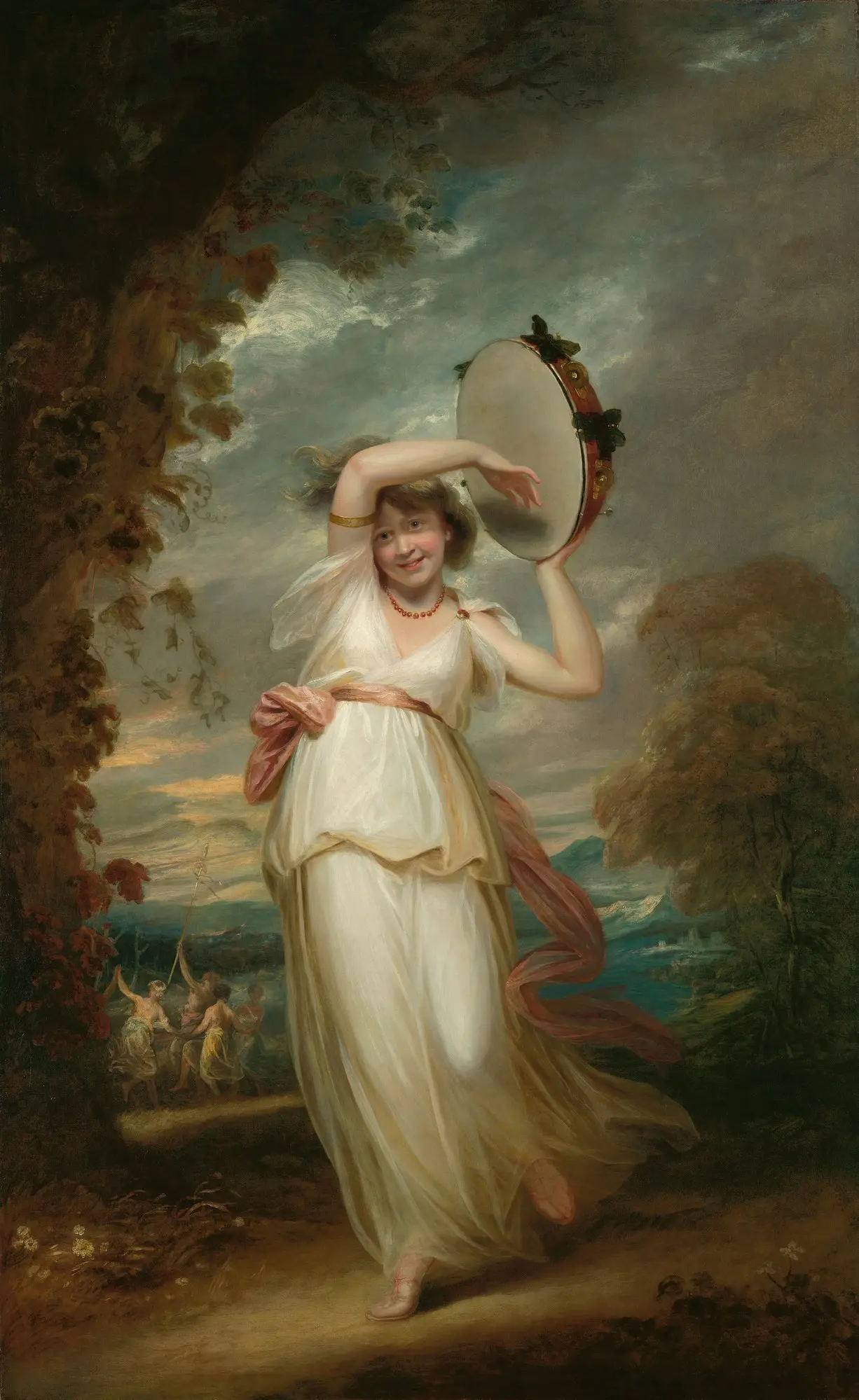
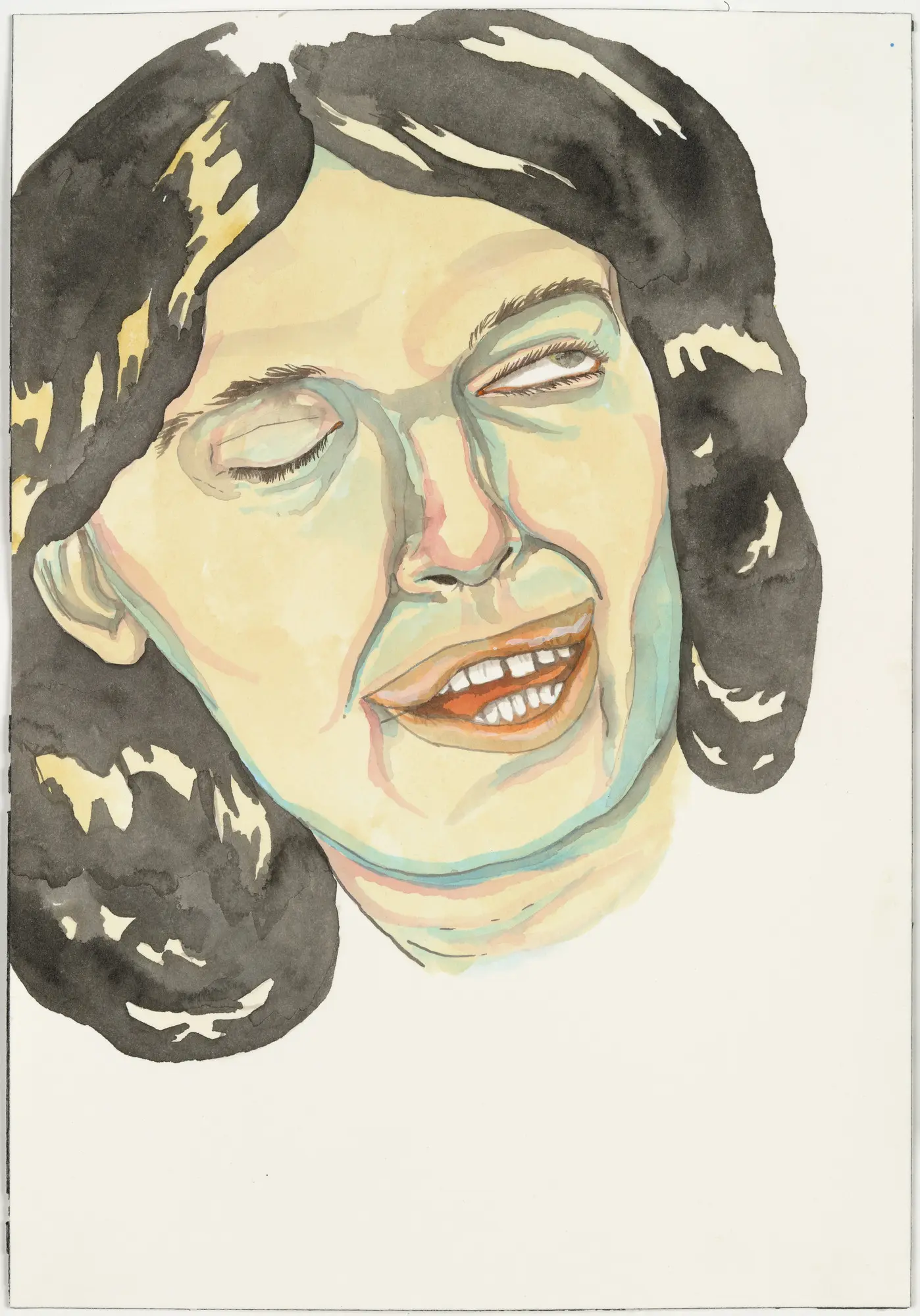
Christian Anderson is gaining recognition as a prominent figure in the contemporary art scene, characterized by his unique blend of traditional techniques and modern themes. His work not only challenges established norms but also resonates with a diverse audience, reflecting the complexities of contemporary society. Understanding Anderson’s contribution is crucial for appreciating the evolving landscape of modern art.
Background of Christian Anderson
Born in 1985, in a small town, Anderson showed an early interest in artistic expression. He pursued a formal education in Fine Arts, graduating from a prestigious art school. Initially influenced by classic painters like Van Gogh and Picasso, he gradually developed a distinctive style that combines elements of abstraction with social commentary. Anderson’s background informs much of his work, as it reflects a journey toward understanding identity and belonging.
Recent Works and Exhibitions
Anderson’s recent exhibition, “Refractions of Reality,” held at the City Art Gallery, features a series of paintings exploring themes of perception and truth. These works have been described as vibrant and thought-provoking, prompting viewers to question their own realities. In addition, Anderson’s use of mixed media—incorporating digital elements alongside traditional paint—demonstrates his commitment to innovation in art.
Reception and Impact
Critics and art enthusiasts alike have lauded Anderson’s work for its emotional depth and technical proficiency. His ability to convey complex ideas through visual art has garnered attention in various art forums and publications. Anderson has also been involved in community outreach, teaching workshops aimed at inspiring the next generation of artists. He believes in the transformative power of art, advocating for its accessibility to all individuals.
Conclusion
As Christian Anderson continues to navigate the art world, his influence is expected to grow. With a dedication to challenging perceptions and engaging with social issues through his art, he represents a new wave of artists who prioritize meaningful dialogue. For art enthusiasts and budding artists, Anderson’s journey serves as both inspiration and a call to action, encouraging them to explore and express their unique perspectives creatively. The future of his artistic career promises to be filled with further contributions that will undoubtedly enrich the contemporary art landscape.