Introduction
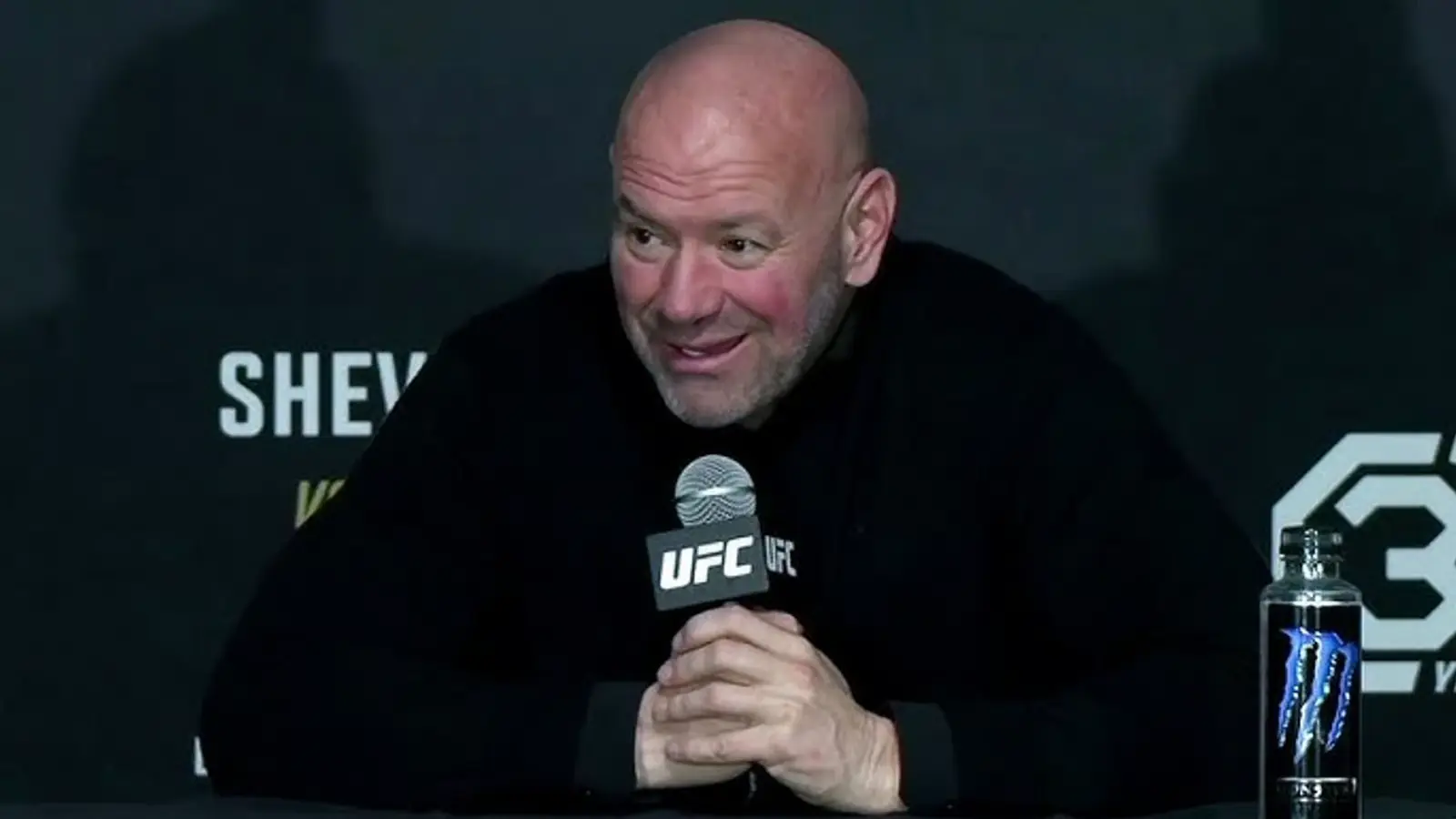
Dana White has played a pivotal role in shaping the landscape of mixed martial arts (MMA) through his leadership as the President of the Ultimate Fighting Championship (UFC). Since taking the helm in 2001, White has transformed the sport from a niche competition into a global phenomenon, drawing millions of fans and transforming fighters into international celebrities. Understanding his contributions and the current events surrounding his career is crucial for fans and analysts alike, as the UFC continues to evolve.
White’s Journey to the Top
Dana White was born on July 28, 1969, in Manchester, Connecticut. He began his career in the sports industry by promoting boxing events in the early 1990s. In 2001, he was approached to help manage the fledgling UFC, which was struggling financially and lacking mainstream appeal. Under White’s leadership, the organization implemented strict regulations and introduced weight classes, which contributed to a more structured and popular format.
The UFC’s Evolution
White’s business acumen was evident as he transformed the UFC into a multi-billion-dollar entity. Significant milestones during his tenure include the introduction of The Ultimate Fighter television series in 2005, which helped bring the sport to a wider audience. The sale of the UFC in 2016 for approximately $4 billion to Endeavor, a global entertainment, sports, and content company, marked a significant achievement in White’s career and demonstrated the lucrative nature of the sport.
Recent Developments
In recent months, White has continued to innovate within the organization, launching UFC Fight Pass, a streaming service for MMA fans, which further enhances viewer engagement. Additionally, his outspoken personality and willingness to participate in social media discussions have made him an influential figure, generating buzz around upcoming fights and events. However, White has also faced controversies, including recent discussions regarding fighter pay and health safety protocols, which have elicited mixed reactions from fans and fighters alike.
Conclusion
As Dana White continues to lead the UFC, the organization’s growth and the sport of MMA remain intertwined with his vision and strategies. His influence in promoting fighters and elevating the sport ensures that mixed martial arts will be a significant player in the global sports arena. With the emergence of rising stars and international talent, the future of the UFC promises to be as dynamic as its President. Observers and fans alike will be keenly watching to see how White navigates the evolving landscape of sports entertainment.