Introduction
Inclement weather refers to severe or harsh conditions that can significantly affect daily activities, travel, and safety. This topic has gained prominence as unpredictable weather patterns are becoming more common due to climate change. Understanding inclement weather and its implications is crucial for public safety, emergency preparedness, and community resilience.
Types of Inclement Weather
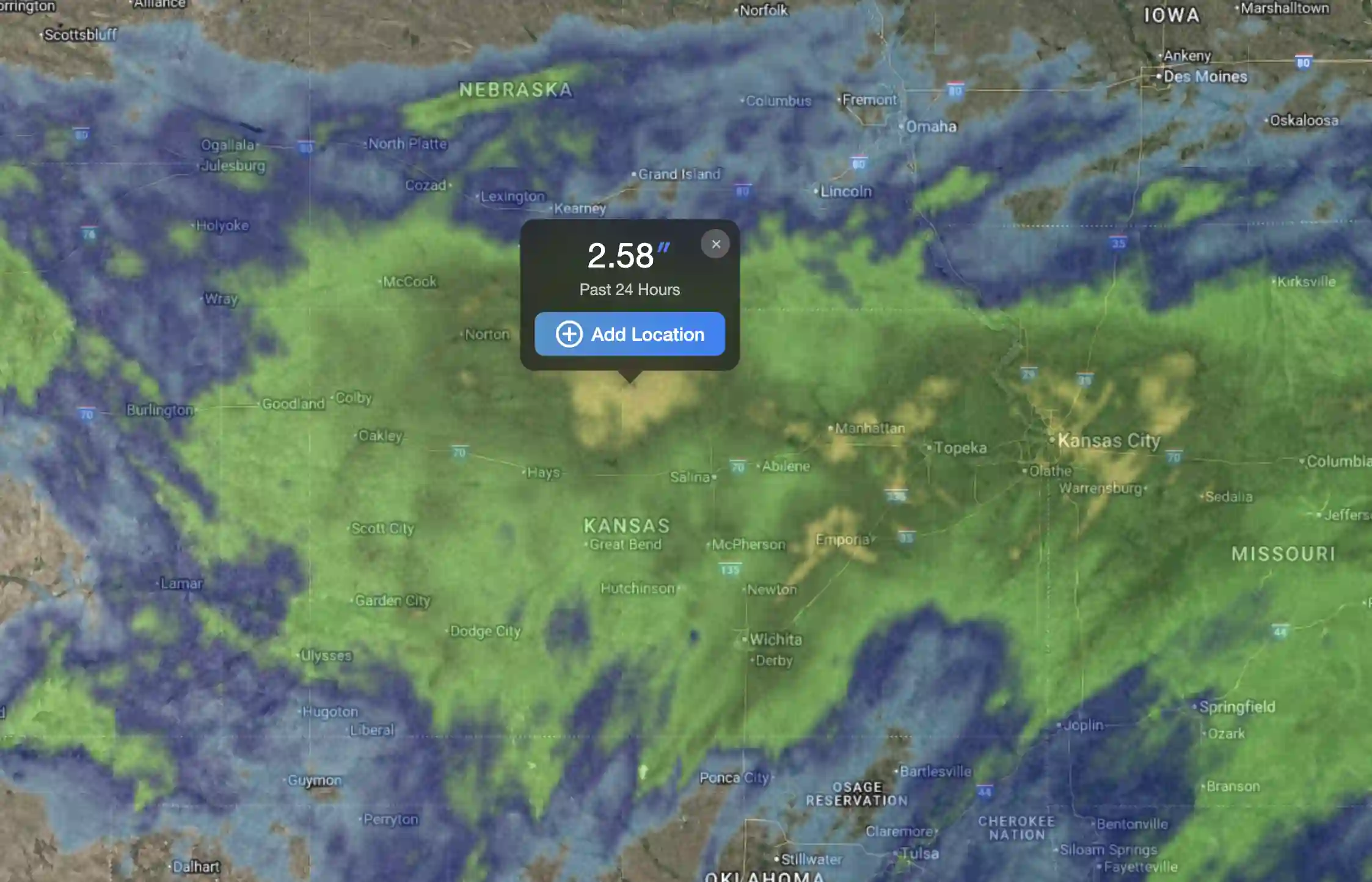
Inclement weather can encompass a variety of conditions, including heavy rain, snowstorms, hurricanes, tornadoes, and extreme heat or cold. Each type presents unique challenges. For example, heavy snowfall can disrupt transportation systems, causing delays and cancellations, while hurricanes can lead to evacuations and property damage.
Recent events highlight this issue. In late September 2023, Hurricane Ian struck the southeastern United States, bringing with it heavy rains and strong winds that resulted in extensive flooding and power outages across Florida. Reports indicated that over 1 million residents were without power at the height of the storm, emphasizing the need for robust emergency response plans.
Effects on Daily Life
Inclement weather can have widespread effects on daily life, disrupting school schedules, commercial operations, and transportation services. Schools often close in the wake of snowstorms or severe thunderstorms to ensure student safety. Businesses may also shut down or modify hours during extreme weather conditions. For instance, a report from December 2022 indicated that winter storms were responsible for over 200 flight cancellations at major airports across the Northeast, demonstrating the ripple effect on the travel sector.
Additionally, extreme weather events can lead to increased health risks. For example, heat waves present risks of heat exhaustion and dehydration, particularly among vulnerable populations such as the elderly. The Centers for Disease Control and Prevention (CDC) reported a rise in heat-related illnesses during the summer of 2023, coinciding with several record-breaking temperatures across the country.
Preparedness and Safety Measures
As inclement weather patterns escalate, public preparedness becomes paramount. Authorities encourage residents to stay informed through weather alerts and to have emergency plans in place, including supplies for potential power outages. In areas prone to hurricanes, having evacuation routes identified can prove crucial during peak seasons.
Conclusion
Inclement weather will continue to pose significant challenges in the coming years due to climate change and increasing global temperatures. Awareness, preparedness, and community planning are essential components for mitigating the impacts of severe weather. By staying informed and proactive, individuals and communities can better navigate the potential disruptions caused by inclement weather.