Introduction
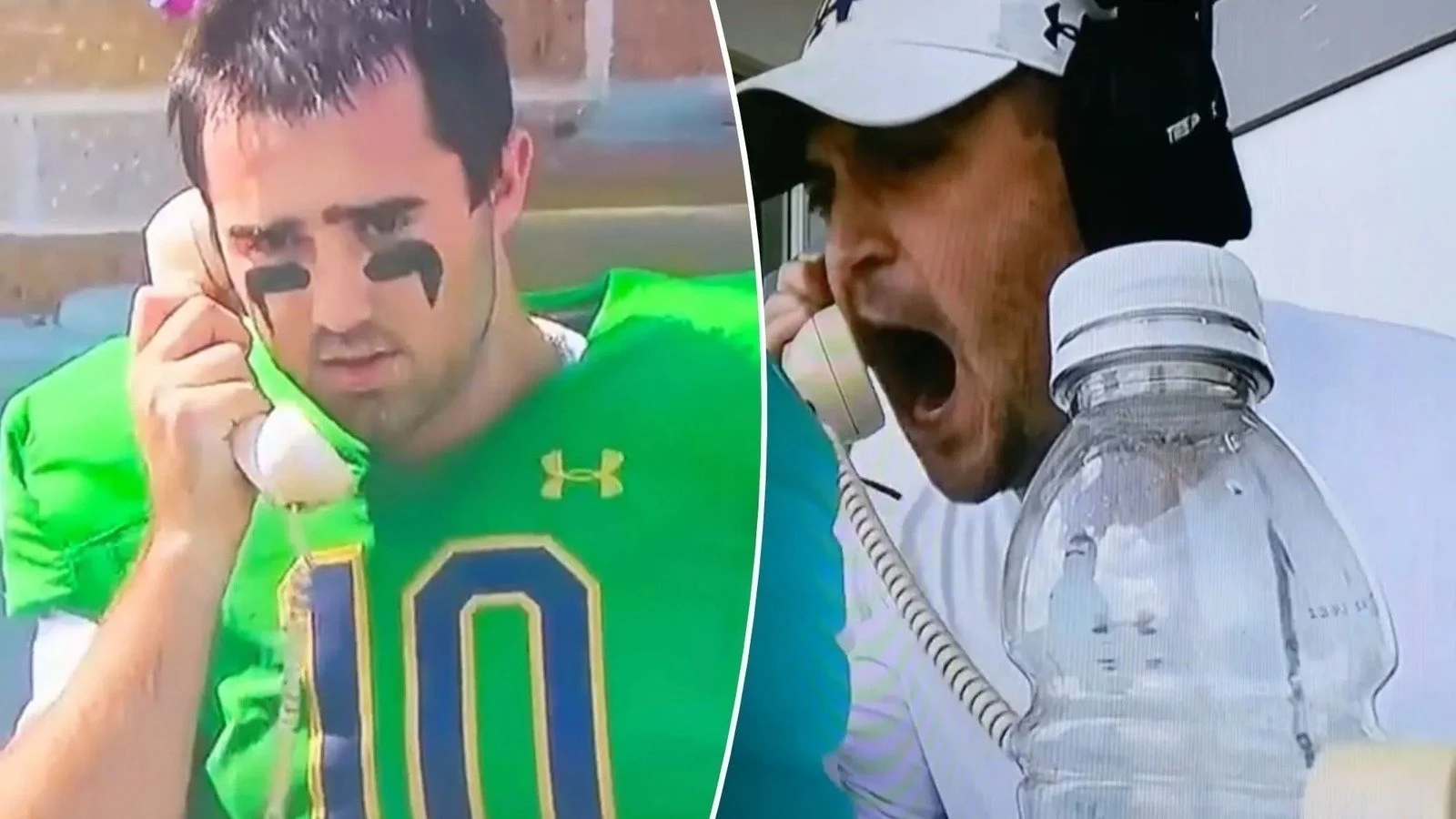
Tommy Rees, former quarterback for the University of Notre Dame, is quickly emerging as a significant figure in college football coaching. His vision and approach to the game have not only garnered attention but have sparked discussions about the future of offensive strategies in college athletics.
Background and Career Progression
After a successful playing career at Notre Dame from 2010 to 2013, Rees transitioned into coaching. He started as a graduate assistant at the University of Notre Dame and was later promoted to quarterbacks coach. His coaching style has been influenced by his experiences as a player, where he learned the nuances of offensive play in high-pressure situations.
Current Role and Achievements
In 2023, Rees took on the role of offensive coordinator at the University of Alabama, one of the premier programs in the nation. This position was a significant step in his career, following a stint as Notre Dame’s offensive coordinator, where he improved the team’s offensive rank significantly. He is praised for his ability to develop quarterbacks, optimize offensive plays, and adapt strategies to effectively counter rival defenses.
His innovative offensive schemes caught the attention of many, leading to discussions about whether he could be the next big thing in college football coaching. Furthermore, Rees’s relationship with players highlights his commitment to creating a positive locker room atmosphere, leading to improved team chemistry and performance on the field.
Recent Developments
Alabama’s 2023 season is being closely watched, with Rees’s offensive strategies coming into play. As of mid-October, the team has maintained a strong performance, with recent victories showcasing both creativity and tactical execution in their gameplay. Analysts have noted that Rees’s offensive formations have become a topic of interest during broadcasting, emphasizing his growing reputation in the football community.
Conclusion
Tommy Rees stands at the forefront of a new wave of college football coaches, combining traditional coaching with modern strategies. His influence is significant, particularly at Alabama, where he has a chance to leave a lasting legacy. As fans and analysts continue to monitor his progress, it is clear that Rees is a name to watch in the coming years. The evolving landscape of college football may soon reflect his innovations and philosophies, ultimately shaping the future of the sport.