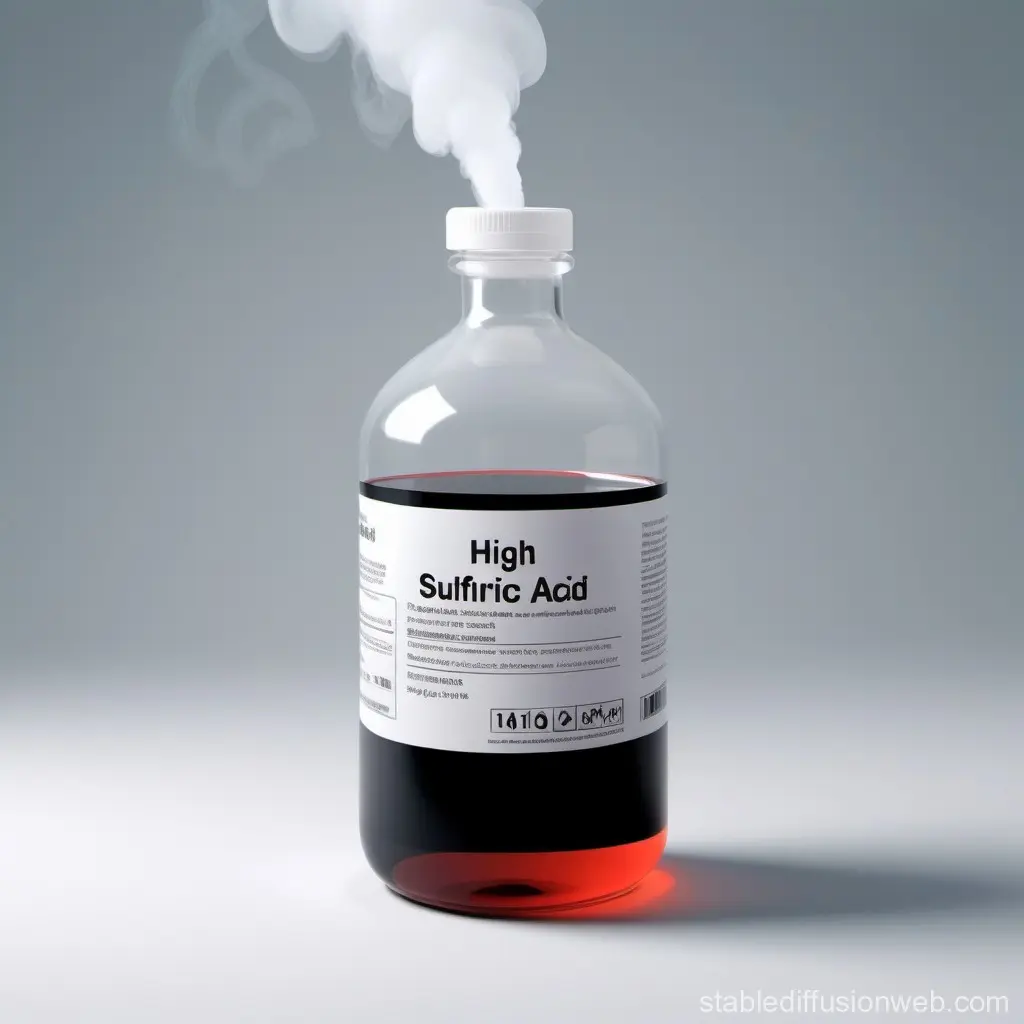
Introduction to Sulfuric Acid
Sulfuric acid is one of the most vital industrial chemicals in the world. Known for its highly corrosive nature and versatility, it is indispensable in various sectors including manufacturing, batteries, and fertilizers. Understanding sulfuric acid’s properties and applications is crucial for both industrial professionals and consumers, especially in the context of current environmental regulations and safety protocols.
What is Sulfuric Acid?
Sulfuric acid (H2SO4) is a strong mineral acid composed of sulfur, oxygen, and hydrogen. It is a colorless, odorless liquid that is hygroscopic and can release heat upon contact with water. Its reactive nature makes it an essential substance in many chemical processes.
Industries and Applications
Manufacturing and Production
Sulfuric acid is widely used in the production of phosphoric acid, which is a key ingredient in fertilizers. The global demand for agricultural products has continued to grow, leading to an increased demand for sulfuric acid in fertilizer production. Furthermore, the chemical is used in manufacturing detergents and fibers, underscoring its role in everyday consumer products.
Battery Production
Another critical application of sulfuric acid is in lead-acid batteries, which are commonly found in automobiles and various uninterruptible power supplies (UPS). This has implications on the electronics industry as these batteries are essential for powering vehicles and various electronic devices.
Environmental Considerations
While sulfuric acid is vital in many sectors, its use raises environmental and safety concerns. Improper handling can lead to severe health risks and environmental damage. Regulatory agencies are emphasizing the need for appropriate safety measures and waste management practices to mitigate potential hazards associated with its production and use.
Current Trends and Future Outlook
The increasing adoption of green chemistry and sustainability initiatives have prompted industries to explore alternative methods of production and less hazardous chemicals. However, the demand for sulfuric acid is not expected to diminish due to its irreplaceable role in crucial processes. Innovations aimed at reducing environmental impacts while utilizing sulfuric acid effectively are on the rise.
Conclusion
In conclusion, sulfuric acid continues to be a cornerstone in various industries due to its vast applications. Understanding its characteristics and managing its risks are imperative for the future of those who rely on it. As industries evolve, so too will the practices surrounding sulfuric acid, making it an important subject for ongoing dialogue among professionals and policy-makers alike.