Introduction
The 25th Amendment to the United States Constitution was ratified in 1967 and it addresses presidential succession and disability. This amendment is particularly relevant in today’s political climate as discussions around presidential fitness and the transition of power gain renewed interest. With ongoing debates concerning mental health and leadership capabilities, understanding the 25th Amendment is essential for citizens and lawmakers alike.
Key Components of the 25th Amendment
The amendment consists of four sections. The first clarifies the process for presidential succession — if the president dies, resigns, or is removed from office, the vice president assumes the role. The second section outlines how a vacancy in the vice presidency is to be filled by presidential nomination and congressional approval. The third section permits a president to voluntarily transfer power to the vice president when incapacitated, while the fourth section empowers the vice president and a majority of the cabinet to declare the president unfit to govern, erasing any doubts regarding their ability to uphold office.
Recent Events and Applicability
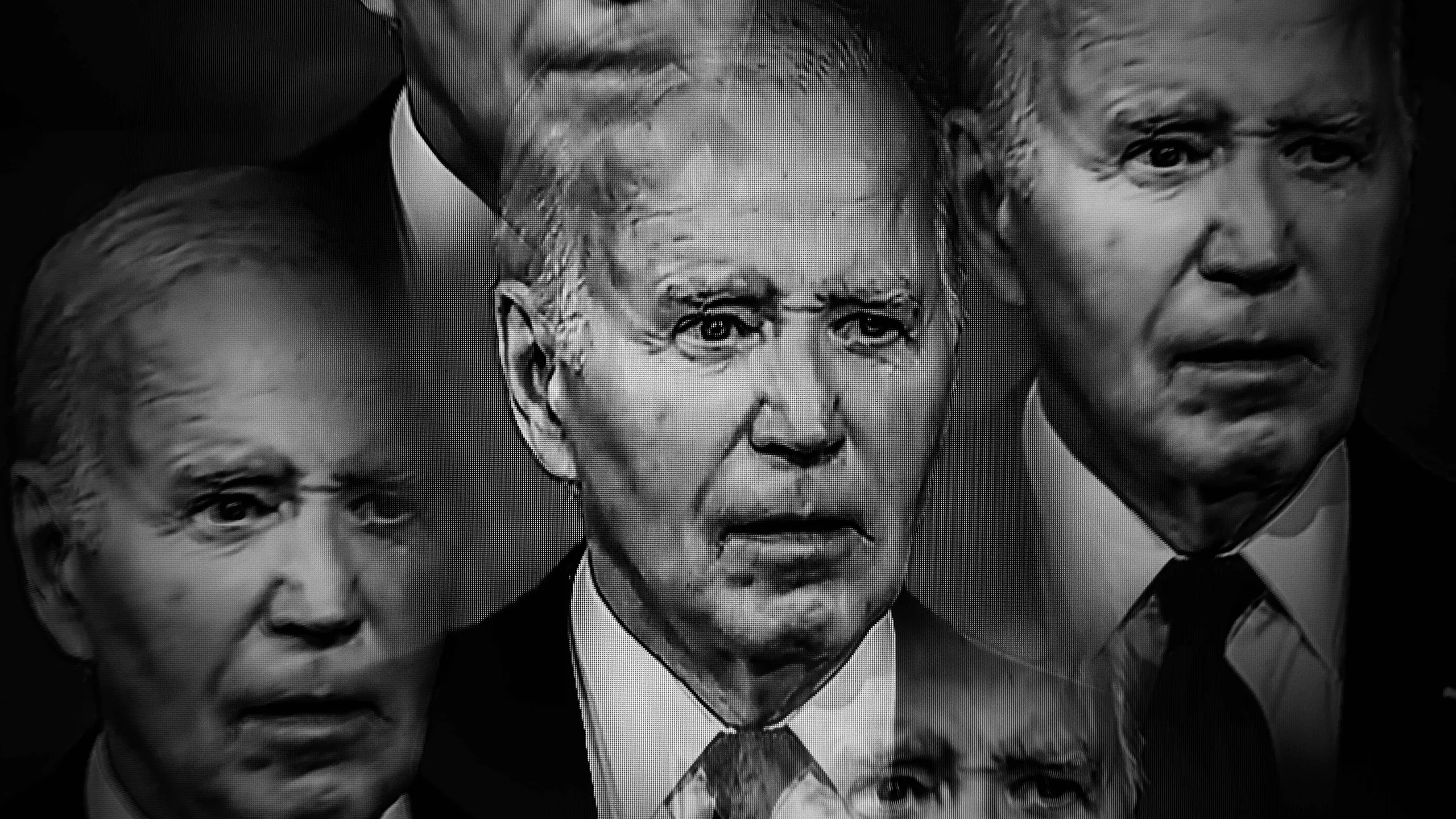
Recent political events, including discussions surrounding President Biden’s age and his capabilities to serve, have brought the 25th Amendment into focus. Calls for transparency regarding a president’s mental and physical health have surfaced in political discourse, highlighting legislative and public interest in the amendment. Notably, the amendment was referenced during the Trump administration, especially after the Capitol riots, as lawmakers debated whether it was appropriate to invoke it, although it was ultimately not used.
Conclusion
As the landscape of American politics continues to evolve, the relevance of the 25th Amendment remains significant. With presidential health and leadership competency at the forefront of public opinion, an informed understanding of this constitutional provision is vital. The prospect of its use in the future raises important discussions about governance, accountability, and the integrity of the office of the presidency. For citizens, understanding the operation and implications of the 25th Amendment fosters a more informed electorate, ensuring that democracy continues to function effectively.