Introduction to Codex
In the ever-evolving realm of digital technology, the term ‘Codex’ has emerged as a critical concept that encompasses various applications across software development, artificial intelligence, and data management. Its relevance cannot be overstated, as Codex represents a fusion of historical knowledge and futuristic capabilities, profoundly affecting how developers and businesses operate in the digital age.
What is Codex?
Codex refers to a set of documentation or guidelines that are compiled for a specific purpose in technology. It can denote software APIs, frameworks, programming languages, or comprehensive reference materials that enable developers to build applications efficiently. With the rise of machine learning, Codex also points to new generative models capable of interpreting and generating human-like code snippets, significantly impacting programming methodologies.
Recent Developments in Codex
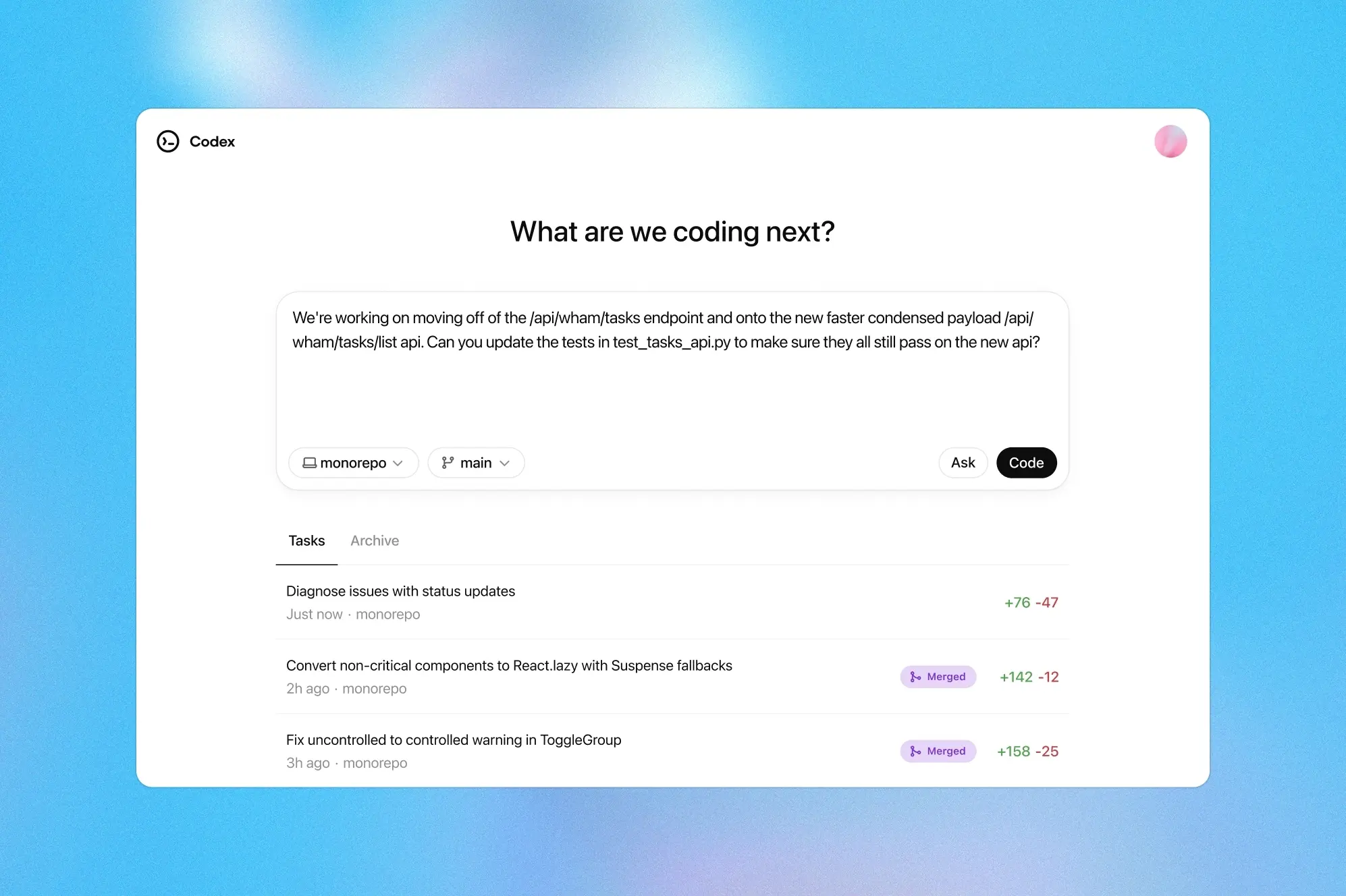
Among the most notable advancements in Codex was the introduction of OpenAI’s Codex in 2021, an AI model designed to understand and generate code in multiple programming languages. This innovation quickly gained traction, revolutionizing how coders approach problem-solving. By leveraging natural language processing, Codex allows developers to describe what they want in plain language, which the model then converts into functional code. This has streamlined the software development process and made programming more accessible to non-experts.
In addition, the integration of Codex into popular development environments has led to increased productivity and creativity. For instance, GitHub Copilot uses Codex to provide real-time coding suggestions, reducing the time developers spend on repetitive tasks. This paradigm shift has sparked discussions on the future role of human programmers as AI tools become more capable.
Challenges and Concerns
Despite its potential, the rise of Codex and similar AI models raises essential questions regarding intellectual property, ethical usage, and dependency. As AI-generated code becomes more prevalent, the lines between human-created and machine-generated content blur, leading to potential issues related to copyright and authorship. Additionally, there are concerns about over-reliance on AI tools, which may hinder the development of critical thinking and problem-solving skills among emerging developers.
Conclusion: The Future of Codex in Technology
The implications of Codex in the technological landscape are profound and multifaceted. As businesses and developers continue to explore its capabilities, it is crucial to address the ethical and practical challenges posed by AI integration in programming. Looking ahead, the evolution of Codex will likely shape the future of software development, making it imperative for developers and organizations to adapt to these changes. Ultimately, Codex has the potential to democratize programming skills, empowering a broader range of individuals to participate in the digital economy.