Introduction
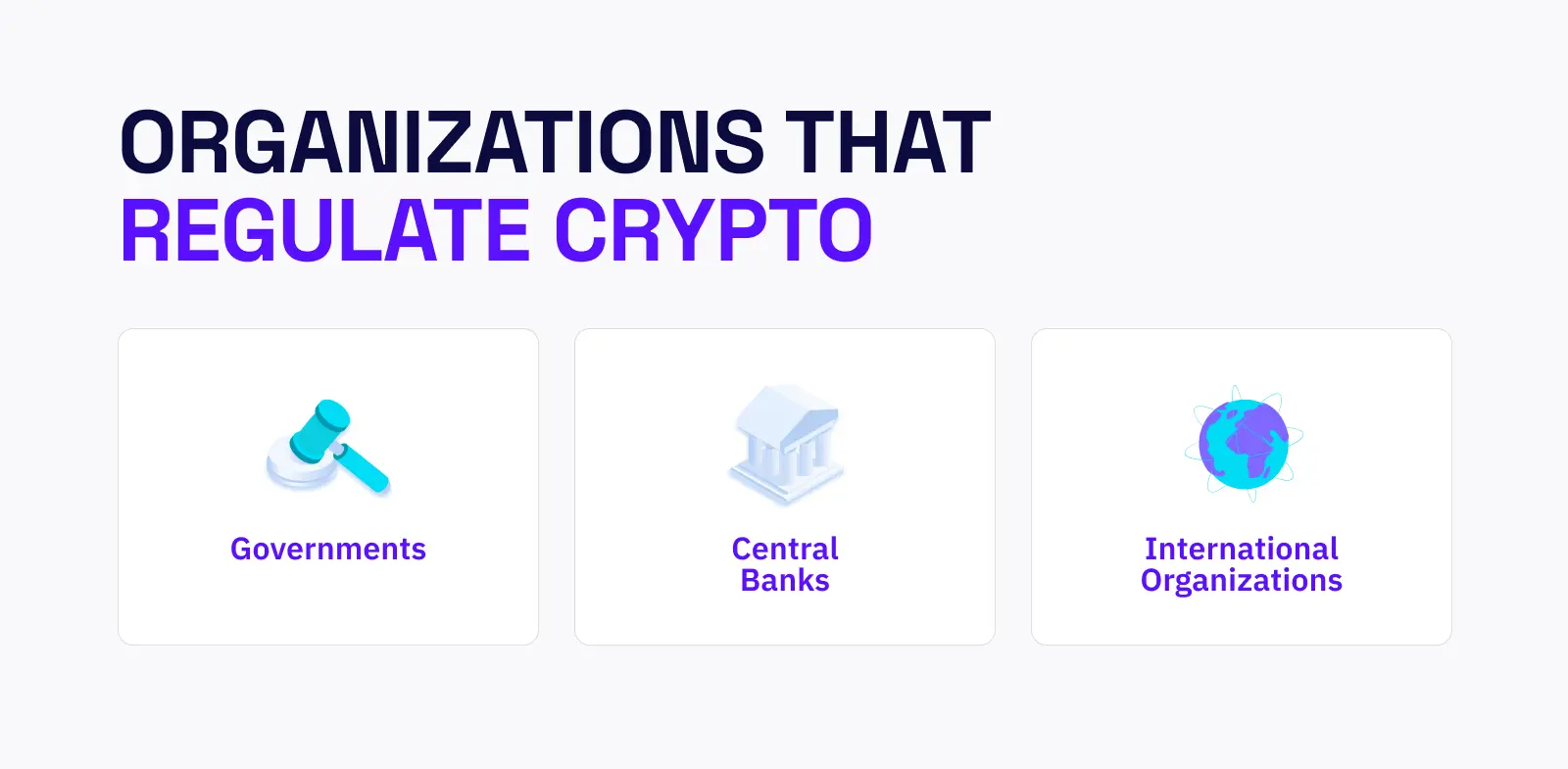
The realm of cryptocurrency has garnered significant attention in recent years, transforming from a niche market into a mainstream financial asset class. With this growth has come a surge in regulatory scrutiny from governments and financial authorities around the world. The establishment of cryptocurrency regulations is a crucial topic, as it impacts investor safety, market stability, and the overall future of digital currencies.
Current State of Cryptocurrency Regulations
As of late 2023, countries such as the United States, the European Union, and the United Kingdom are at the forefront of developing comprehensive regulatory frameworks for cryptocurrencies. In the US, the Securities and Exchange Commission (SEC) and the Commodity Futures Trading Commission (CFTC) have made moves to define digital assets more clearly and set boundaries for their trading practices. The SEC’s recent lawsuits against several prominent exchanges highlight its focus on consumer protection and market integrity.
Across the Atlantic, the European Union has made strides with its proposed Markets in Crypto-Assets (MiCA) regulation, aimed at creating a harmonized legal framework for crypto assets across member states. This legislation could set a global standard that balances innovation with necessary regulatory oversight. The United Kingdom is also advancing its regulatory stance, with the Financial Conduct Authority (FCA) emphasizing compliance and right practices within the cryptocurrency space.
Challenges and Opportunities
While the push for regulation seeks to protect consumers and mitigate risks such as fraud and market manipulation, it also presents challenges for the burgeoning industry. Many startups fear that overly stringent regulations could stifle innovation and lead to mass exodus of crypto ventures to more lenient jurisdictions.
On the other hand, well-crafted regulations could foster greater trust among investors and institutional players, possibly leading to increased market participation. Financial products that are regulated tend to attract more conservative investors, thus broadening the market. The ability to provide a secure framework for trading and investing in cryptocurrencies can lead to a more stable environment, encouraging growth in the space.
Conclusion
The ongoing evolution of cryptocurrency regulations is a critical area to watch as it unfolds in the coming years. The balance between fostering innovation and ensuring consumer protection will dictate the landscape of the digital asset industry. As regulators around the world continue to engage with this dynamic sector, stakeholders must stay informed about legislative changes that could affect their investments and operations. Ultimately, clear and fair regulations have the potential to unlock new opportunities for growth while safeguarding the interests of all market participants.