Introduction
Hell’s Kitchen, both a famous television show and a real-life culinary district in New York City, has become a significant cultural phenomenon. It is a place where culinary dreams are realized or dashed, and it encapsulates the intense world of competitive cooking. As restaurants rebound from the COVID-19 pandemic and the culinary industry evolves, understanding the landscape around Hell’s Kitchen is more important than ever.
The Show’s Impact
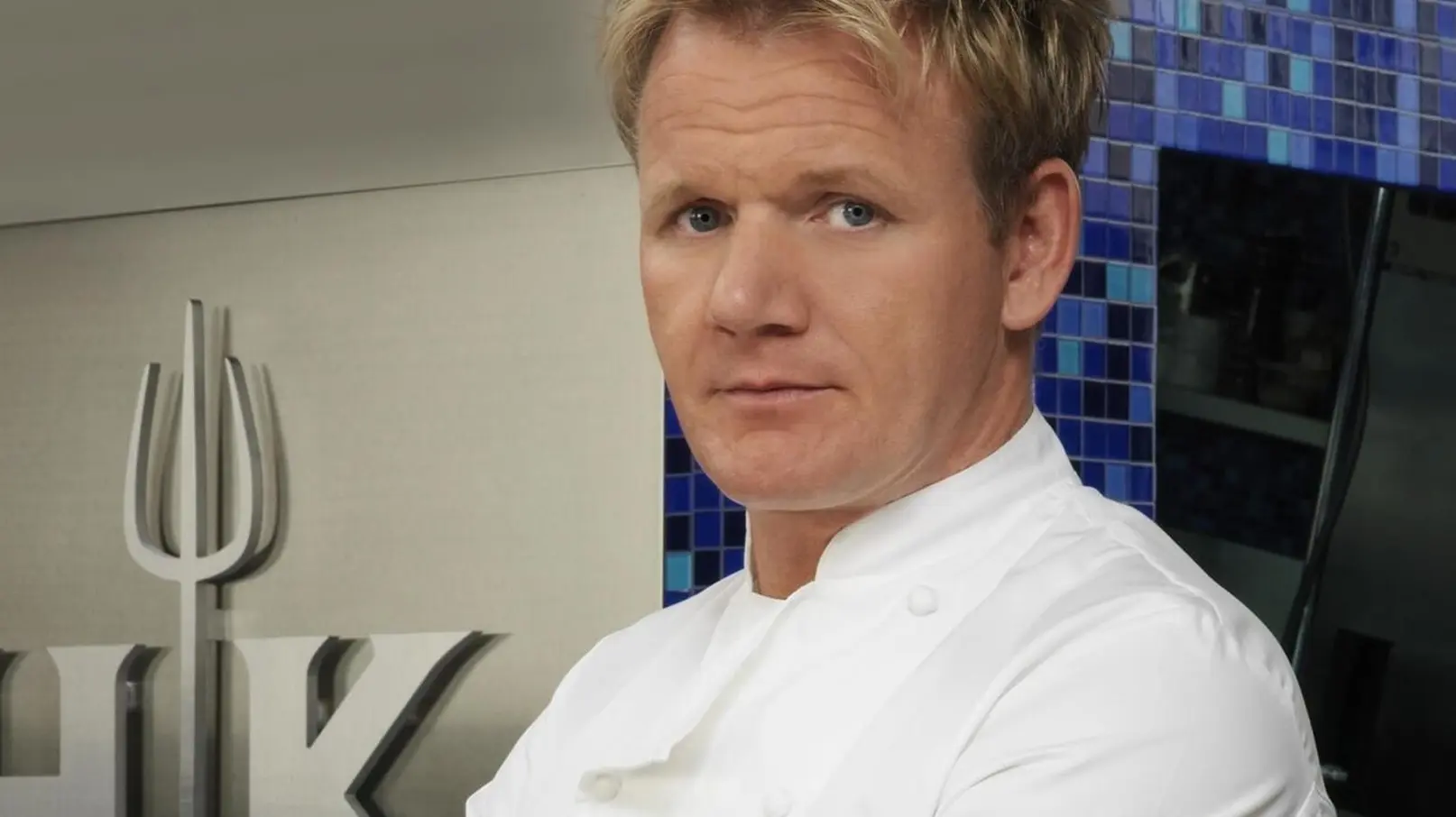
The reality TV show Hell’s Kitchen premiered in 2005 and has become a staple of competitive cooking. It features aspiring chefs competing for a head chef position at a prestigious restaurant, often characterized by the show’s host, Chef Gordon Ramsay’s fiery temperament. The series has not only entertained millions but has also launched the careers of many participating chefs, turning them into household names.
Current Events in Hell’s Kitchen
The Hell’s Kitchen neighborhood, located on the West Side of Midtown Manhattan, has seen a revival, particularly after the challenges posed by the pandemic. Restaurants that once struggled to survive are now reopening and adapting to new dining practices. Several establishments featured in the show are still operating, drawing fans eager to experience a taste of showbiz. Additionally, the recent rise of culinary tourism highlights Hell’s Kitchen as a must-visit location for food enthusiasts. A notable event, the Hell’s Kitchen Food Festival, is set to showcase local talent this coming fall, emphasizing community and culinary creativity.
Significance for Aspiring Chefs
For those looking to break into the culinary world, Hell’s Kitchen presents both a challenge and an opportunity. The high stakes of the area and the show reflect the realities of the kitchen environment where passion meets pressure. Aspiring chefs can learn valuable lessons about resilience, teamwork, and the importance of culinary excellence from both the neighborhood and the series. Industry insights from former contestants and winners highlight pathways toward success in this tough field.
Conclusion
Hell’s Kitchen serves as a microcosm for the culinary industry’s ongoing transformation. As the food world adapts and innovates, it remains a vital hub for aspiring chefs and gastronomes alike. The evolving dynamics of this area, fueled by the high-profile TV show and renewed restaurant activity, suggest that Hell’s Kitchen will continue to be an essential part of culinary discourse and development. For readers, staying informed about these developments may inspire their culinary adventures and appreciation for this vibrant dining district.