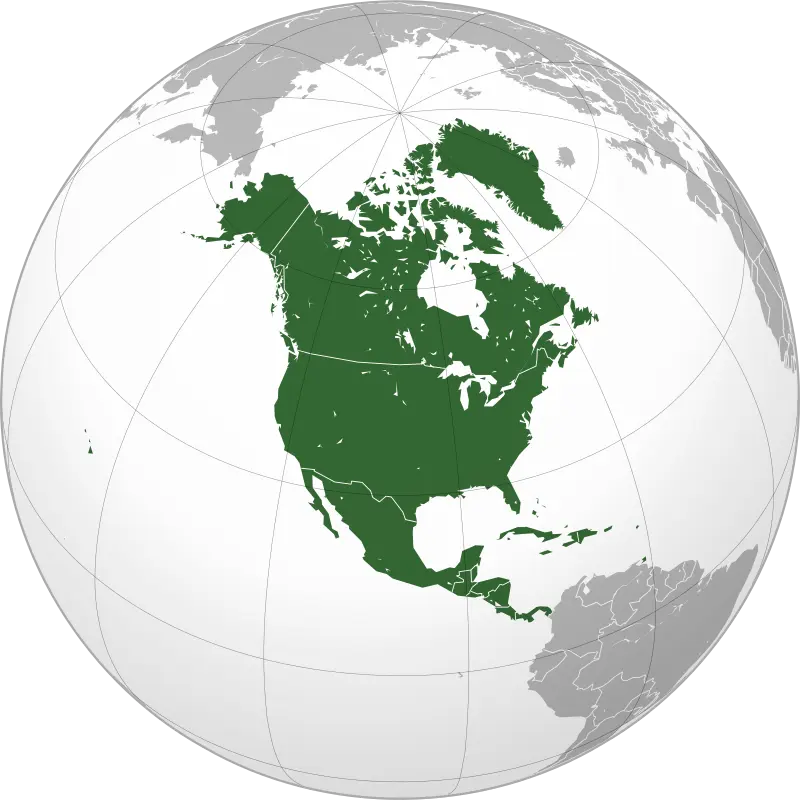
Introduction: Understanding North America
North America, comprising the United States, Canada, Mexico, and several smaller nations, is one of the most significant regions in the world. Its economic power, cultural diversity, and strategic geopolitical position make it essential to global dynamics. Understanding North America is crucial as it faces challenges such as climate change, trade dynamics, and political developments that affect both its residents and the wider world.
Geography and Demographics
Encompassing an area of about 24.7 million square kilometers, North America features a wide variety of landscapes, from the Arctic tundras of Canada to the deserts of Mexico. With a rich tapestry of cultures and languages, the continent is home to over 579 million people. Major urban centers like New York, Toronto, and Mexico City not only serve as economic hubs but also reflect the continent’s multicultural identity.
Economic Significance
North America is one of the largest economic regions in the world. The United States has the largest economy globally, characterized by diverse sectors including technology, finance, entertainment, and agriculture. Meanwhile, Canada is known for its resource wealth, especially in minerals and energy, and Mexico has become a manufacturing powerhouse, particularly in the automotive and electronics industries. The US-Mexico-Canada Agreement (USMCA) strengthens trade relations and fosters economic cooperation among the three countries.
Cultural Diversity
The cultural landscape of North America is incredibly diverse. Indigenous cultures, colonial history, and immigration have all shaped its societal frameworks. Festivals like Día de los Muertos in Mexico, Thanksgiving in the United States, and Canada Day showcase unique cultural heritages. Furthermore, music, food, and art reflect this rich diversity, with influences from around the globe.
Current Events and Challenges
As of 2023, North America is amidst pressing challenges, including addressing climate change impacts, which have resulted in extreme weather patterns across the continent. Political tensions, particularly regarding immigration policy and international relations, are also prevalent. Additionally, the ongoing effects of the COVID-19 pandemic continue to shape health, education, and the economy, with various sectors working towards recovery.
Conclusion: The Future of North America
North America stands at a crossroads, with both opportunities and challenges ahead. The region’s ability to collaboratively address issues such as climate change, economic inequality, and social justice will significantly impact its future standing on the global stage. For residents and policymakers alike, focusing on sustainable development, innovation, and inclusivity will be vital in empowering North America to navigate the complexities of the modern world.