Introduction
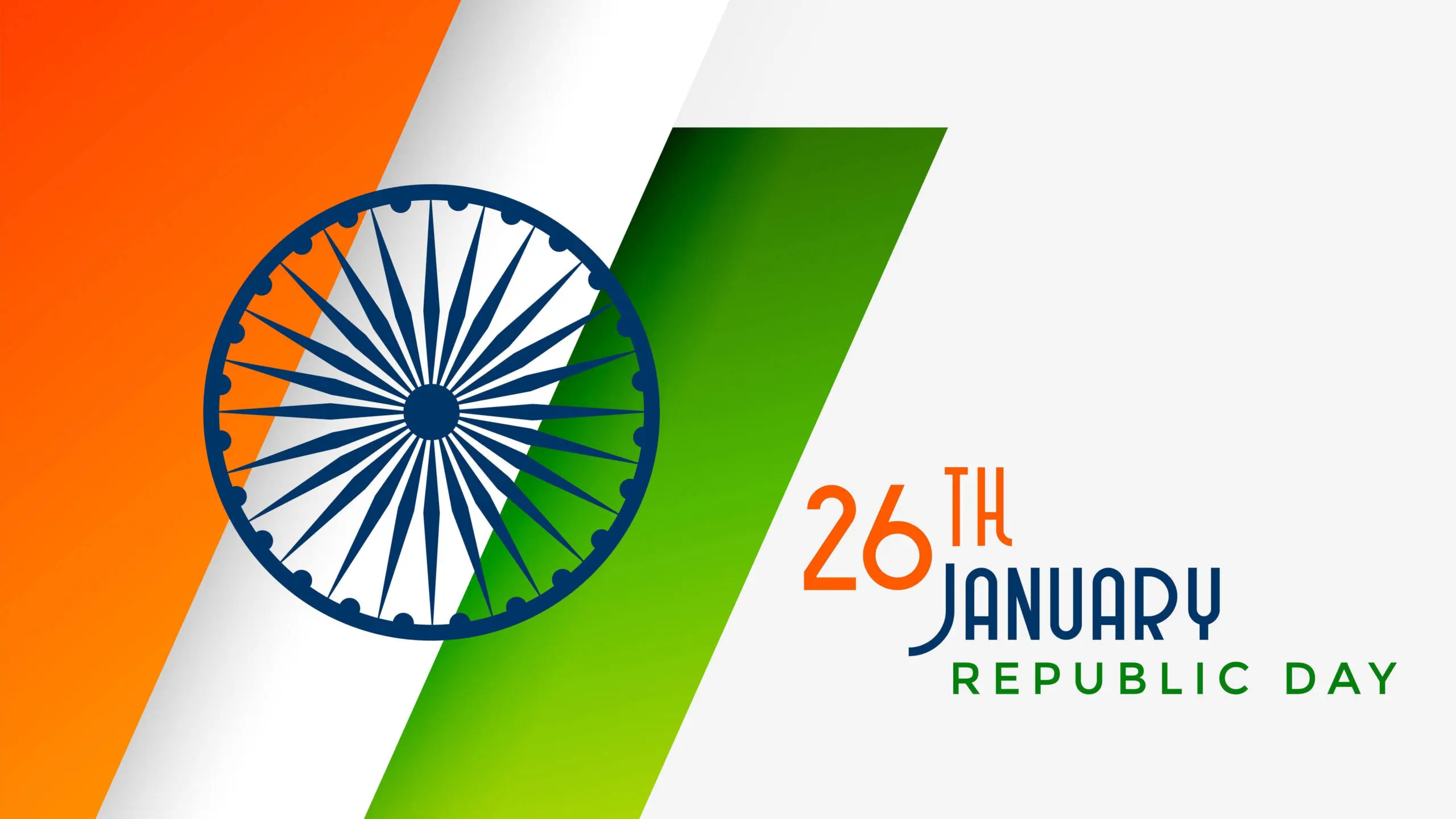
Republic Day in India, celebrated on January 26 each year, marks the adoption of the Indian Constitution in 1950. This day is immensely significant as it represents the transition of India from a British Dominion to a republic, affirming the nation’s commitment to justice, liberty, and equality. The date was chosen to honor the last day of the Indian National Congress’s declaration of independence in 1930, underscoring a historical commitment to sovereignty and self-governance.
History and Background
The journey towards Republic Day started with the Indian independence struggle against British rule. After gaining independence on August 15, 1947, India took almost three years to draft its Constitution. On November 26, 1949, the Indian Constitution was adopted, setting the framework for the nation’s legal and political structures.
January 26, 1950, was finalized as the day when the Constitution came into effect, marking India as a sovereign republic. Since then, this day has been observed with great enthusiasm across the country, emphasizing national pride and commitment to democratic values.
Republic Day Celebrations
The main event of Republic Day takes place in the capital city of New Delhi, where a grand parade is held at Rajpath. This awe-inspiring spectacle features various cultural and military displays showcasing India’s diversity and strength. The parade begins with a salute to the President of India, who is the Chief Guest and symbolizes India’s unity and integrity.
Typically, the parade includes performances from various states, showcasing traditional dances, music, and vibrant costumes, encapsulating the rich cultural heritage of India. Additionally, the military displays highlight the capabilities of the armed forces, reaffirming the nation’s defense preparedness. One of the most awaited moments of the parade is the aerial display by fighter jets, leaving trails of smoke colored in the national flag hues.
Significance for Citizens
Republic Day is not just a public holiday; it serves as a reminder of India’s commitment to democracy, equality, and justice. Schools and educational institutions conduct programs, encouraging students to learn about India’s Constitution and the values it upholds.
Furthermore, Republic Day acts as a call to citizens to reflect on their rights and duties as prescribed by the Constitution, fostering a sense of national pride and responsibility towards upholding democratic values.
Conclusion
As India approaches its 74th Republic Day in 2024, the celebrations will once again highlight the enduring spirit of the nation. The festivities not only commemorate the adoption of the Constitution but also serve to unite citizens from diverse backgrounds in pride for their nation. Observing Republic Day provides an opportunity for reflection on the progress India has made and the collective journey ahead toward a more inclusive and democratic future.