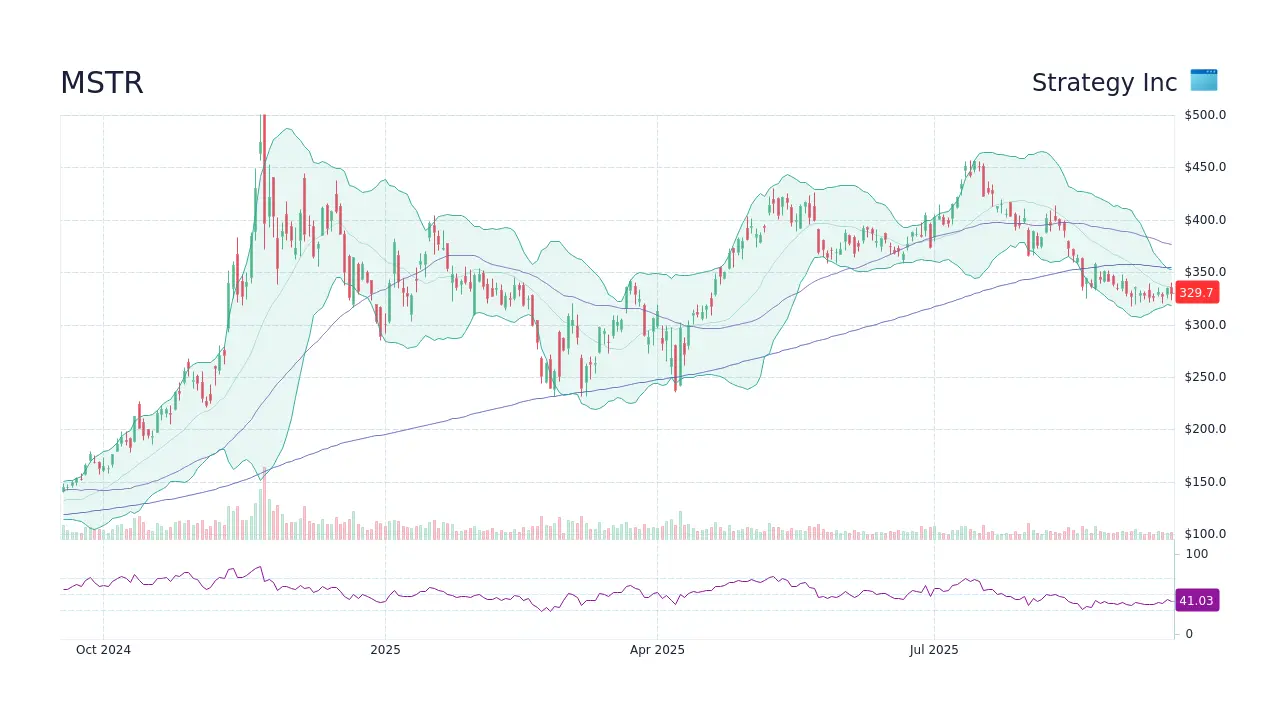
Introduction
The stock market plays a crucial role in the global economy, serving as a barometer for economic health and providing a platform for individuals and institutions to invest in businesses. Understanding stock market trends is essential for investors, analysts, and policymakers as they navigate the complexities of financial landscapes. Recent events have highlighted the dynamic nature of these trends, making it increasingly important for stakeholders to stay informed.
Current Stock Market Landscape
As of October 2023, the stock market has shown notable volatility, primarily influenced by inflation concerns, interest rates, and geopolitical tensions. The Dow Jones Industrial Average, a key indicator of market performance, has seen fluctuations between a range of 32,000 and 36,000 points over the past few months. Significant market movements can be attributed to recent Federal Reserve policy changes aimed at controlling inflation, which has led to rising interest rates affecting investment decisions.
Moreover, the technology sector has been particularly sensitive to market conditions, with major players like Apple and Amazon experiencing both gains and losses as investor sentiment shifts. According to reports, tech stocks have shown an upward tendency since early October after a series of favorable earnings reports, indicating that despite underlying tensions, certain sectors remain poised for growth.
Impact on Investors
For investors, understanding stock trends is vital for making informed decisions. Analysts often recommend strategies such as diversification and staying abreast of economic indicators to mitigate risks associated with market volatility. The past few weeks have demonstrated that while the markets can be unpredictable, employing sound investment strategies can help investors navigate turbulent times.
Furthermore, recent surveys indicate that retail investors are increasingly turning to educational resources to better understand market mechanics. Platforms that offer stock analysis and real-time data have seen a surge in usage, suggesting a growing public interest in financial literacy.
Conclusion
In conclusion, the stock market continues to be a central pillar of the economy, reflecting trends that affect both individual and institutional investors. As we move forward, the ability to comprehend stock market trends can significantly influence investment outcomes and overall economic stability. Experts forecast that staying informed about market trends and economic indicators will be essential for navigating the uncertainties of the current financial landscape. Investors should remain vigilant and adaptable, as the stock market will likely continue to reflect broader economic patterns in the coming months.