Introduction
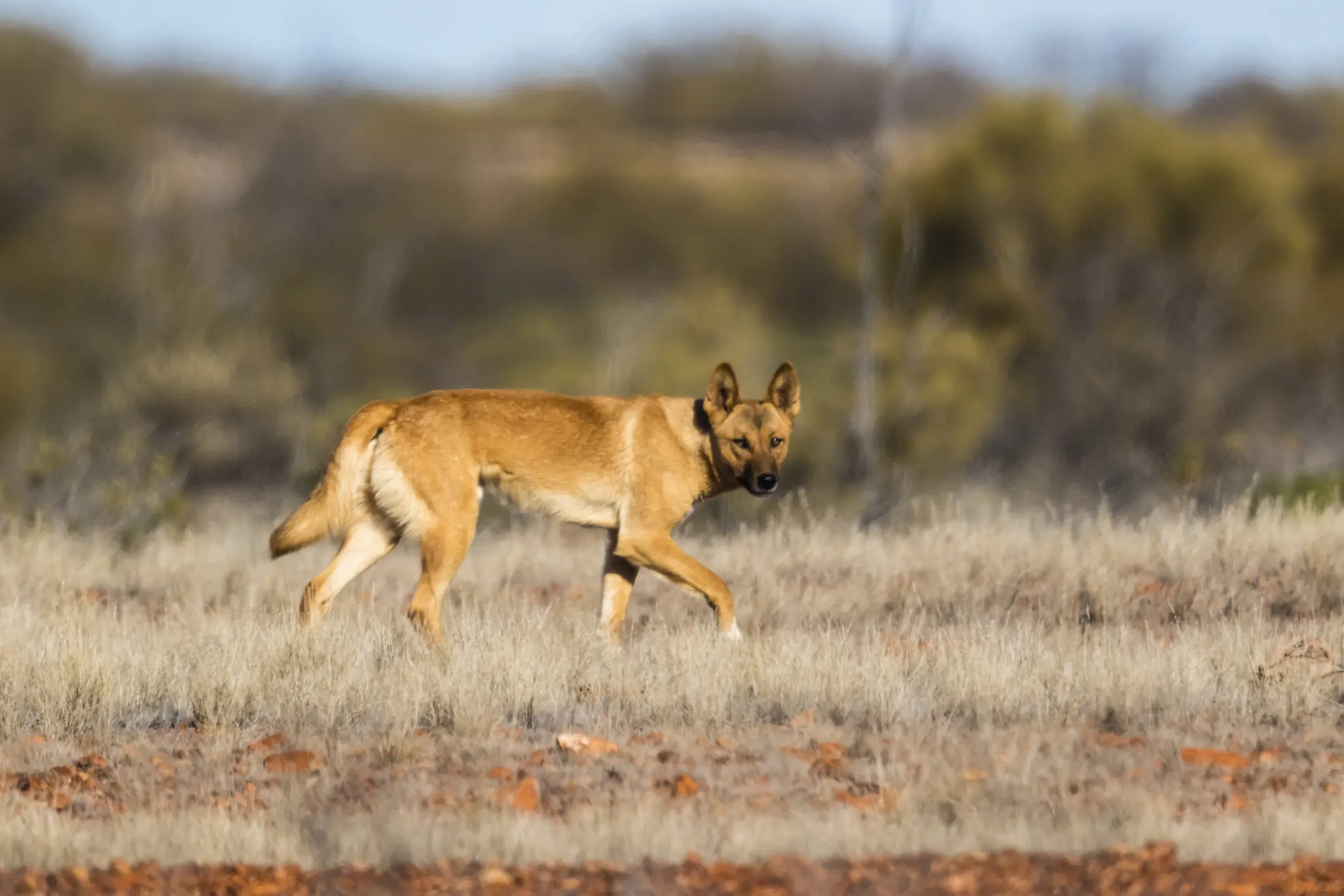
The dingo, a wild canine native to Australia, plays a vital role in the continent’s ecosystem. Recognized as both a cultural symbol and a feral predator, the dingo’s presence influences other species and the environment. Understanding the ecological importance and challenges facing dingoes is crucial for biodiversity and wildlife management in Australia.
Dingo Habitat and Distribution
Dingoes primarily inhabit Australia’s mainland, thriving in diverse environments ranging from deserts to forests. They are known to adapt well to their surroundings, which has allowed their population to spread across much of the country. In recent years, the presence of dingoes has been noted to shift due to climate change and human encroachment on their natural habitats.
Behavior and Social Structure
Dingoes are highly social animals, typically found in small packs that consist of a breeding pair and their offspring. Their cooperative hunting strategies enable them to take down larger prey, such as kangaroos, which can be pivotal in controlling herbivore populations. However, mating and reproduction patterns are influenced by environmental conditions and food availability, making their survival a balance of many factors.
Ecological Challenges
Despite their integral role in the ecosystem, dingoes face several challenges, including habitat loss, human conflict, and hybridization with domestic dogs. This hybridization threatens the genetic integrity of the species and complicates wildlife management efforts. Furthermore, dingoes are often viewed negatively by agricultural communities due to their predatory behavior towards livestock, leading to increased culling and control measures.
Conservation Efforts
Various conservation programs aim to protect dingoes and their habitats. Initiatives focus on educating the public about dingoes’ role in the ecosystem and advocating for their protection within national parks. Moreover, research projects are underway to study the effects of dingoes on other species and the landscape, highlighting their importance as apex predators in maintaining ecological balance.
Conclusion
The dingo is more than just a wild dog; it is a key player in the Australian ecosystem. As conservation efforts continue, it is crucial for Australians and visitors alike to embrace the dingo’s significance. Protecting this species not only benefits the ecosystem but also preserves an integral part of Australia’s natural heritage. Future efforts will need to bridge the gap between conservation and cohabitation, ensuring that both dingoes and agricultural interests can coexist.