Introduction
The National Grid is a crucial component of the United States’ infrastructure that facilitates the distribution of electricity across the country. As energy demands grow and the push for renewable sources escalates, the reliability and efficiency of the National Grid have become more significant than ever. Understanding its workings and challenges is imperative not only for policymakers but also for citizens who rely on stable energy access in their daily lives.
Current Events and Developments
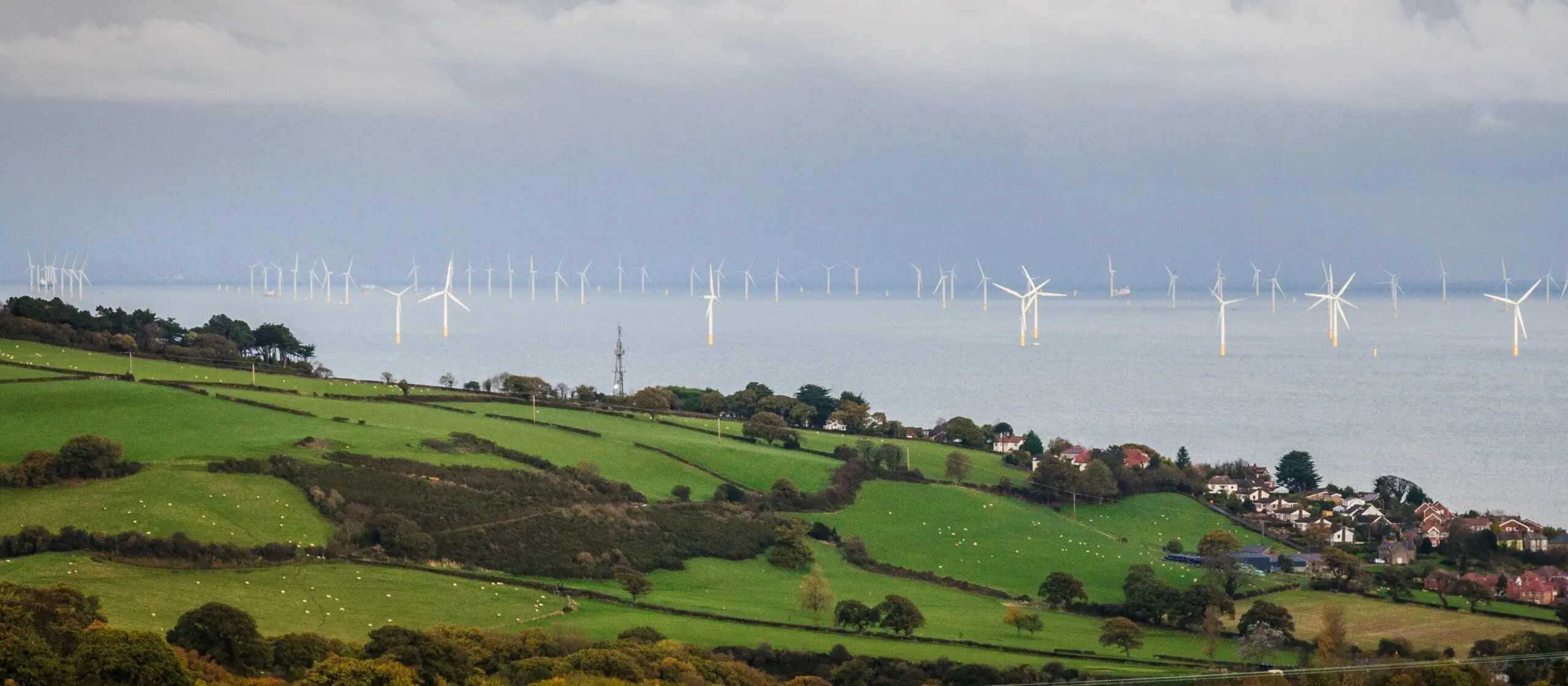
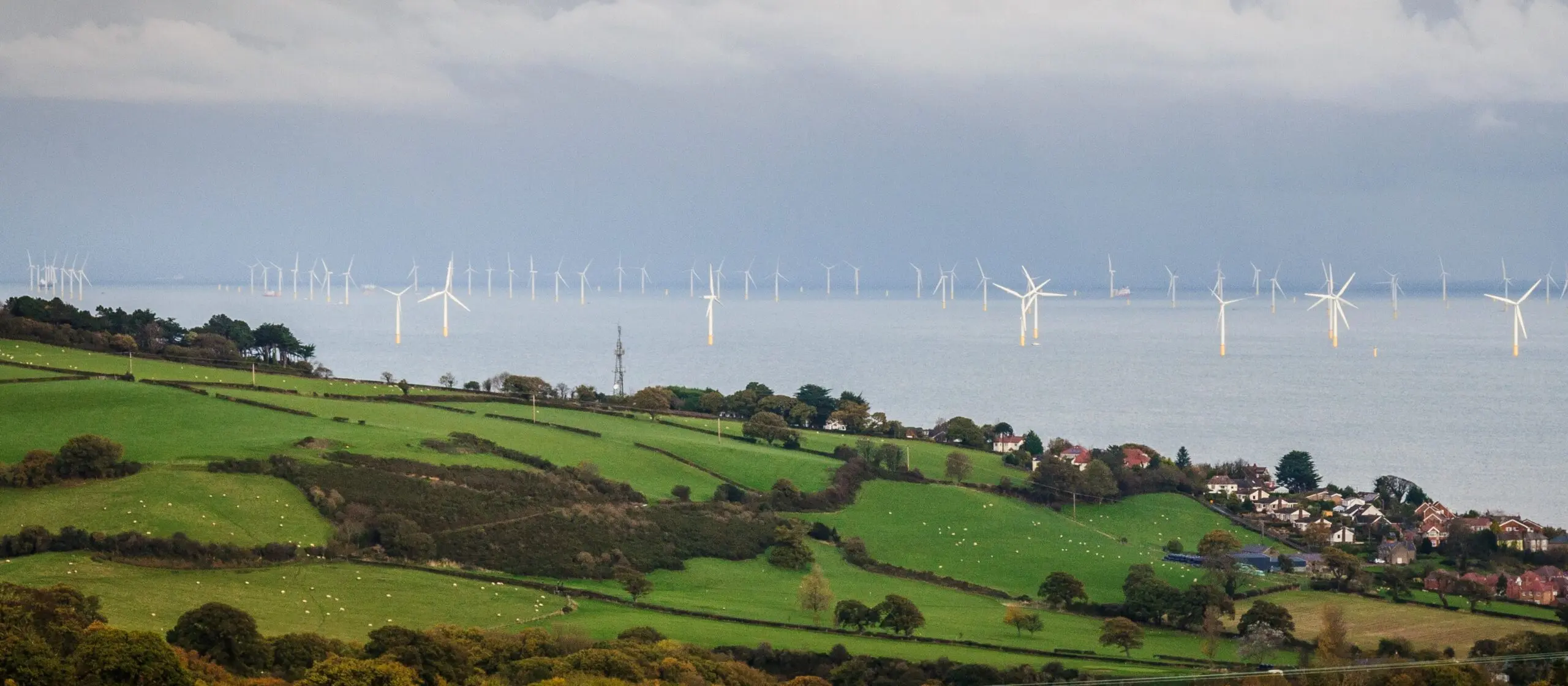
Recently, the National Renewable Energy Laboratory (NREL) published a report highlighting the urgent need to modernize the National Grid to accommodate a growing portfolio of alternative energy sources, such as wind and solar. As of 2023, over 25% of electricity generation in the U.S. comes from renewable sources, and this number is expected to rise as more states commit to clean energy goals. To effectively integrate these sources, the grid must be upgraded with advanced technology, including smart meters and energy storage solutions.
Moreover, recent extreme weather events have tested the resilience of the National Grid. In February 2023, severe winter storms in Texas led to widespread power outages, reminding the public of the grid’s vulnerabilities. These incidents have sparked discussions among lawmakers about the necessity for investment in infrastructure to enhance resilience against climate-related disruptions.
Investment and Policy Changes
The Biden administration has proposed several initiatives aimed at modernizing the grid, with an announced $73 billion investment in infrastructure as part of the Infrastructure Investment and Jobs Act. This funding is expected to enhance the grid’s reliability and efficiency, as well as its capability to withstand the impacts of climate change. In addition to federal efforts, many states are rolling out their own plans to strengthen their grids with the integration of renewable energy sources.
Conclusion
As we look to the future, the National Grid stands as a pillar of American energy infrastructure, necessitating constant attention and innovation to meet the challenges of the 21st century. The transition toward a more sustainable energy system will require collaborative effort among federal and state governments, utilities, and the private sector to ensure a reliable, affordable, and clean energy supply. For consumers, staying informed about these developments is essential, as the changes made today will influence future energy accessibility and sustainability.