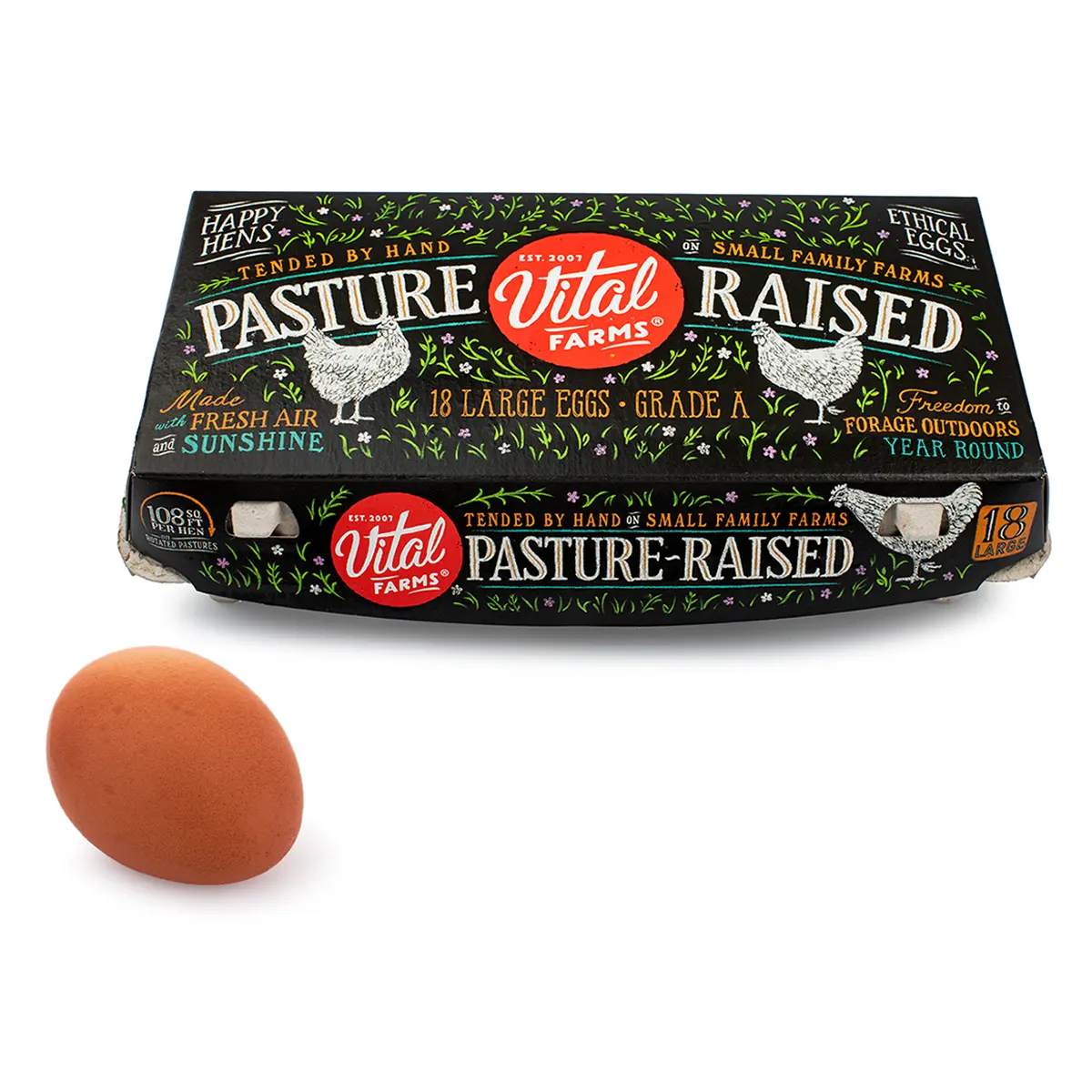
Introduction to Vital Farms Eggs
With the increasing awareness of food sustainability and animal welfare, the demand for humane and ethically sourced food products has skyrocketed. Vital Farms, a leading producer of pasture-raised eggs, has become a household name in this arena. Their commitment to ethical farming practices not only supports animal welfare but also promotes environmental sustainability, making their eggs a popular choice for consumers who prioritize responsible food sources.
What Sets Vital Farms Apart?
Vital Farms prides itself on its transparent farming practices. The company has built its reputation on providing eggs from hens that are free to roam on pastures for an average of 108 square feet per bird. This outdoor access enables the hens to engage in natural behaviors such as roaming, foraging, and sunbathing. The eggs produced are rich in taste and, according to several studies, have superior nutritional profiles compared to conventionally raised eggs. Vital Farms’ emphasis on pasture-raised and humane farming conditions not only benefits the hens but also appeals to consumers increasingly concerned about the ethics of their food choices.
Current Trends and Market Response
As of late 2023, the market for ethical and organic food products, including Vital Farms eggs, continues to grow. Recent reports have indicated that sales of pasture-raised and organic eggs have increased by nearly 20% compared to previous years. This trend is reflective of a shifting consumer mindset, favoring products that align with their values regarding animal welfare and sustainable farming. Vital Farms has responded to this demand by expanding their distribution across various grocery chains and retail outlets, ensuring that consumers have easier access to their products.
The Impact of Vital Farms on the Egg Industry
Vital Farms’ significant influence on the egg industry has led other producers to reconsider their farming practices. By setting a standard for humane treatment of hens, they have inspired a movement towards more ethical practices in the poultry sector. The company’s dedication to promoting animal welfare has not only resulted in better conditions for hens but has also raised awareness and education on the importance of sustainable agriculture.
Conclusion
In conclusion, Vital Farms eggs represent more than just a food product; they symbolize a shift towards more ethical and sustainable farming practices in the agricultural landscape. As consumer preferences continue to evolve, it is likely that companies like Vital Farms will shape the future of food production. The focus on humane treatment of animals and environmental sustainability will be essential for consumers wanting to make informed decisions about their food choices. The story of Vital Farms is a prime example of how ethical practices can lead to a successful business model while also serving the greater good.