Introduction to Weather Radar
Weather radar plays a crucial role in monitoring and forecasting atmospheric conditions. This advanced technology provides meteorologists with critical data about precipitation patterns, storm development, and severe weather warnings. Understanding how weather radar works is essential, especially in a world increasingly affected by climate change and extreme weather events.
How Weather Radar Functions
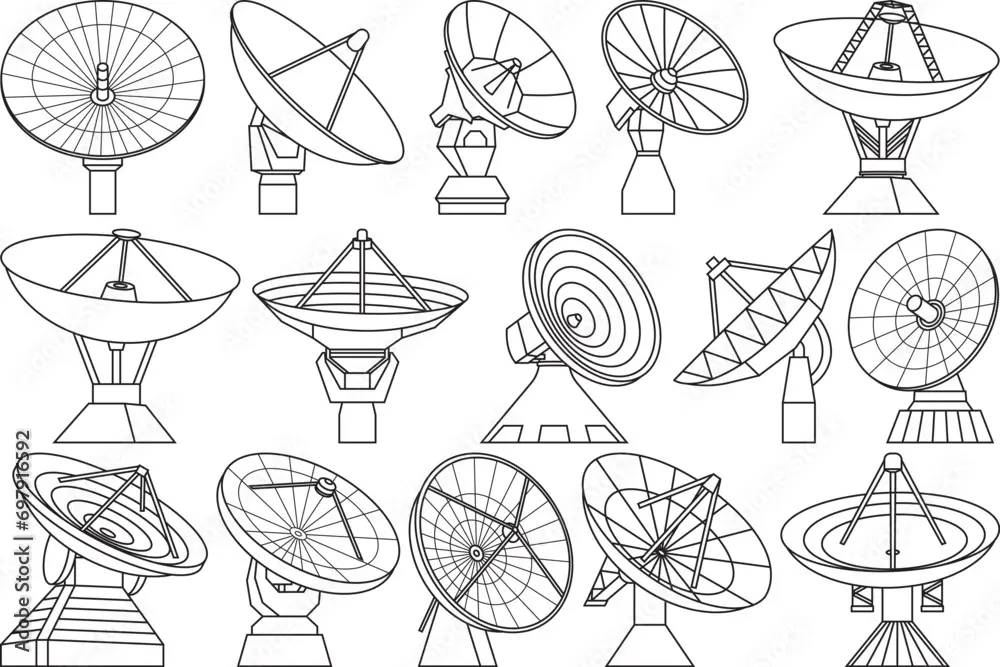
Weather radar operates by emitting radio waves that bounce off precipitation particles in the atmosphere. The radar system measures the time it takes for the signals to return, allowing meteorologists to determine the location, intensity, and movement of precipitation. Doppler radar, a specific type of weather radar, is particularly valuable for detecting wind speed and direction, enabling forecasters to predict the potential for severe weather such as tornadoes and thunderstorms.
Recent Developments in Weather Radar Technology
In recent years, advancements in weather radar technology have significantly enhanced forecasting capabilities. The National Oceanic and Atmospheric Administration (NOAA) has upgraded many radar systems to improve resolution and reduce outage times, leading to more timely and accurate weather warnings. The deployment of dual-polarization radar has also changed the game, improving precipitation type classification and providing better information about rainfall rates.
Impact of Weather Radar on Society
The implications of weather radar extend beyond meteorological accuracy; they also hold significant societal importance. Enhanced radar technology has been linked to saving lives by providing timely warnings for severe weather events, which can facilitate evacuations and preparations. For example, during the 2022 hurricane season, advanced radar data enabled better tracking of storm paths and intensities, resulting in effective emergency responses.
Conclusion and Future Outlook
As weather patterns become increasingly erratic due to climate change, the importance of weather radar is likely to grow. Ongoing research and technological innovations promise to further enhance the precision of weather forecasts. Enhancements in user accessibility, such as mobile weather radar apps, are making it easier for individuals to receive real-time updates. Understanding weather radar not only helps meteorologists improve forecasting but also empowers citizens to make informed decisions in the face of extreme weather conditions.