Introduction to Weather Radar
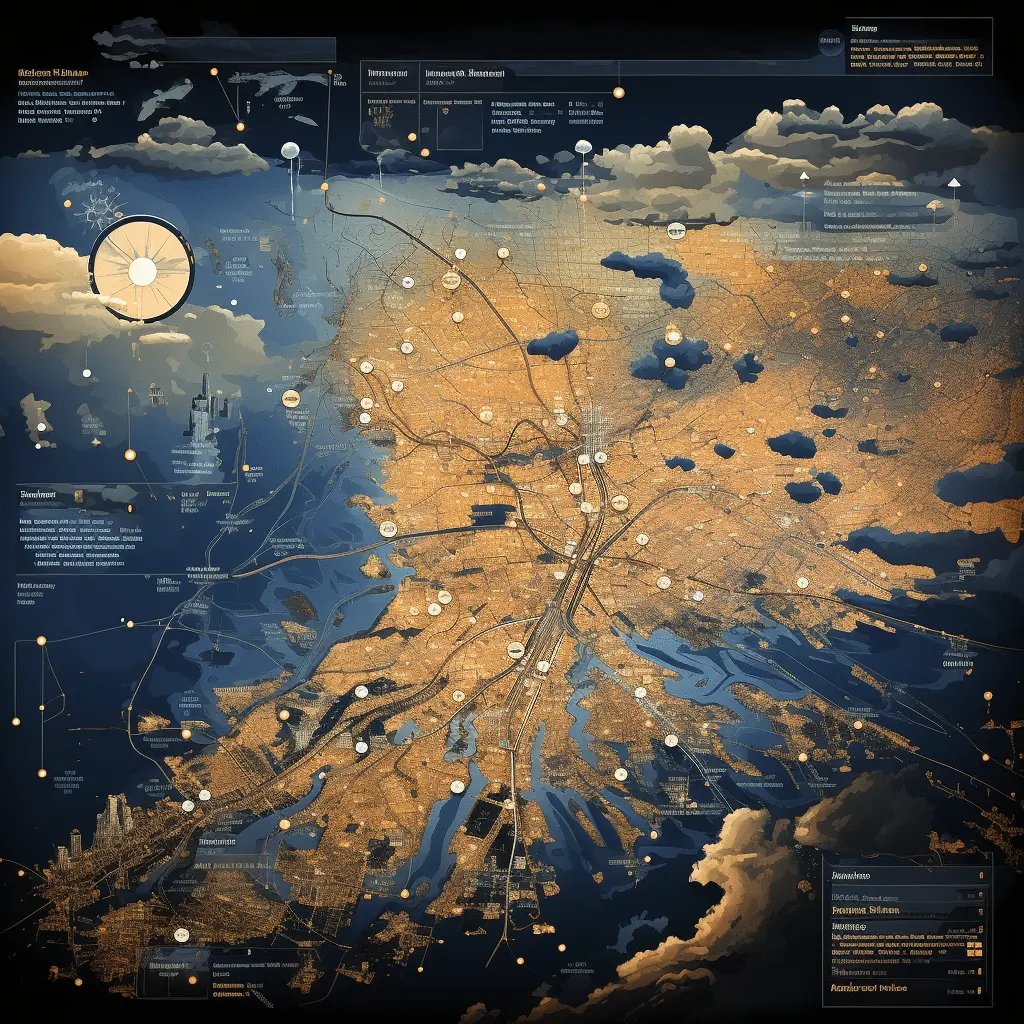
Weather radar has become an essential tool for meteorologists and climate scientists, offering real-time insights into various atmospheric phenomena. By utilizing radars, forecasters can track storms, monitor rainfall, and provide timely warnings for severe weather events such as hurricanes and tornadoes. This technology not only enhances our understanding of weather patterns but also plays a vital role in protecting public safety and the environment.
How Weather Radar Works
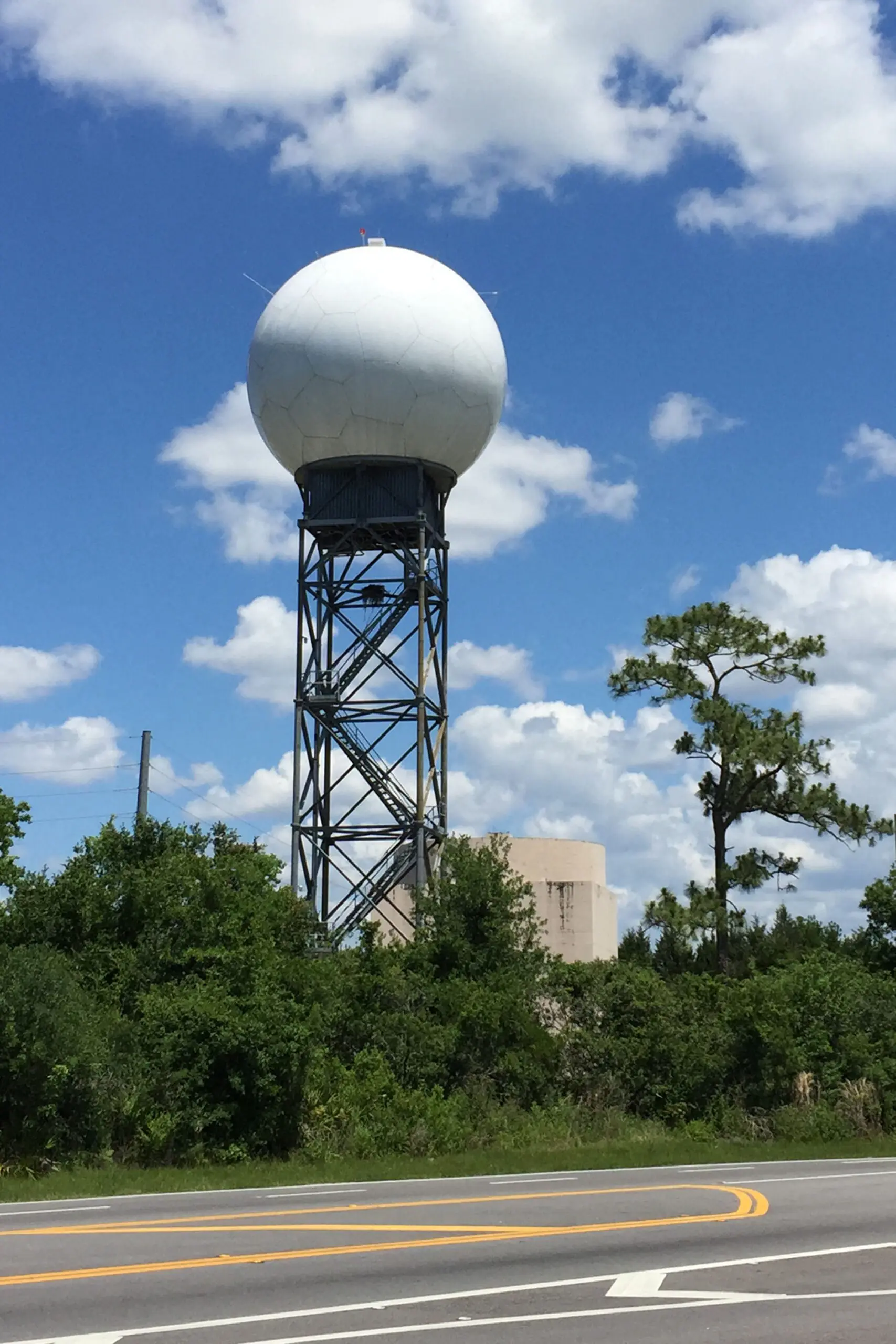
Weather radar operates on the principle of sending out radio waves and analyzing the signals that bounce back from precipitation particles—like raindrops or snowflakes. The key components include a transmitter that emits the radar waves, a receiver that captures the reflected signals, and a processing unit that interprets the data. This information is then displayed visually, allowing meteorologists to assess the location, intensity, and movement of weather systems.
Recent Developments in Weather Radar Technology
Recent advancements in weather radar technology have improved the accuracy and reliability of weather predictions. Doppler radar, for example, can measure the velocity of precipitation, giving forecasters insights into wind patterns and the potential for severe weather. Additionally, dual-polarization radar technology enables meteorologists to distinguish between different types of precipitation—such as rain, snow, or hail—enhancing the precision of forecasts.
The Importance of Weather Radar in Disaster Preparedness
In recent events, such as the increased frequency of hurricanes and heavy rainfall due to climate change, weather radar has proven invaluable. With accurate data, emergency services can prepare communities for incoming storms. In October 2023, weather radar played a critical role in storm tracking during Hurricane Patricia, allowing for timely evacuations and effective emergency responses across affected regions.
Conclusion: The Future of Weather Radar Technology
As technology continues to evolve, the future of weather radar looks promising. Improvements in satellite technology and machine learning techniques will likely enhance forecasting capabilities, allowing for even earlier warnings and better-informed public responses to severe weather events. Understanding and appreciating the role of weather radar helps the community prepare and adapt to an ever-changing climate, ultimately saving lives and property.