Introduction
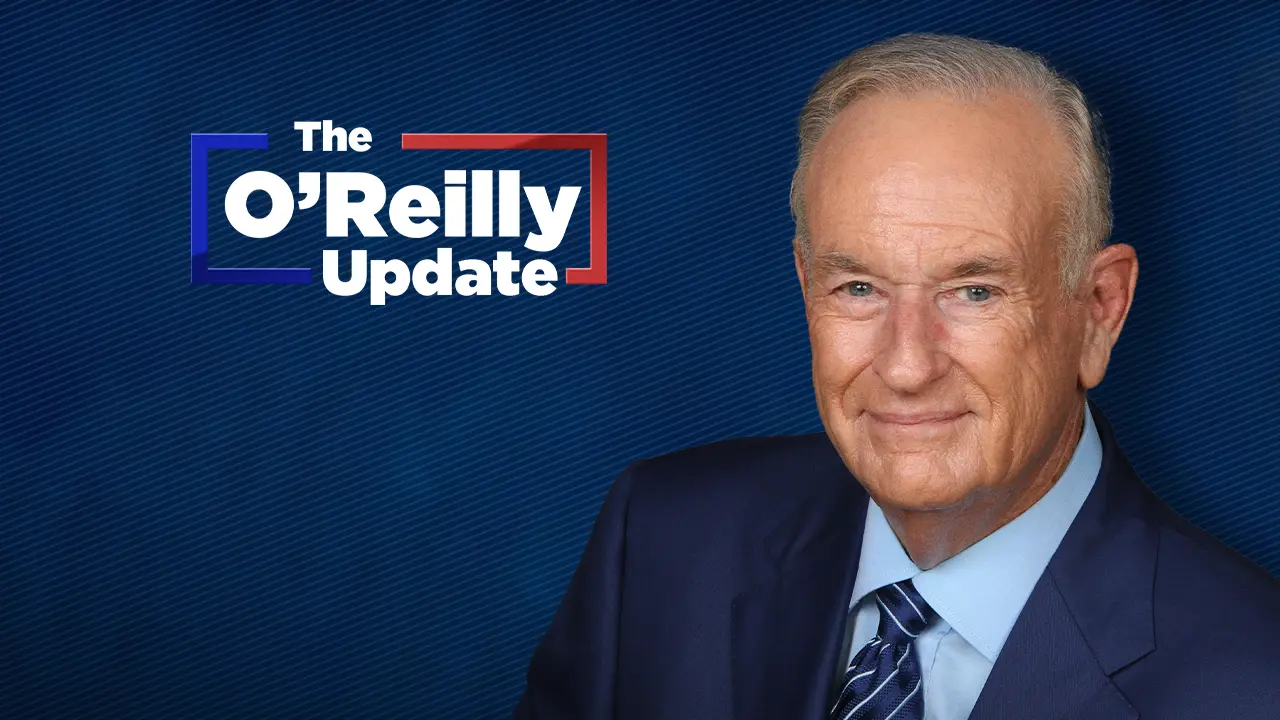
Bill O’Reilly, an iconic figure in American media, is known for his provocative commentary and polarizing views. His career spans decades on television as a journalist, author, and political commentator. As discussions around media integrity and journalism ethics grow more relevant, understanding O’Reilly’s role in shaping public discourse becomes increasingly important.
Overview of O’Reilly’s Career
O’Reilly began his career in journalism in the 1970s, gaining prominence as a correspondent reporting from various locations, including the Falkland Islands. He became a household name while hosting the number one-rated cable news program, ‘The O’Reilly Factor’ on Fox News, from 1996 until his departure in 2017. His show was well-known for its ‘no-spin’ interviews, delivering opinions with confidence, often sparking controversy.
Recent Developments
After leaving Fox News, O’Reilly faced numerous legal battles, including sexual harassment allegations, which he has consistently denied. Despite this, he has managed to maintain a substantial presence in media, launching his own podcast, ‘No Spin News,’ and publishing several books that continue to resonate with a significant audience. The podcast offers his insights on current events, politics, and culture, reflecting his ongoing engagement with audiences who support his viewpoints.
Relevance in Today’s Media Landscape
O’Reilly’s influence persists as discussions about media bias, misinformation, and journalistic ethics dominate public discourse. His rhetorical style and advocacy for a specific political agenda have sparked debates about the role of personality-driven journalism in informing the public. While his supporters laud him for speaking truth to power, critics argue his approach can contribute to societal polarization.
Conclusion
Bill O’Reilly remains a significant figure in contemporary media, representing both the strengths and challenges of opinion-based journalism. As media landscapes evolve and audience fragmentation deepens, O’Reilly’s career and perspective illustrate the varying impacts of media personalities on public perception and political dialogue. The future of figures like O’Reilly could hinge on how they adapt to the changing dynamics of media consumption, continually affecting how Americans engage with news and opinion.