Introduction
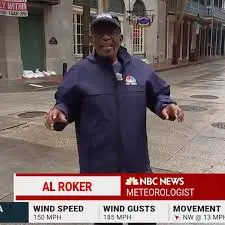
Al Roker, celebrated for his charismatic presence and thorough weather predictions, has become a household name in American television. His journey from a local news station to becoming the face of NBC’s weather team highlights the importance of resilience and passion in the field of journalism. Known not only for his weather forecasts but also for his engaging personality, Roker’s influence extends beyond meteorology to inspire millions across the nation.
Early Life and Career
Al Roker was born on August 20, 1954, in Queens, New York. He graduated from Syracuse University in 1976 with a degree in communications. His career began at WTVH in Syracuse, New York, where he quickly showcased his talents. In 1983, Roker joined NBC and soon became the network’s chief meteorologist, where his career truly took flight.
Achievements and Contributions
Roker’s contributions to television extend beyond weather reporting. He became the first Black meteorologist to work at NBC, breaking barriers in broadcast journalism. Throughout the years, he has received several awards, including multiple Emmy Awards for Outstanding Sunday Morning Program. Roker also authored books, including his memoirs, and frequently participates in charitable events and initiatives focusing on health and wellness.
Health Challenges
In recent years, Al Roker has been open about his health challenges, including his battle with prostate cancer, which he announced in 2020. His candid discussions on his health have helped raise awareness about early detection and the importance of regular check-ups. This willingness to share personal experiences has further endeared him to the public and established him as a role model for many.
Conclusion
Al Roker’s journey is a testament to his dedication to his craft and the impact he has had on the field of meteorology. His ability to connect with audiences and deliver critical weather information effectively has positioned him as not just a meteorologist but also a cultural icon. Looking ahead, Roker continues to inspire future generations with his work while promoting mental health awareness and resilience in the face of adversity. His legacy is not only in the realm of weather but also as a beacon of hope and determination.