Introduction
Juan Carlos Ferrero, once the World No. 1 tennis player, has had a significant impact on the sport since his rise to fame in the early 2000s. His journey from a budding talent in Spain to a Grand Slam champion is not only inspirational but also highlights the evolution of tennis in modern times. Understanding Ferrero’s contributions and achievements in the sport sheds light on his enduring relevance in today’s tennis landscape.
Early Life and Career
Born on February 12, 1980, in Onteniente, Spain, Ferrero showed promise in tennis from a young age. He turned professional in 1998 and quickly made his mark on the ATP Tour. His breakthrough came in 2000 when he reached the semifinals of the French Open, showcasing his talent on clay courts, a surface that would become his favorite.
Rise to Prominence
Ferrero’s career peaked in 2003 when he captured the French Open title, defeating Martin Verkerk in the final, thus solidifying his position as one of the top players in the world. That same year, he ascended to the No. 1 ranking, marking a significant achievement for Spanish tennis. Known for his speed and baseline play, Ferrero became a formidable opponent, known for his tactical approach to the game.
Retirement and Transition
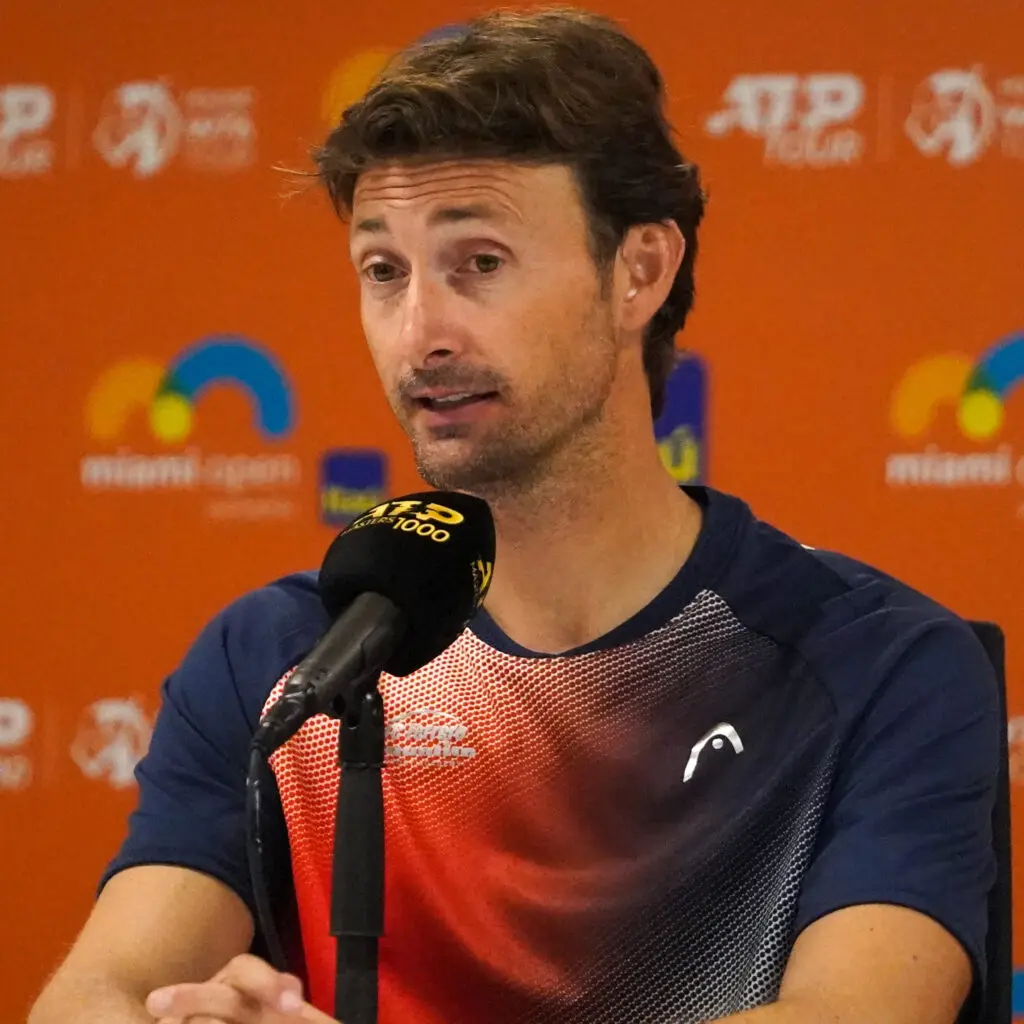
Injuries plagued Ferrero’s later career, leading to his retirement in 2012. After stepping away from professional tennis, he transitioned into a successful coaching role, where he has been influential in developing the next generation of tennis players, including his involvement with younger Spanish talents. This shift has allowed him to share his vast knowledge and experience while continuing to shape the future of the sport.
Current Relevance and Legacy
Today, Ferrero remains an influential figure in tennis, often participating in discussions about the sport’s future and youth development. He continues to inspire young players with his story of perseverance and dedication. As tennis evolves with new rising stars, Ferrero’s legacy as a former champion and mentor reinforces the importance of experience and strategy in competitive sports.
Conclusion
Juan Carlos Ferrero’s journey from a young hopeful to a Grand Slam champion emphasizes the dedication required to succeed in tennis. His role as a coach signifies his commitment to nurturing future talent, ensuring that his passion for the sport endures beyond his playing career. As fans watch the next generation of players, Ferrero’s influence will undoubtedly be felt, underlining the significance of legacy in sports.