Introduction
The Last of Us, a post-apocalyptic video game developed by Naughty Dog, has transcended its origins to become a significant cultural phenomenon.
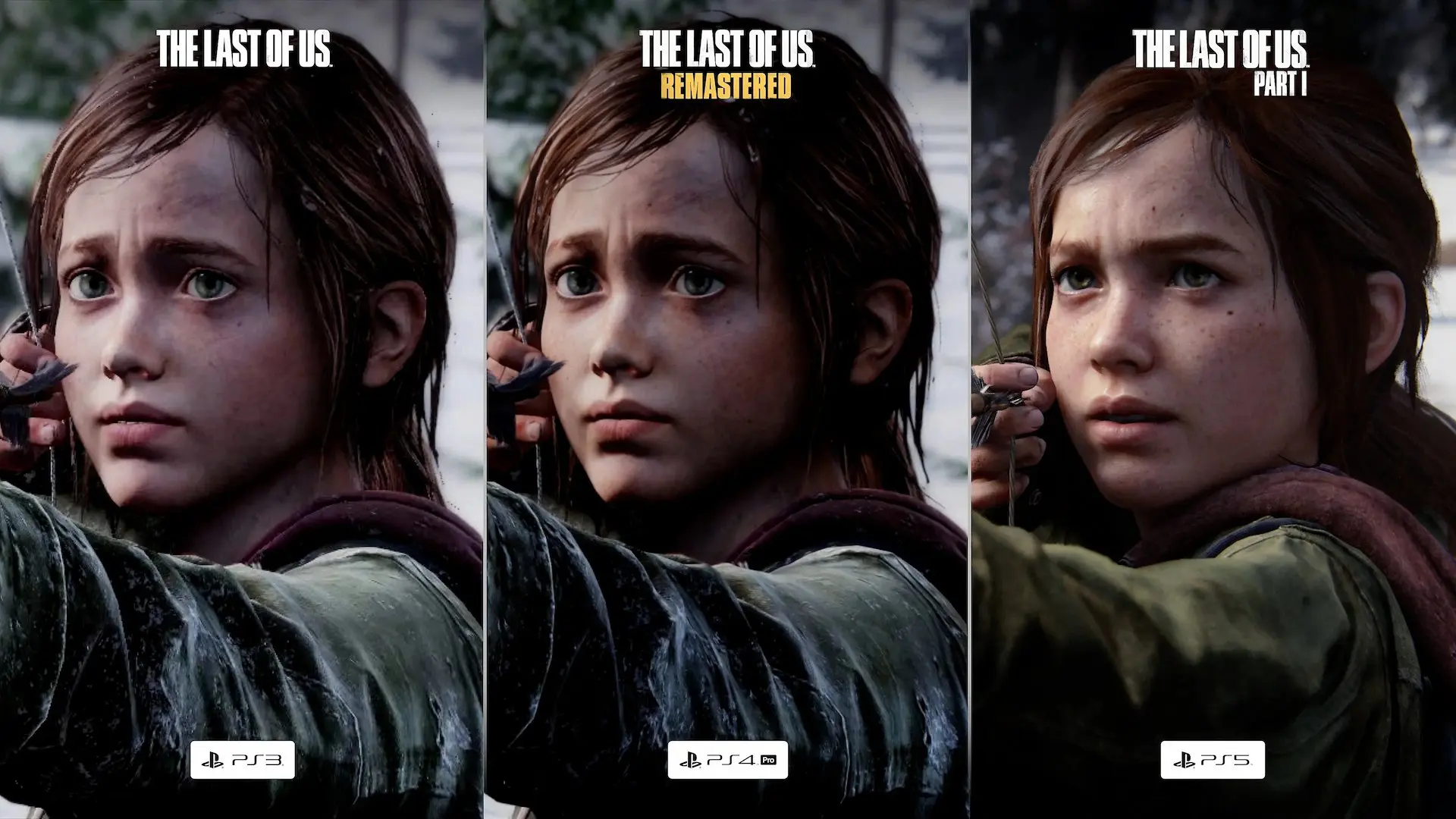
Originally released in 2013 for the PlayStation 3, the game received critical acclaim for its storytelling, character development, and emotional depth. It explores themes of survival, loss, and the complexity of human relationships in dire circumstances. The engaging narrative has since been adapted into a highly successful television series by HBO, further amplifying its impact on popular culture.
Details and Events
The game’s story follows Joel, a hardened survivor, and Ellie, a teenage girl, as they navigate a world devastated by a fungal infection that turns humans into aggressive hosts. The bond that develops between the characters serves as the emotional core of the narrative, resonating with players and viewers alike.
In January 2023, HBO premiered its adaptation of The Last of Us, which quickly garnered praise for its faithfulness to the source material while also providing new perspectives on the story. Critics have lauded the performances of Pedro Pascal as Joel and Bella Ramsey as Ellie, highlighting how they brought depth to their characters and captured the essence of the game’s emotional weight.
Furthermore, the series has broken viewership records, with the first episode drawing in over 4.7 million viewers, making it one of HBO’s most-watched debuts. This remarkable response illustrates the enduring popularity of The Last of Us and its ability to captivate a new audience beyond video games.
Conclusion
The success of The Last of Us, both as a game and a television series, underlines the potency of storytelling in various media. As gaming continues to evolve as a narrative medium, the adaptations signify a growing acceptance of video games as a legitimate form of storytelling, comparable to films and television.
Looking ahead, the future for The Last of Us seems bright, with the potential for further seasons and additional spin-off projects. This success not only enriches the lives of fans but also encourages the gaming industry to explore deeper, more nuanced narratives that resonate with audiences.
In conclusion, The Last of Us is not just a game or a show; it is a testament to the power of storytelling that bridges connections and provokes thought across cultures and generations.