Introduction
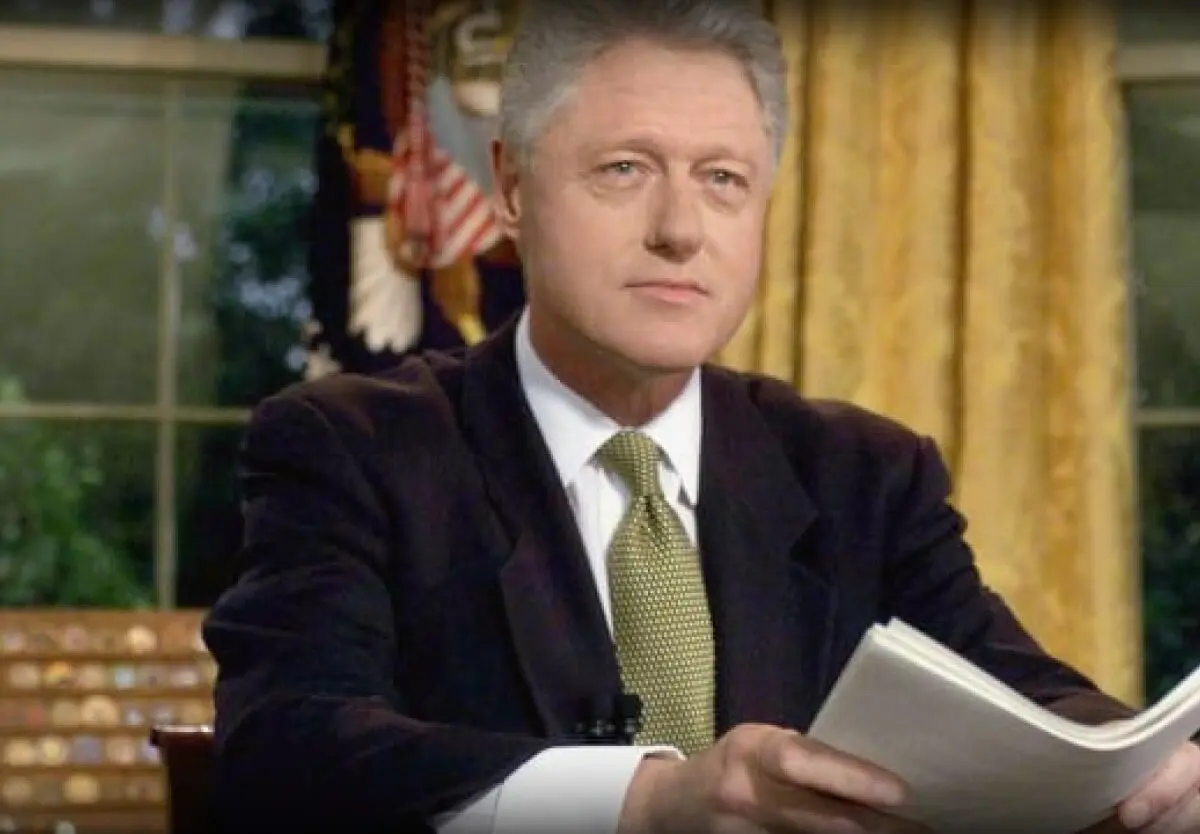
Bill Clinton, the 42nd President of the United States, served from 1993 to 2001 and remains a significant figure in American politics. His presidency was marked by economic prosperity, welfare reform, and notable international relations. Understanding Clinton’s impact provides insight into contemporary political landscapes and ongoing debates about his policies.
Achievements and Policies
During his two terms, Clinton oversaw a period of substantial economic growth, with the U.S. economy adding over 22 million jobs and achieving the first federal budget surplus in decades. His administration is credited with the implementation of the North American Free Trade Agreement (NAFTA) in 1994, which aimed to boost trade between the U.S., Canada, and Mexico. However, this controversial agreement has also faced criticism for its impacts on American manufacturing jobs.
Clinton’s domestic policies included significant welfare reform through the Personal Responsibility and Work Opportunity Reconciliation Act (PRWORA) of 1996, which shifted the focus from welfare assistance to job preparation and employment. This legislation has had lasting effects on social safety nets in the U.S., making it a pivotal point of discussion among policymakers.
Controversies and Challenges
Despite his successes, Clinton’s presidency was not without controversy. His affair with White House intern Monica Lewinsky led to a scandal that resulted in his impeachment by the House of Representatives in 1998 for perjury and obstruction of justice. He was acquitted by the Senate, allowing him to complete his term, but this scandal has shadowed his legacy even into the current political discourse.
Legacy and Influence
Clinton’s influence extends beyond his presidency. He remains an active political figure, often participating in campaigns and global initiatives aimed at health, education, and economic development through the Clinton Foundation. His approach to coalition-building and centrist policies has inspired many contemporary Democratic leaders, though his past decisions are frequently debated among progressives and conservatives alike.
Conclusion
Bill Clinton’s presidency represents a complex chapter in U.S. history, characterized by significant achievements and equally notable controversies. As America continues to grapple with issues of trade, welfare, and political division, analyzing Clinton’s contributions can help inform current and future policies. His enduring influence on the Democratic Party and American politics suggests that his legacy will continue to be a point of reference in political discussions for years to come.