Introduction
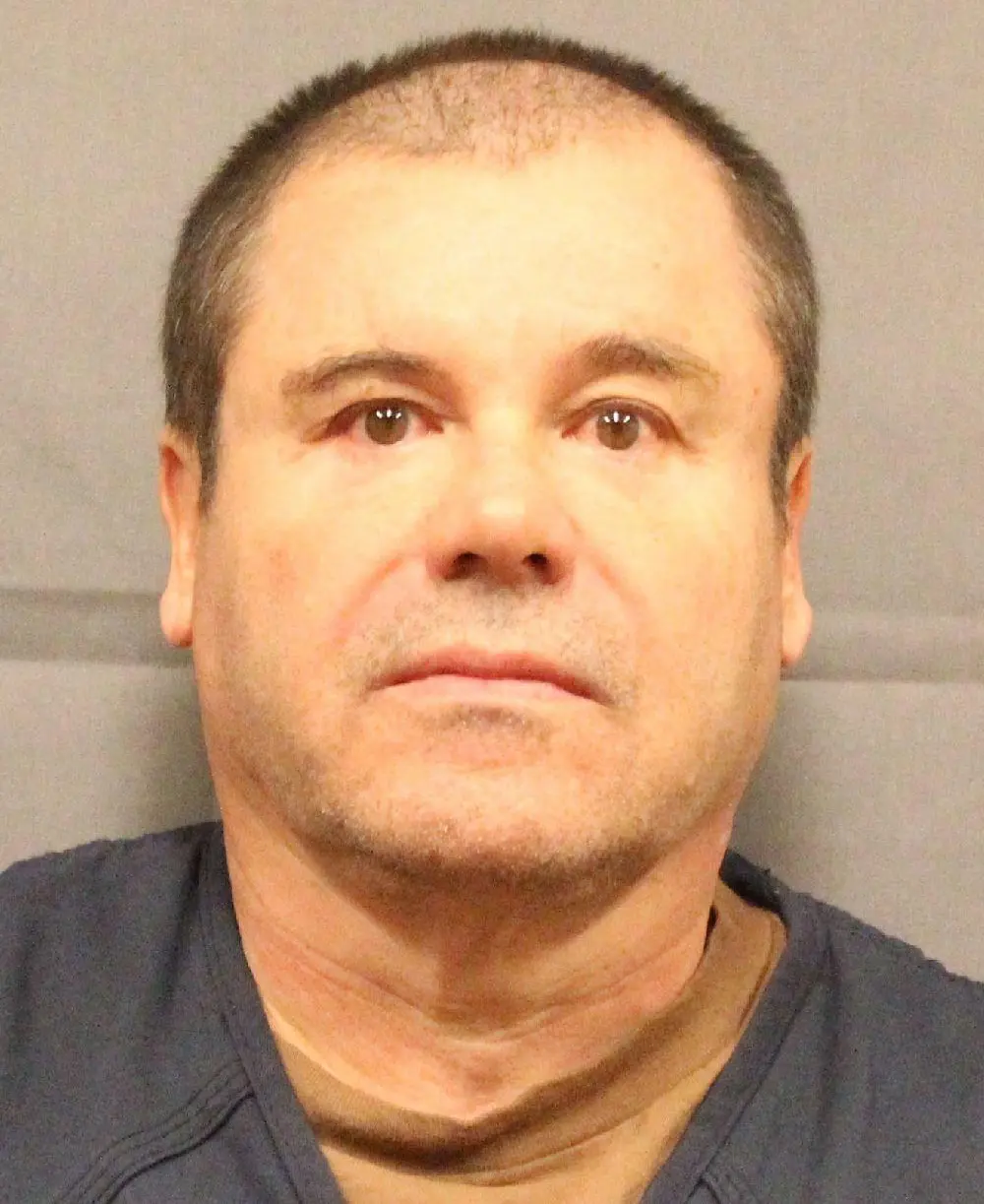
Joaquín ‘El Chapo’ Guzmán, a name synonymous with drug trafficking and organized crime, was once the head of the Sinaloa cartel, one of the most powerful drug trafficking organizations in the world. His arrest and subsequent conviction in 2019 marked a pivotal moment in the fight against drug trafficking in Mexico and beyond. Understanding the implications of his capture is crucial in addressing the ongoing issues of narcotics trade, violence, and cartel influence in both Mexico and the United States.
Major Events Surrounding El Chapo
El Chapo’s journey from a poor farmer’s son to the most wanted man in the world is a tale of both criminal audacity and the flaws in international law enforcement. Following his dramatic escape from a maximum-security prison in 2015 through a tunnel, Guzmán’s prowess in evading capture only heightened his notoriety. He was finally recaptured in January 2016.
His trial revealed extensive details about the Sinaloa cartel’s operations, including billions of dollars in drug sales, violent enforcement tactics, and significant corruption among law enforcement officials. The trial also showed how Guzmán used violence and intimidation to maintain control over his operations, leading to widespread fear across regions heavily affected by drug trafficking.
Current Impact and Future Implications
As of 2023, the power vacuum left by El Chapo’s absence from the scene has led to an increasingly fragmented drug trafficking landscape in Mexico. New players have emerged, which has resulted in increased violence as rival factions vie for control. This fragmentation has made it more difficult for authorities to combat drug-related crime, causing a spike in violence across numerous cities.
Moreover, while the U.S. has increased efforts to clamp down on drug smuggling—resulting in record seizures—the demand for narcotics continues to spiral, driving traffickers to innovate their routes and methods. The flow of opioids across the border remains a significant public health crisis, exacerbated by the continuation of production by drug cartels.
Conclusion
The legacy of El Chapo’s capture continues to resonate in the ongoing battle against drug trafficking. While his imprisonment has momentarily disrupted the operations of the Sinaloa cartel, the broader issue of drug violence and its socio-political implications still loom large. As authorities grapple with the evolving landscape of drug trafficking, continued international cooperation, innovative strategies, and comprehensive treatment for addiction will be paramount in addressing this complex and pressing issue. The future of drug trafficking in North America will depend heavily on how these challenges are met in the years to come.