Introduction
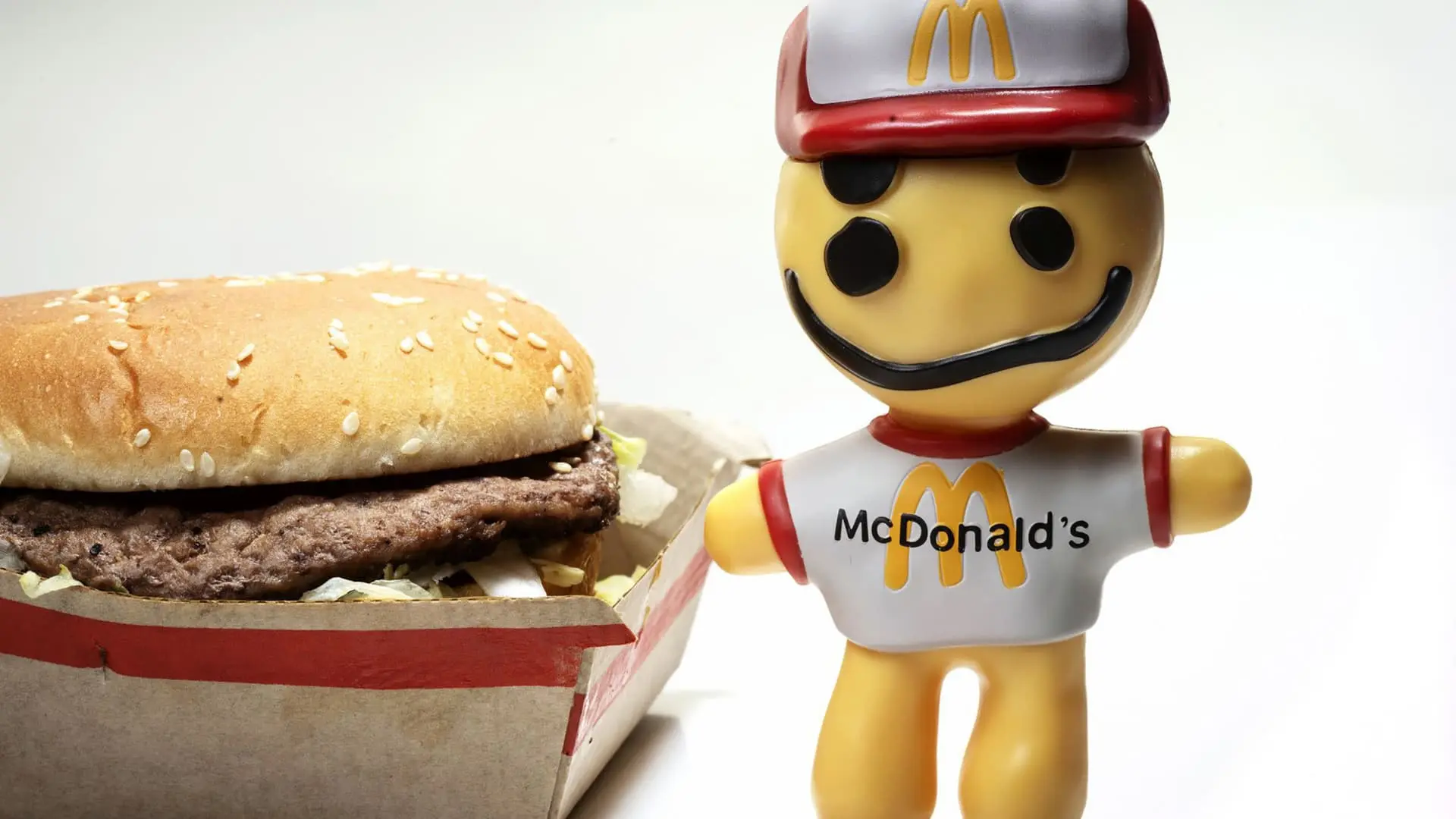
Happy Meal toys have become a staple in the fast food industry, captivating the hearts of children and creating nostalgic memories for adults. Since their introduction in 1979 by McDonald’s, these toys have played a crucial role in fast food marketing, making meals more appealing to young customers. This article explores the evolution of Happy Meal toys, their significance for marketing strategies, and their impact on children’s culture.
The Evolution of Happy Meal Toys
Initially, Happy Meal toys were simple items, such as small figurines or puzzles, but as the years progressed, they transformed into various collectibles, often tied to popular movies and franchises. For instance, the partnership with Disney featured toys inspired by beloved characters from films like “The Lion King” and “Finding Dory.” These collaborations helped McDonald’s not only to boost sales but also to stay relevant in a fast-moving entertainment-driven market.
Marketing Strategy and Consumer Engagement
The importance of Happy Meal toys extends beyond mere entertainment; they represent a powerful marketing strategy. According to marketing experts, the inclusion of toys can increase the likelihood of children persuading their parents to choose McDonald’s over competitors. In recent years, the company has harnessed social media and digital marketing, with campaigns that invite families to share their Happy Meal experiences online. This shift has further engaged audiences, sustaining interest across generations.
Impact on Children’s Culture
Happy Meal toys have influenced children’s culture significantly, creating trends and fostering collection habits among kids. The toys have often been associated with childhood milestones and celebrations, symbolizing a small yet joyous part of growing up. However, there has been an ongoing debate about the implications of fast food promotions on children’s health. Critics argue that the toys encourage frequent consumption of unhealthy food, potentially leading to diet-related issues.
Conclusion
In conclusion, Happy Meal toys hold a significant place in both marketing and popular culture. As they evolve with changing trends and consumer preferences, McDonald’s has shown adaptability in its strategies. While they continue to spark joy among children, it’s crucial for parents and caregivers to balance the appeal of these toys with healthy eating habits. Looking ahead, the future of Happy Meal toys will likely see further integration of technology and eco-friendly options, ensuring they remain relevant while contributing positively to children’s experiences.