The Importance of Jackie Robinson
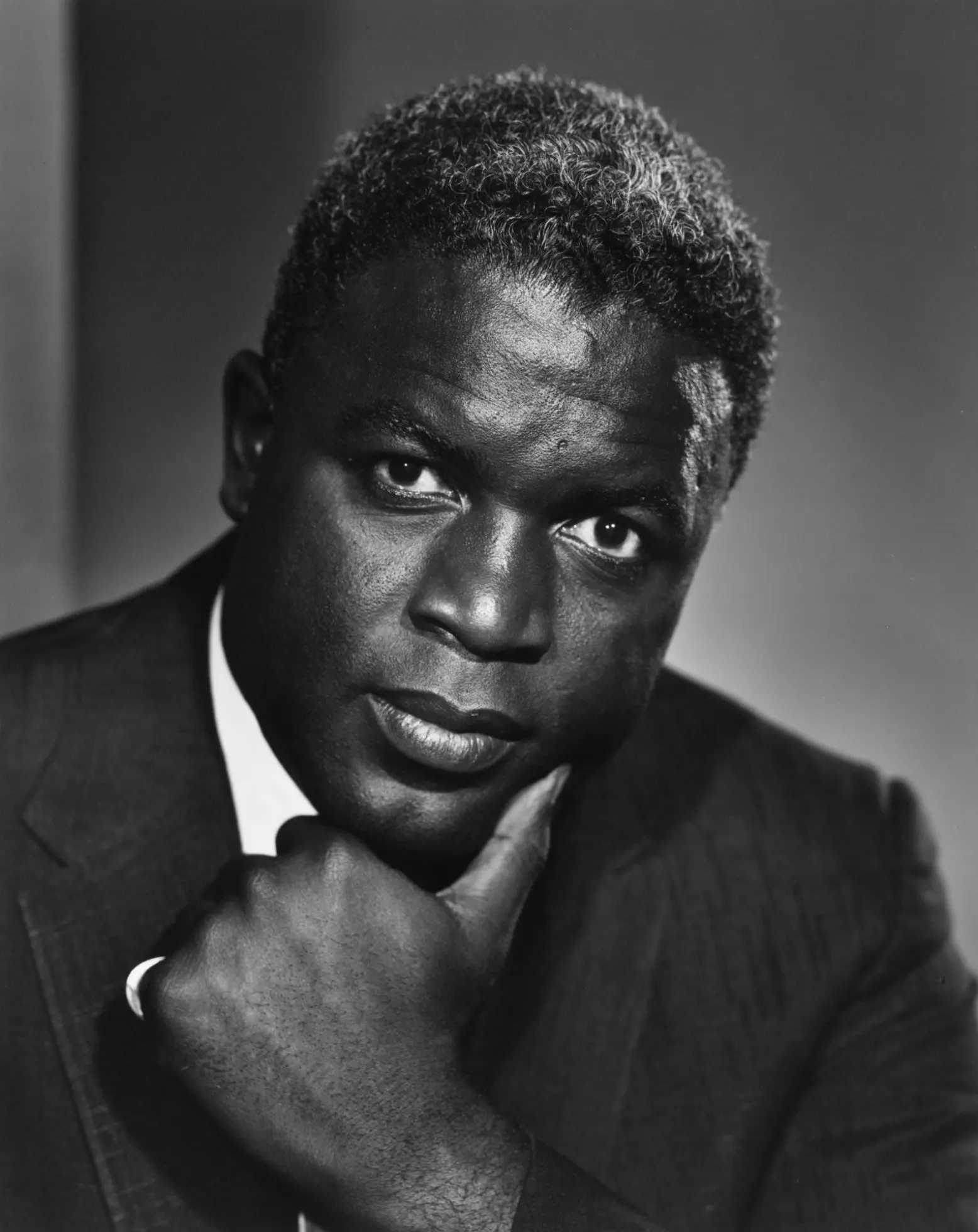
Jackie Robinson is not just remembered as a baseball player; he is a symbol of courage and determination for millions. In 1947, Robinson became the first African American to play in Major League Baseball (MLB) in the modern era, shattering racial barriers and changing the landscape of the sport forever. His impact goes beyond athletics, marking a pivotal point in the civil rights movement of America.
Breaking the Color Barrier
Robinson made his major league debut on April 15, 1947, with the Brooklyn Dodgers. Despite facing hostility from fans and fellow players, he maintained his composure and excelled on the field. During his 10-year career with the Dodgers, Robinson was a six-time All-Star and won the National League MVP award in 1949. His ability to perform at the highest level under such pressure opened doors for future generations of athletes of color.
Robinson’s Influence on Civil Rights
Beyond his athletic achievements, Robinson’s influence extended into social justice. He became a vocal advocate for civil rights and worked with various organizations to promote racial equality. In 1962, he was inducted into the Baseball Hall of Fame, a testament to his skill and his contribution to civil rights. His legacy continues to inspire athletes and activists today, as seen in various tributes, including Jackie Robinson Day, which is celebrated annually on April 15 across MLB, where every player dons his iconic number 42.
The Continued Significance of Robinson’s Legacy
As we continue to navigate issues of race and equality in sports and society, the lessons from Jackie Robinson’s life remain as relevant as ever. His story is not just about breaking into baseball; it’s about breaking barriers and paving the way for countless others. As athletes today use their platforms to advocate for social change, Robinson’s legacy serves as a powerful reminder of the impact one individual can have.
Conclusion
In conclusion, Jackie Robinson was more than a baseball player; he was a trailblazer for civil rights whose legacy continues to resonate. His courage and perseverance in the face of adversity opened doors for future athletes while igniting important discussions about race relations in America. As we remember his contributions, we are encouraged to reflect on the ongoing journey toward equality, both in sports and society at large.