Introduction
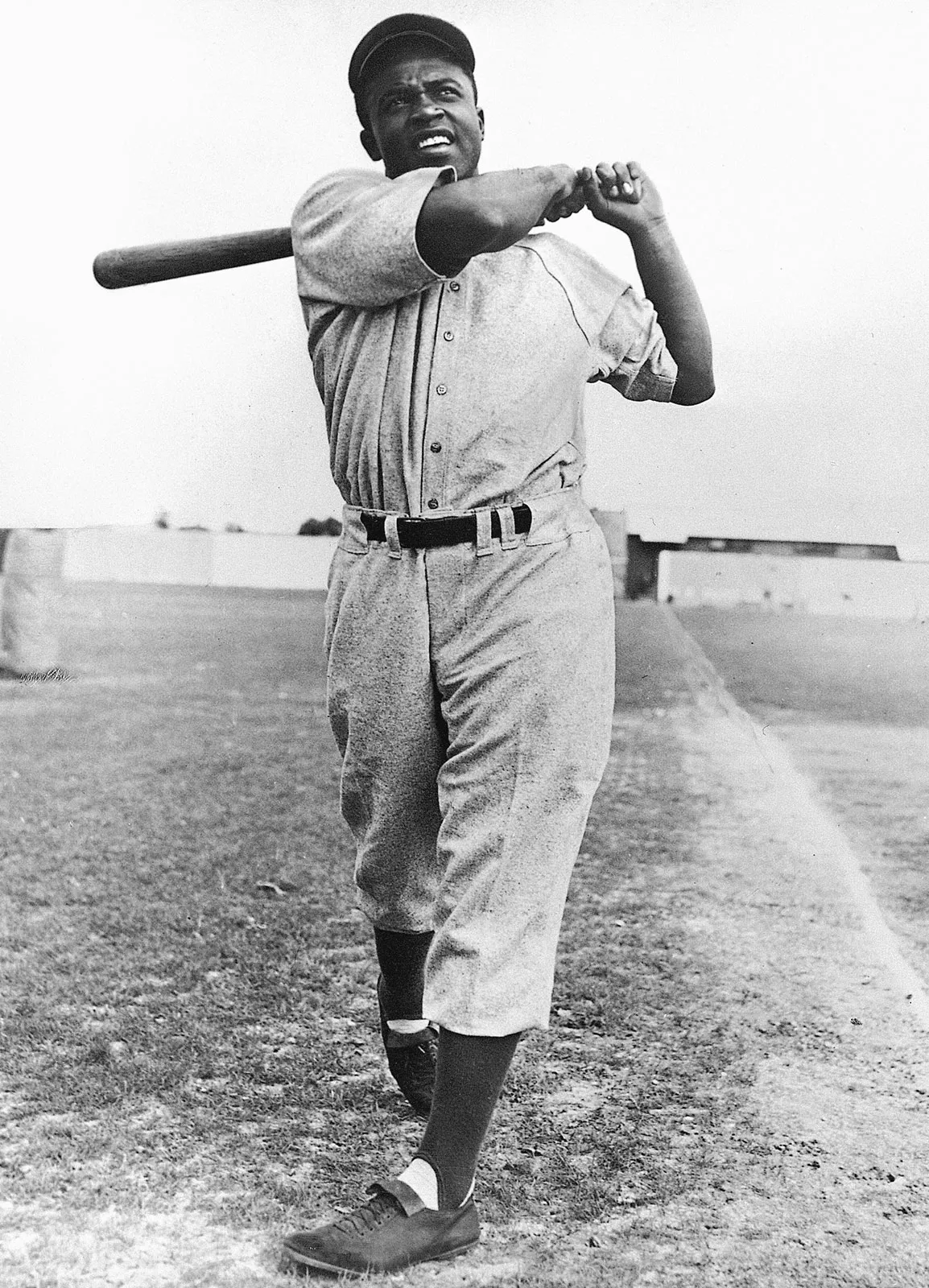
Jackie Robinson is one of the most significant figures in American sports history, renowned for breaking the color barrier in Major League Baseball (MLB) in 1947. His remarkable talent, bravery, and resilience not only transformed the sport but also ignited a movement for civil rights in the United States. Robinson’s journey remains relevant today, symbolizing the ongoing struggle for equality and justice.
Breaking the Barrier
In 1947, Jackie Robinson signed with the Brooklyn Dodgers, becoming the first African American to play in the modern era of MLB. This historic moment was not just a breakthrough for Robinson personally but also set a precedent that challenged the segregationist policies prevalent in American sports. Despite facing severe racial hostility from fans and players alike, he maintained composure on and off the field, achieving a batting average of .311 in his rookie year and winning the Rookie of the Year award.
Impact on Civil Rights
Robinson’s influence extended well beyond baseball. He became an important civil rights activist, using his platform to speak out against racial injustice. His involvement with organizations such as the NAACP highlighted the struggles faced by African Americans, making him a pivotal figure in the civil rights movement. Robinson once stated, “A life is not important except in the impact it has on other lives,” demonstrating his commitment to social change.
Legacy and Recognition
Jackie Robinson’s legacy is celebrated each year on April 15, known as Jackie Robinson Day, when every player in MLB wears his number 42 in his honor. His impact is further acknowledged through the establishment of the Jackie Robinson Foundation, which provides scholarships and mentoring for minority students. In addition, he was posthumously awarded the Presidential Medal of Freedom in 1984, recognizing his contributions to American society beyond the realm of sports.
Conclusion
Jackie Robinson remains a symbol of courage and perseverance in the face of adversity. His significance extends far beyond baseball, influencing generations to strive for equality and justice. As society continues confronting issues of racial inequality, Robinson’s legacy serves as a powerful reminder of the progress made and the work that still lies ahead. His story encourages individuals to fight for what is right, advocate for change, and inspire future generations to follow in his footsteps.