Introduction
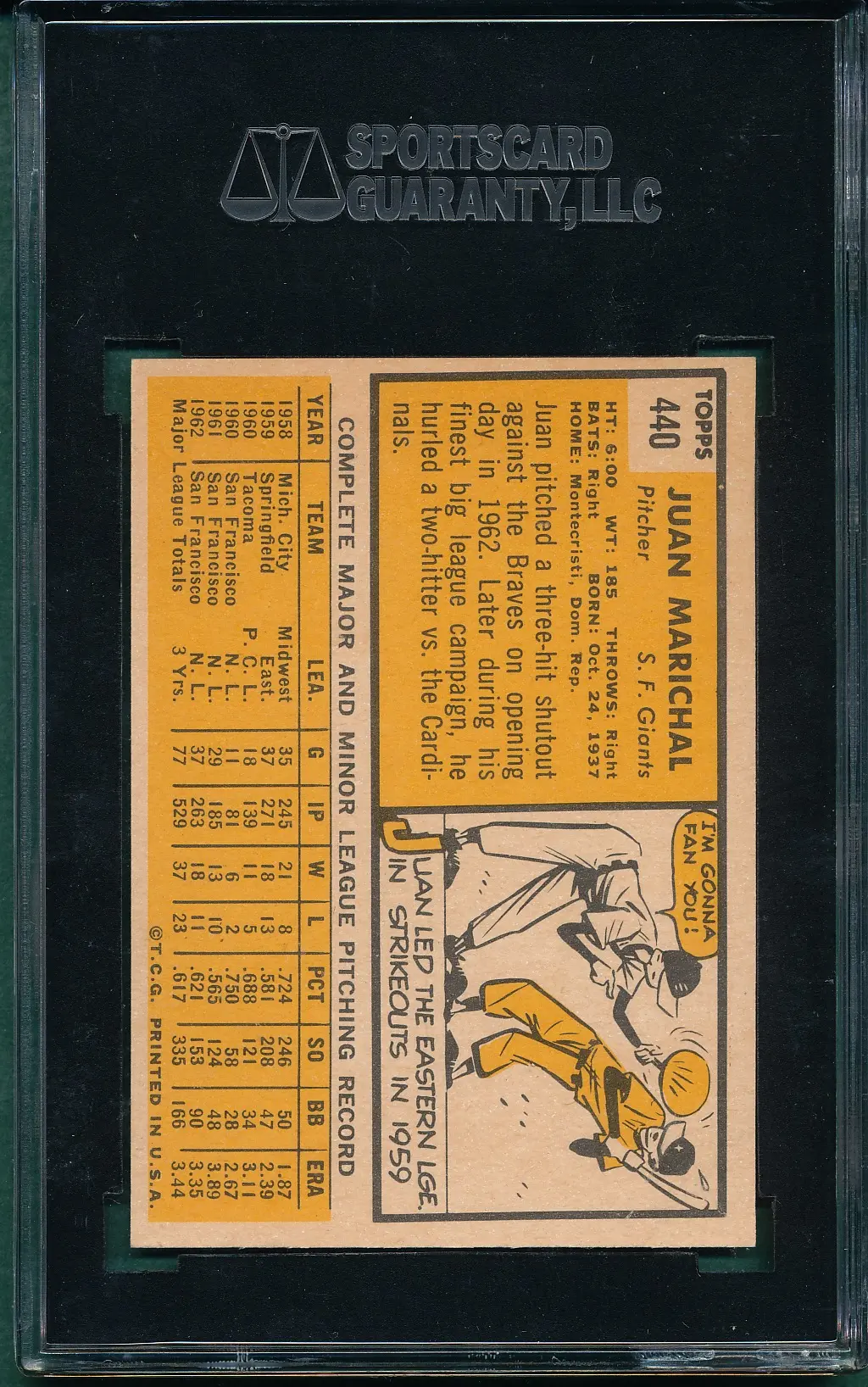
Topps Company, a predominant player in the trading card and collectibles market, has been captivating fans since its founding in 1938. From baseball cards to digital collectibles, Topps has evolved over decades, adapting to trends and technological advancements. The company holds a significant place in the hearts of collectors and the culture surrounding trading cards, making it an essential topic of discussion in today’s collectible landscape.
History and Impact
Originally famous for its baseball cards, Topps expanded its offerings in the 1950s by introducing various sports and non-sport cards, including products related to television and movies. In recent years, the rise of digital collectibles has led to innovative products like the Topps Bunt and Topps Skate apps, allowing fans to collect cards in virtual formats. The company has successfully maintained its relevance through strategies that embrace both traditional and modern collecting.
Recent Developments
The landscape of sports trading cards has seen significant changes, particularly due to the impact of the COVID-19 pandemic, which re-energized interest in collectibles. Topps reported increased sales in their physical and digital products, driven by a new generation of collectors. In 2021, the company launched unique partnerships with sports leagues and players, increasing the scope of its trading cards and collectible offerings. Additionally, in early 2022, Topps went public through a merger with a special purpose acquisition company, further solidifying its position in the market.
The Future of Topps
Looking ahead, the future of Topps appears bright. The company aims to capitalize on the booming demand for collectibles and NFTs (non-fungible tokens). By merging traditional collecting with digital advancements, Topps expects to draw in new collectors while retaining its loyal customer base. Ongoing collaborations with athletes and brands are expected to enhance its product lines, ensuring Topps remains at the forefront of the collectible industry.
Conclusion
As Topps continues to innovate in both the physical and digital realms, its impact on the trading card industry remains significant. The company’s ability to adapt to market demands and leverage modern trends suggests a promising future. Collectors should keep an eye on Topps as it evolves—those passionate about trading cards are not only investing in a piece of art but also a part of history that has shaped the world of collectibles.