Introduction
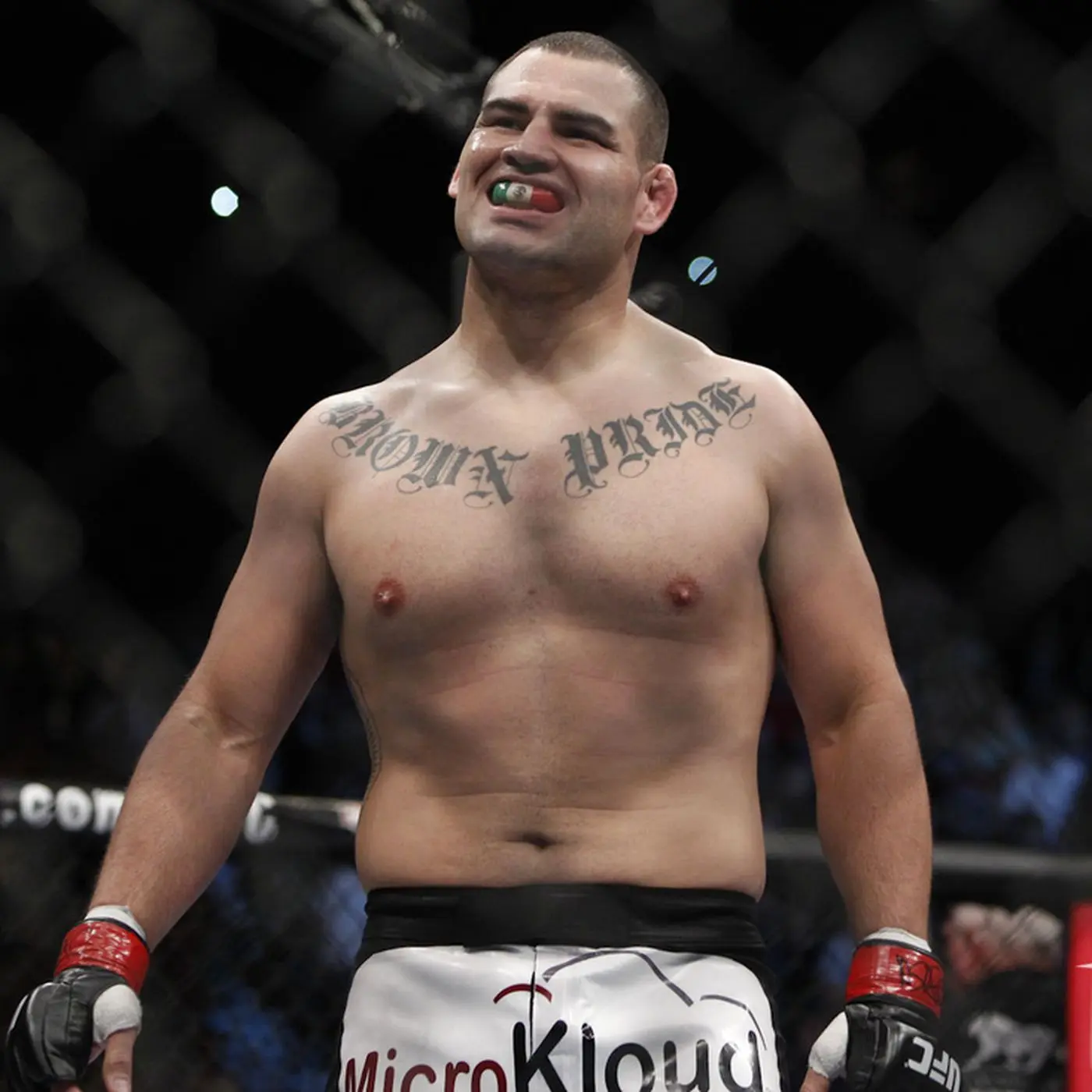
Cain Velasquez, a name synonymous with success in the world of mixed martial arts (MMA), has made headlines not only for his accomplishments inside the octagon but also for his advocacy and personal battles outside of it. Understanding Velasquez’s journey is crucial, as it sheds light on the complexities faced by professional athletes today, including issues of mental health and personal struggles.
Career Highlights
Velasquez first entered the MMA spotlight in 2008, quickly making a name for himself in the Ultimate Fighting Championship (UFC). He became the UFC Heavyweight Champion in 2010 by defeating Brock Lesnar, showcasing his striking skills and wrestling background. His most notable achievements include back-to-back victories over Junior dos Santos, solidifying his place among the best heavyweights in history. Velasquez boasts an impressive record that speaks to his skill, having defeated numerous champions during his time in the sport.
Recent Events and Legal Troubles
However, Velasquez’s life took a significant turn in 2022 when he faced serious legal troubles. After being charged with attempted murder, he was accused of shooting a man connected to the alleged abuse of his young son. This event shocked fans and the sports community, raising questions about parental protection and the lengths to which one might go when their family is threatened. Velasquez’s case has since entered the legal system, drawing attention from media outlets hoping to understand the implications of such actions, particularly for someone with a public profile.
Community Engagement and Advocacy
Despite the challenges, Velasquez has remained a prominent figure in advocating for change. He has openly discussed the importance of mental health, especially in the high-pressure environment of professional sports. Velasquez has shared his own experiences, reminding both fans and athletes that seeking help is a sign of strength. Furthermore, he has participated in charitable work, often focusing on causes that support underprivileged children and the wrestling community.
Conclusion
Cain Velasquez’s journey is a complex tapestry of triumph, struggle, and advocacy. As he navigates his current legal challenges, many are observing the implications of his story for future discussions on mental health and parenting within the realm of sports. His legacy transcends his impressive fighting record, urging a dialogue on the personal battles that often remain hidden behind an athlete’s public persona. As the situation unfolds, the community eagerly hopes for a resolution that aligns with justice and understanding.