Introduction
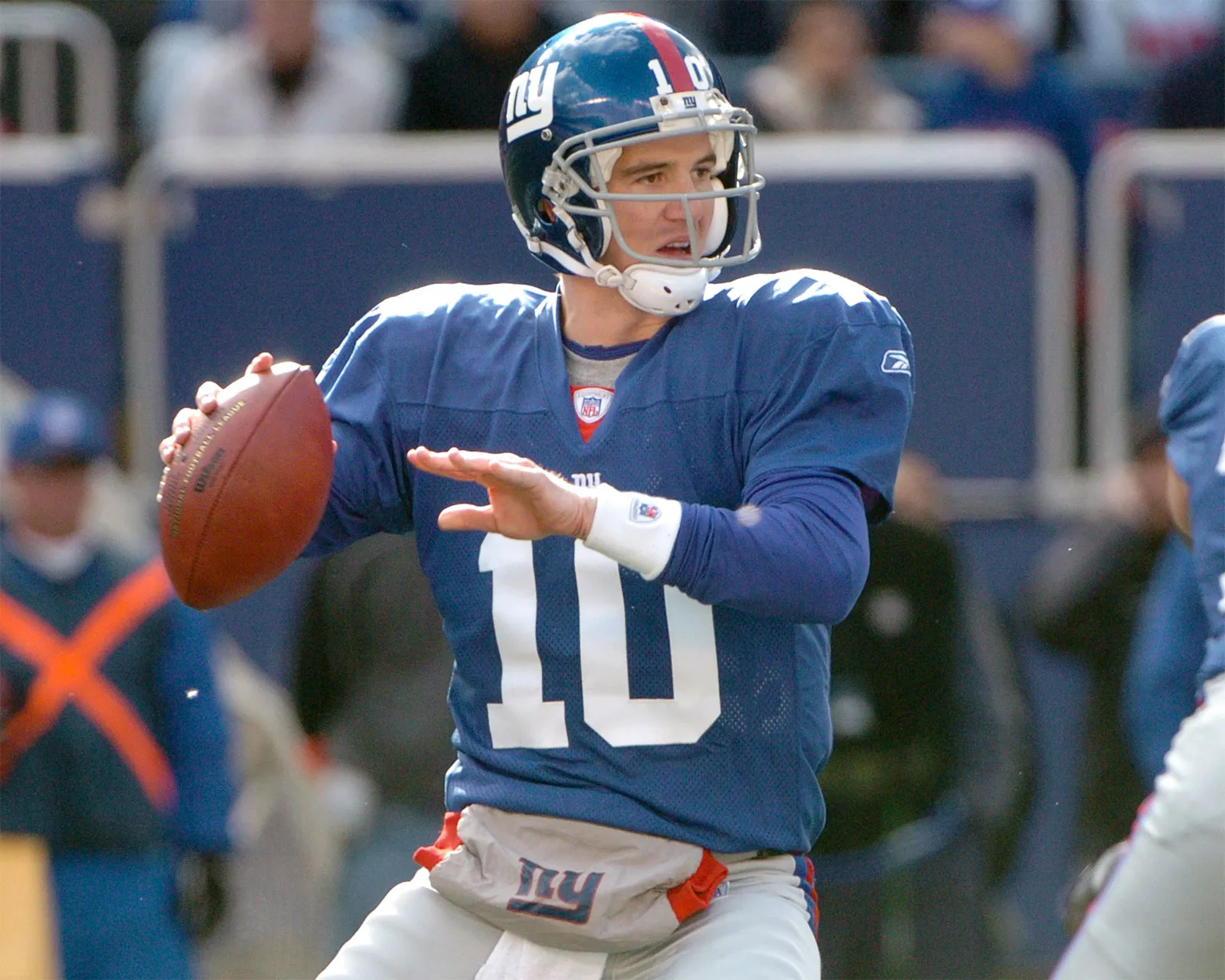
Eli Manning, known for his pivotal role as the quarterback for the New York Giants, is a name synonymous with success and resilience in the NFL. His contributions to football, particularly his remarkable performances in two Super Bowl victories, have solidified his place in sports history. However, Manning’s influence extends beyond the field; his philanthropic efforts and dedication to various causes have made significant impacts in the community. As discussions around athletes’ roles in social initiatives continue to evolve, examining Manning’s journey provides valuable insights into the life of an influential public figure.
Career Highlights
Eli Manning entered the NFL as the first overall pick in the 2004 draft, joining the New York Giants. Over his 16-year career, he led his team to two Super Bowl championships (XLII and XLVI) and was named the Super Bowl MVP both times. Manning’s ability to perform under pressure, particularly in high-stakes games, earned him a reputation as a clutch player. His career statistics include 57,023 passing yards and 366 touchdown passes, placing him among the top quarterbacks in league history.
Off the Field Contributions
Beyond his athletic accolades, Manning has made significant contributions to philanthropic endeavors. He co-founded the ‘Eli and Abby Manning Foundation,’ which focuses on educational initiatives and programs that support children and families in need. Manning has also been actively involved with the ‘March of Dimes’ organization, raising awareness and funds to fight against premature births. His commitment to giving back to the community demonstrates a vital aspect of his character, further enhancing his legacy.
Recent Events
In recent months, Manning has remained a prominent figure in football discussions as he has taken on a role as a sports analyst for ESPN’s “Monday Night Football”. His analytical insights and engaging personality have resonated with audiences, giving fans a new perspective on the game. Moreover, Manning has also participated in various celebrity events and charity fundraisers, continuing to promote causes he is passionate about.
Conclusion
As Eli Manning transitions from the football field to the broadcast booth, his legacy as a dedicated athlete and philanthropist will undoubtedly continue to inspire new generations. His achievements on the field and the commendable work he does for social causes underscore the impact of sports figures in shaping public discourse around philanthropy and community support. Manning’s journey serves as a reminder of the potential for athletes to use their platform for positive change, making him a beloved figure not only in New York but also across the globe.