Introduction
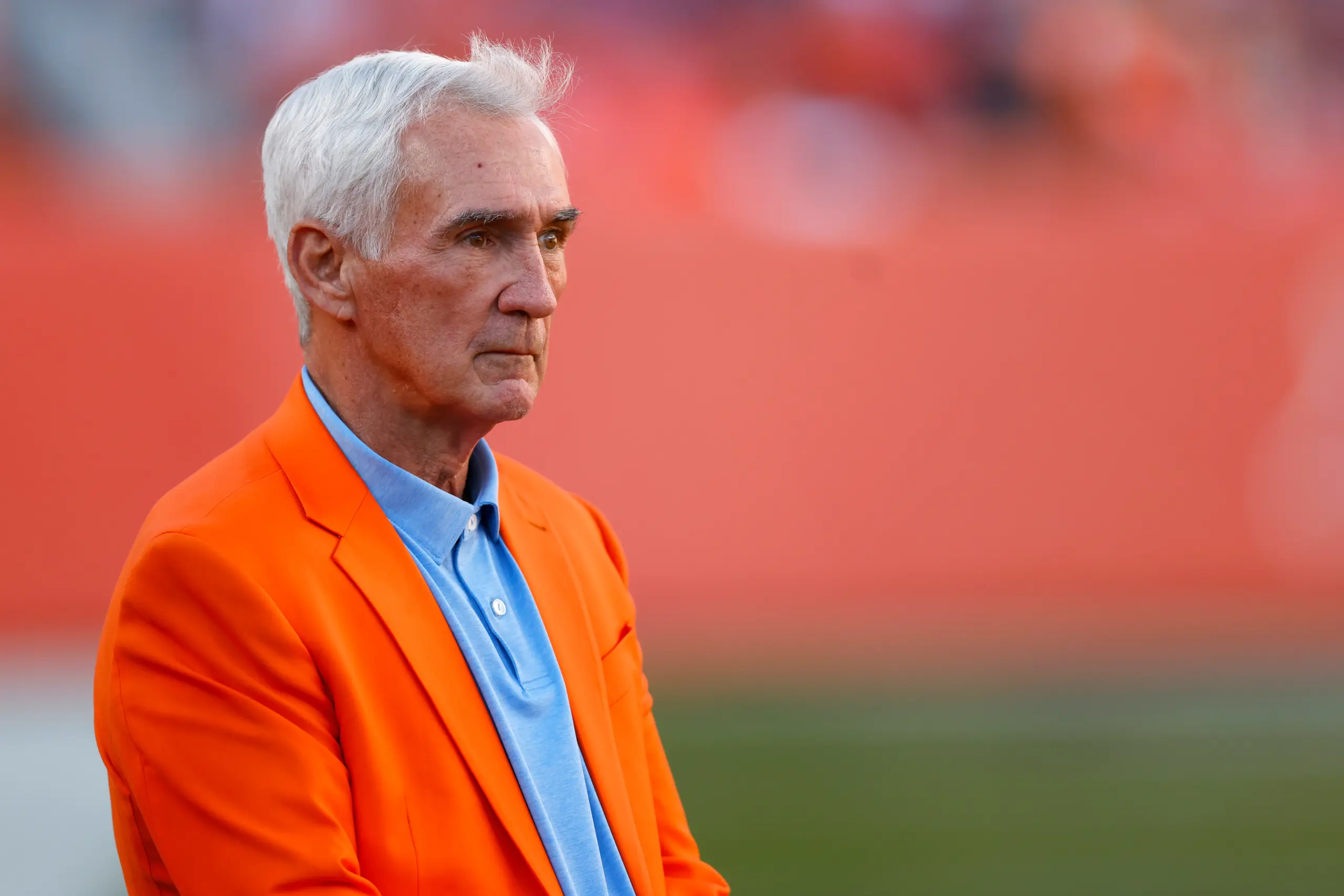
Gary Kubiak, a prominent figure in American football, is widely recognized for his contributions as both a player and a coach. His tenure in the NFL, particularly as the head coach of the Denver Broncos, has left an indelible mark on the sport. Understanding Kubiak’s impact is essential for fans and analysts alike, as he exemplifies the blend of strategy, leadership, and resilience that defines successful coaching in professional football.
Kubiak’s Coaching Career
Kubiak began his coaching career in the early 1990s after a brief stint as a quarterback in the NFL. He initially served as an assistant coach for the San Francisco 49ers before returning to his roots with the Denver Broncos. His breakthrough moment came when he took over as the team’s head coach in 2015. Kubiak led the Broncos to a Super Bowl 50 victory, marking a significant achievement not only for himself but for the franchise. Under his leadership, the team showcased a dynamic offense that catered to the strengths of quarterback Peyton Manning.
Coaching Philosophy and Style
One of Kubiak’s defining traits as a coach is his emphasis on a balanced offensive approach, which combines effective running plays with a potent passing game. His zone-blocking scheme has influenced many teams across the league, contributing to the success of numerous running backs and quarterbacks. Kubiak’s ability to adapt his strategies to suit his players has been a key factor in his longevity and effectiveness in the NFL coaching ranks.
Recent Developments
As of 2023, Kubiak has taken a step back from coaching. However, his legacy continues to influence aspiring coaches and players. His successful mentorship has led to several of his former assistants moving into head coaching roles throughout the league. Kubiak’s emphasis on player development and team culture remains relevant in current coaching discussions.
Conclusion
Gary Kubiak’s impact on American football is undeniable. As the game continues to evolve, the principles he emphasized during his coaching career—teamwork, adaptability, and strategic planning—will surely remain relevant. As analysts look forward to the future direction of the league, Kubiak’s legacy provides essential insights into the art of coaching and player development. Fans and aspiring coaches alike can glean valuable lessons from Kubiak’s journey, ensuring that his contributions will resonate within the football community for years to come.