Introduction
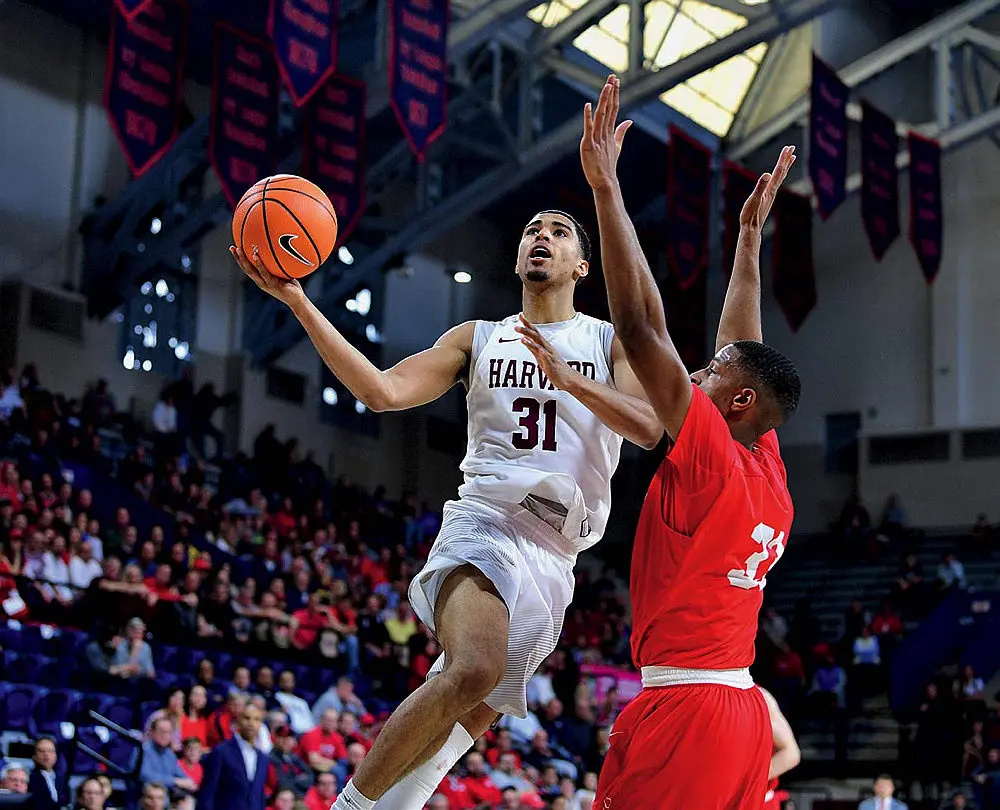
Harvard basketball holds a significant place in collegiate athletics, representing not only academic excellence but also competitive spirit on the hardwood. The program, part of the Ivy League, has a rich history that showcases both its athletic achievements and contributions to the sport. Understanding the evolution and current status of Harvard basketball is essential for fans and prospective players alike.
Historical Background
The Harvard Crimson men’s basketball team was established in 1900, and it has since developed a reputation for balancing academic and athletic prowess. Harvard’s rich tradition includes multiple Ivy League championships and a notable 1946 NCAA Tournament appearance, paving the way for future successes. Its women’s basketball program has also made significant strides, culminating in Ivy League titles and NCAA Tournament appearances.
Recent Developments
In recent years, Harvard basketball has seen a resurgence, particularly under the leadership of coach Tommy Amaker. Joining the program in 2007, Amaker has led the Crimson to several NCAA Tournament berths, showcasing talent such as Jeremy Lin, who became a national sensation during his time at Harvard. The 2022-2023 season marked a crucial phase for Harvard, with a strong roster aiming for the Ivy League title as the competition continues to intensify.
Current Season Outlook
The ongoing 2023-2024 season has generated excitement among players and fans, with several key players showing promise. Support from the administration and alumni has bolstered the program, allowing for enhanced facilities and recruitment efforts. As the team navigates its conference schedule, expectations are high, particularly with the goal of reclaiming their place in NCAA postseason play.
Conclusion
Harvard basketball is more than just a college program; it is a blend of tradition, academic excellence, and competitive drive. As the team embarks on a new season, the potential for growth and success remains bright. The legacy of Harvard basketball continues to inspire future generations, both on and off the court, reaffirming the importance of merging education with athletics.