Introduction
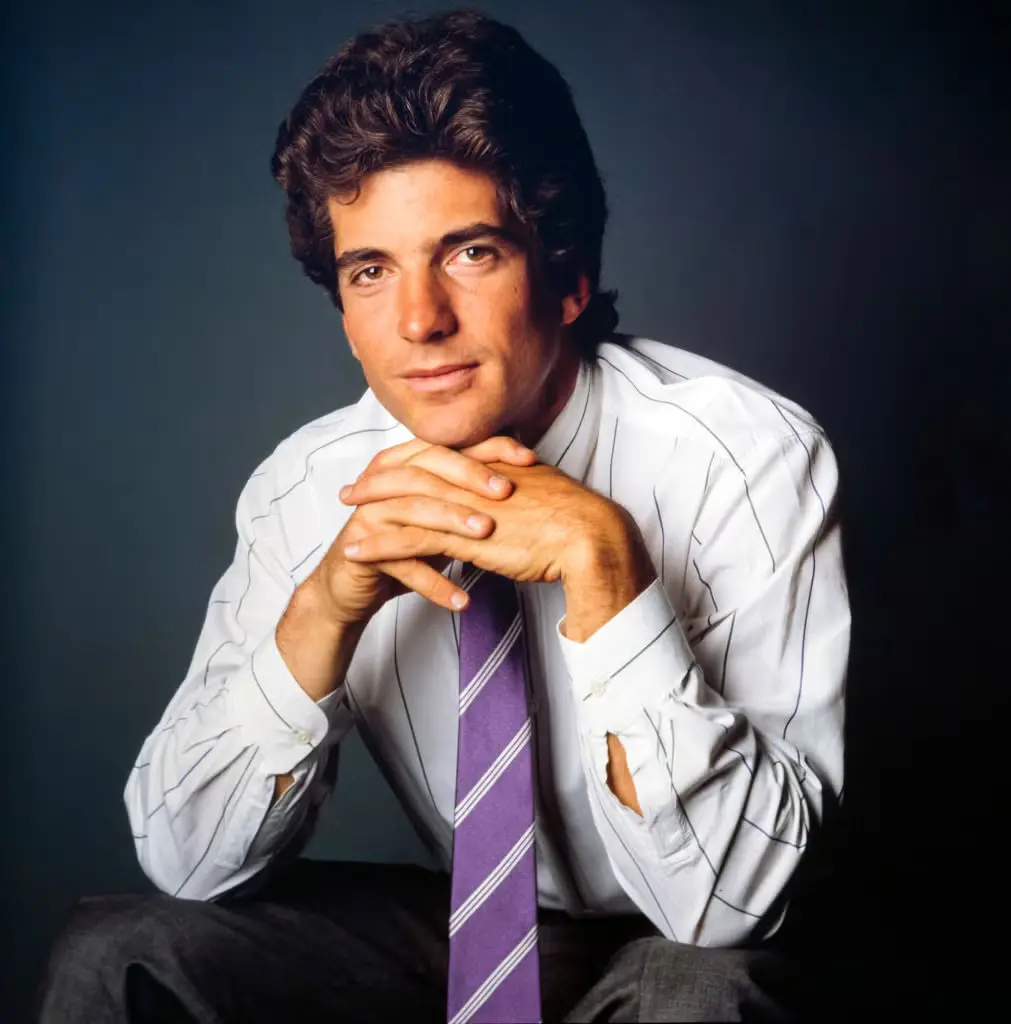
John F. Kennedy Jr., the son of President John F. Kennedy, was a figure who captivated the American public with his charm, charisma, and commitment to public service. His untimely death in 1999 shocked the nation and sparked a myriad of discussions regarding his potential role in politics and his family’s legacy. JFK Jr’s story remains relevant as discussions about leadership and public trust evolve, particularly in today’s complex political landscape.
A Brief Overview of JFK Jr
Born on November 25, 1960, JFK Jr grew up in the public eye, often seen as the ‘American royalty’ due to his family’s prominence. He graduated from Brown University and earned a law degree from New York University. In 1995, he founded the political magazine ‘George,’ aimed at inspiring young Americans to engage in public affairs.
His Impact on Politics and Society
JFK Jr was not merely another member of a famous family; he sought to carve his own path. His public presence and charismatic personality inspired a generation to rethink civic engagement. His advocacy for various causes, including civil rights and environmental protection, laid the foundation for many contemporary movements. Despite his death, the values he championed continue to resonate in today’s activist circles.
Current Relevance
Recently, JFK Jr’s name has resurfaced in political discussions, particularly among groups clamoring for transparency in government and a return to politics that prioritizes the public good over partisan interests. His legacy is sometimes co-opted or referenced in conspiracy theories, indicating the continued fascination with his life, ideals, and the impact of the Kennedy family on American life. As America grapples with divisions and a fragmentation of trust in political figures, the themes of integrity and service embodied by JFK Jr remain poignantly relevant.
Conclusion
Though JFK Jr is no longer with us, his legacy continues to inspire discourse about leadership and the role of public figures in society. As future generations look to role models in politics, the ideals he represented—commitment to public service, civic responsibility, and the importance of standing up for justice—will likely continue to guide those who seek to follow in his footsteps. The enduring public fascination with JFK Jr underscores not only the mythical allure of the Kennedy family but also a deep-seated yearning for leaders who embody hope and progress.