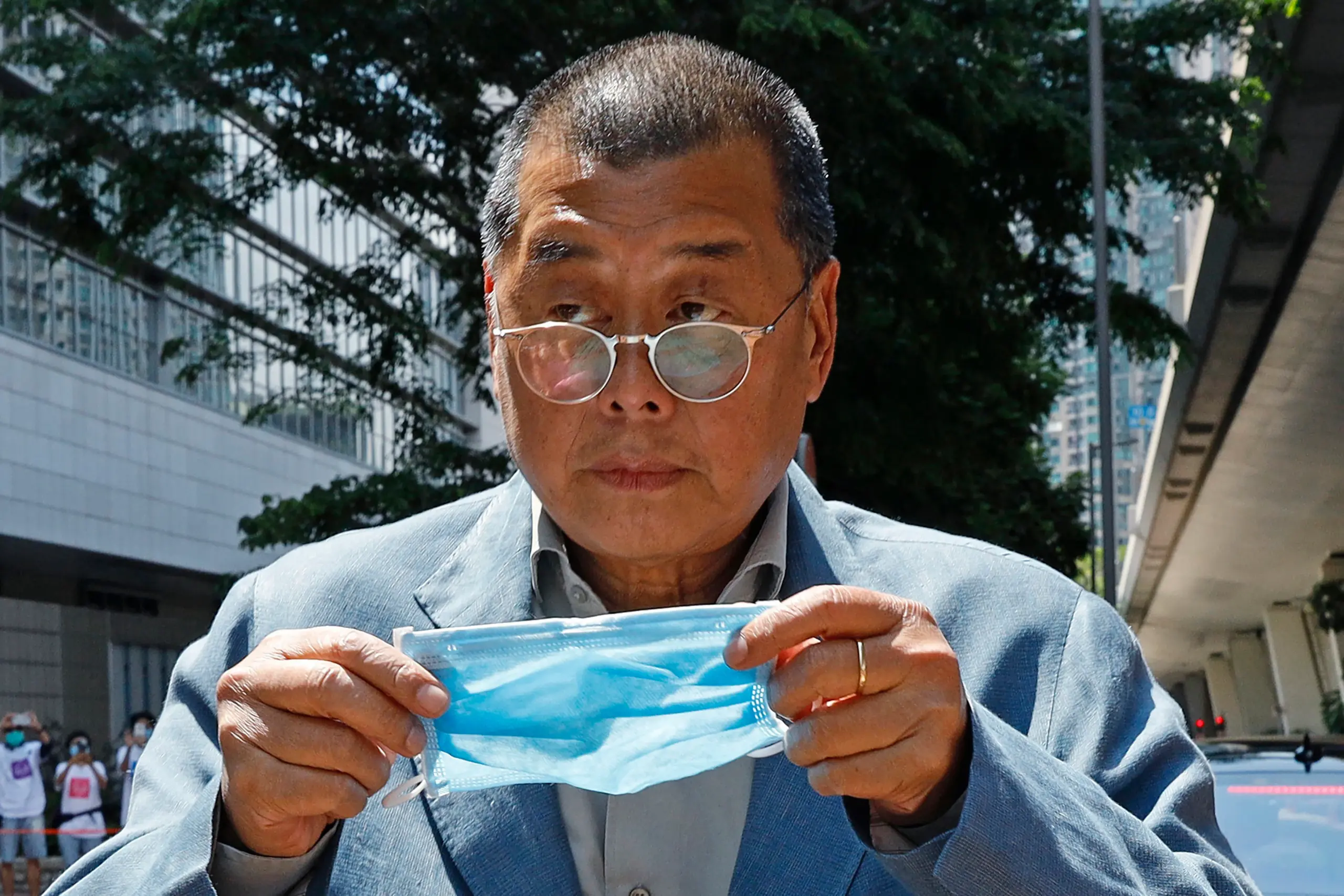
Introduction: The Significance of Jimmy Lai
Jimmy Lai, a prominent Hong Kong media tycoon and founder of the Apple Daily, has become a symbol of press freedom and democracy in the region. His recent detention under the National Security Law has raised international concern regarding the future of journalism and free speech in Hong Kong. Given the ongoing struggle for democracy in the city, Lai’s situation is pivotal in understanding the broader implications for civil liberties.
Key Events Surrounding Jimmy Lai
On August 10, 2020, Jimmy Lai was arrested for alleged violations of the National Security Law, a controversial legislation imposed by Beijing to tighten its grip on Hong Kong. Lai’s arrest sparked global outrage, with numerous human rights organizations and foreign governments condemning the act. The implications were far-reaching as it represented a significant step toward the suppression of independent media and dissenting voices in Hong Kong. Since his arrest, Lai has remained in custody, facing multiple charges, which continue to evolve as the legal proceedings unfold.
In December 2022, Lai was sentenced to five years and nine months in prison for fraud charges related to the leasing of a building for his newspaper. This is merely the latest development in a series of legal battles that have portrayed the Hong Kong government’s intensified crackdown on pro-democracy figures and media outlets. Lai’s Apple Daily, known for its critical coverage of the government, was forced to shut down in June 2021, following a raid by authorities and the freezing of its assets, emphasizing the precarious position of press freedom in the region.
Global Reactions and Implications
The international community has reacted strongly to Lai’s situation. Governments and organizations, including the United Nations and Amnesty International, have called for his release and condemned the erosion of fundamental rights in Hong Kong. In March 2023, over 20 countries, including the U.S. and members of the European Union, issued a joint statement urging China to uphold its commitments to protect freedoms in Hong Kong.
Conclusion: The Broader Significance
Jimmy Lai’s situation is not just about one individual; it reflects the broader struggle for democracy and freedom of speech in Hong Kong. As the region continues to grapple with the implications of the National Security Law, Lai’s case serves as a crucial reminder of the importance of independent journalism. Looking ahead, Lai’s legacy may inspire future generations to advocate for civil liberties, despite the challenging environment. His fight for press freedom continues to resonate, underscoring the need for vigilance and support from the global community in defending democratic values.