Introduction
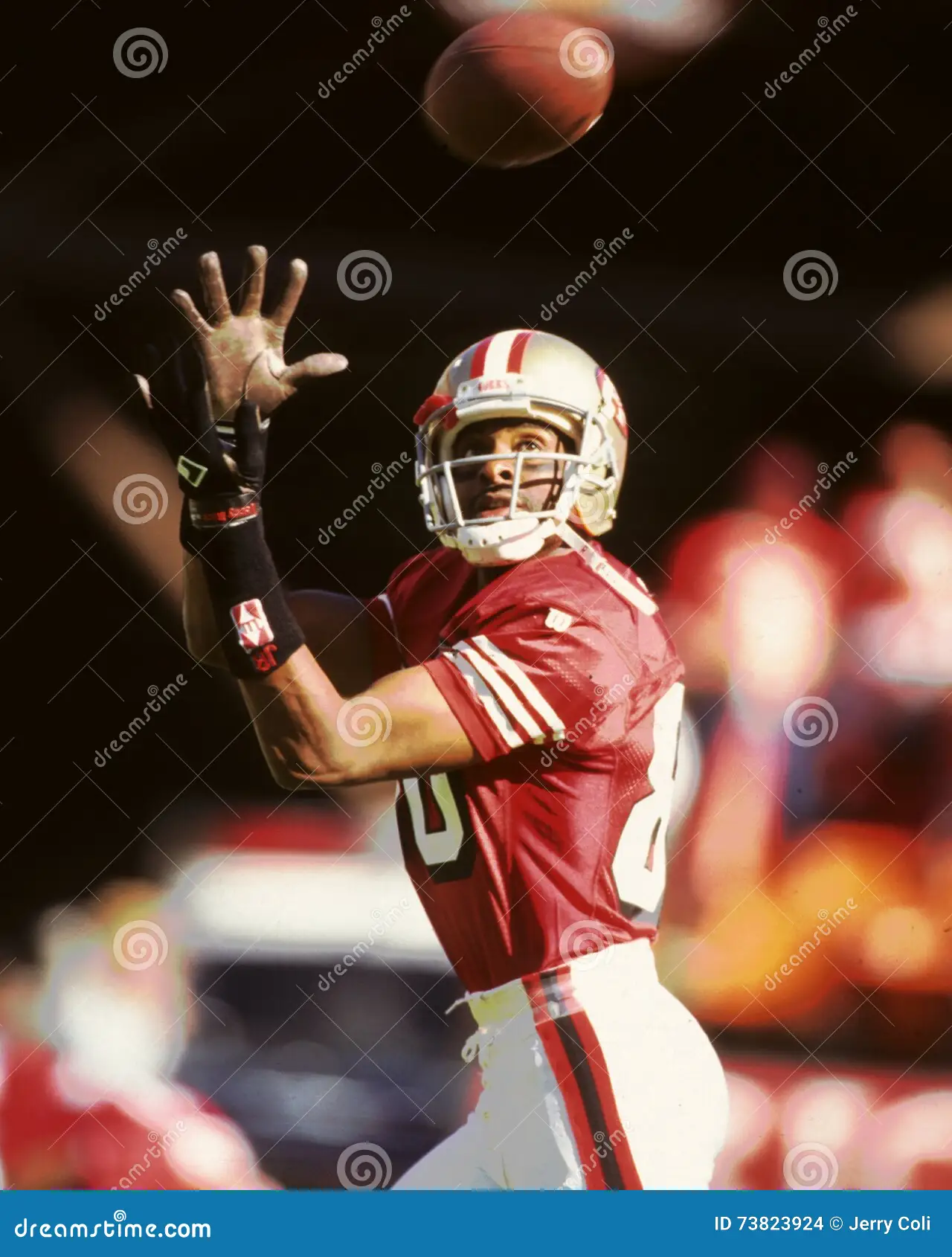
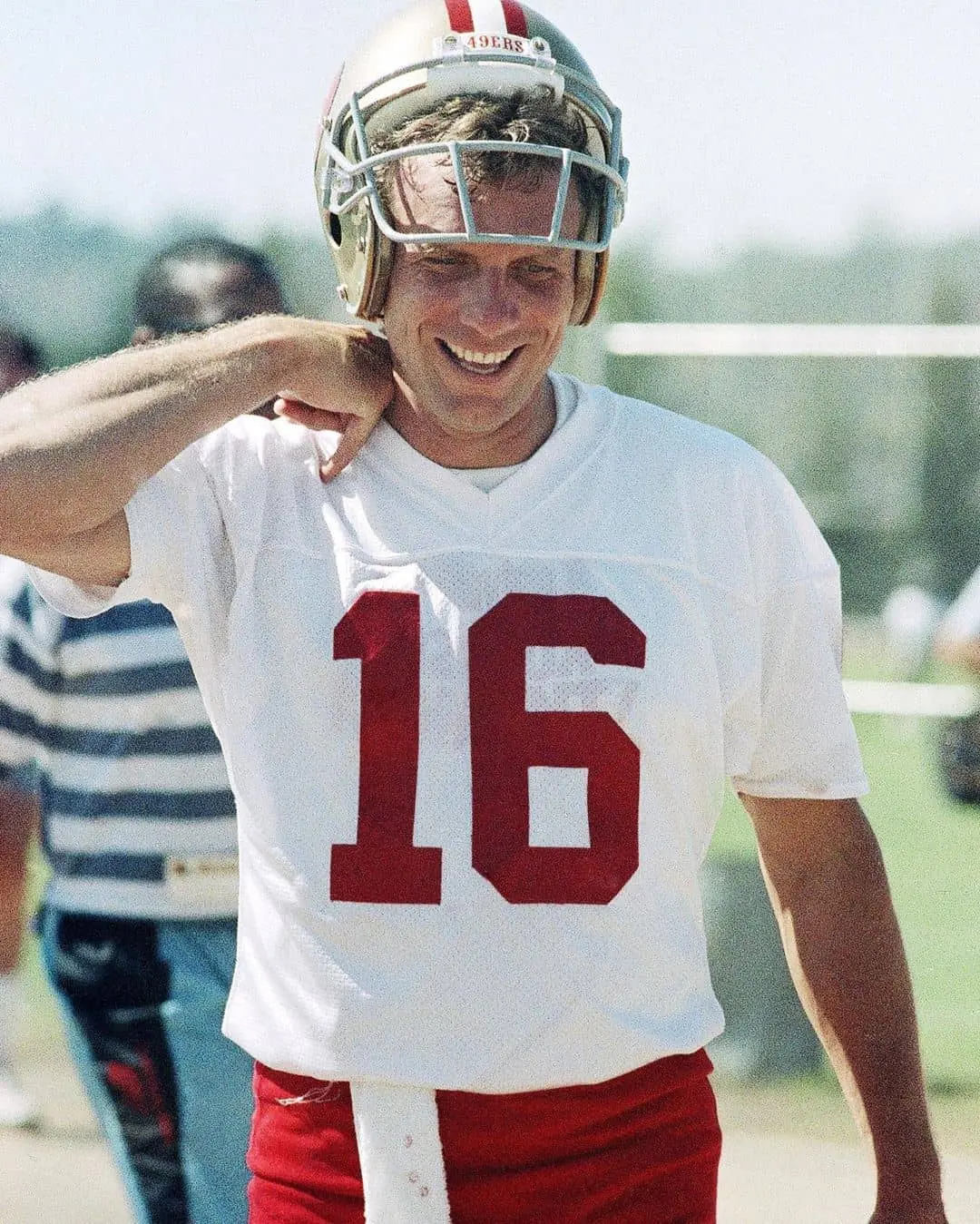
Joe Montana, often considered one of the greatest quarterbacks in NFL history, holds a significant place in football lore, primarily due to his remarkable success in Super Bowls. With a perfect 4-0 record in the championship games, Montana’s performances not only defined his career but also reshaped the landscape of the quarterback position, illustrating the importance of poise and precision in crucial moments.
Super Bowl Performances
Montana’s Super Bowl journey began in 1982 when he led the San Francisco 49ers to victory in Super Bowl XVI against the Cincinnati Bengals. With a skillful performance, Montana threw for over 260 yards and was named MVP, showcasing his ability to deliver under pressure. This victory marked the beginning of a dynasty, as he would go on to lead the 49ers to three more championships in the following years.
His second Super Bowl appearance, Super Bowl XIX in 1985, kept the momentum going, as Montana’s 331-yard and three-touchdown effort against the Miami Dolphins further solidified his reputation. Notably, during this game, he outperformed legendary quarterback Dan Marino, winning the MVP award again.
Montana’s triumph continued in Super Bowl XXIII in 1989, where he faced the Cincinnati Bengals once more. It was a nail-biting matchup, but a historic 92-yard drive culminated in the game-winning touchdown pass to John Taylor, further embellishing Montana’s legacy with another Super Bowl MVP award.
His last Super Bowl appearance came in 1990 in Super Bowl XXIV, where Montana showcased his mastery with a record-setting performance against the Denver Broncos. Throwing for five touchdowns and 297 yards, he led his team to a lopsided 55-10 victory, and he was declared MVP for the third time in his Super Bowl career. This game remains one of the most one-sided victories in Super Bowl history.
Conclusion
Joe Montana’s impact on the NFL extends far beyond statistics and victories; he redefined what it meant to be a clutch performer. His ability to maintain composure under intense pressure, paired with his skill level and leadership, has inspired generations of quarterbacks. As the league continues to evolve, Montana’s influence remains palpable, reminding us that greatness is measured not just in wins and losses, but in the moments that define championships.
As fans celebrate his legacy, one cannot overlook the significance of Montana’s unfaltering success in Super Bowls—a standard that many quarterbacks still aspire to achieve. With the NFL consistently in the limelight, discussions about Montana and his paramount Super Bowl success will undoubtedly continue for years to come.