Introduction
Michael Vick, once a celebrated quarterback in the NFL, is a name that invokes a wide range of emotions and discussions. His career has been marked by both extraordinary athleticism and significant controversy, particularly surrounding his involvement in illegal dogfighting. As discussions about athletes, accountability, and redemption continue to evolve, Vick’s story remains a poignant example of both triumph and tragedy in the world of sports.
Vick’s Rise to Stardom
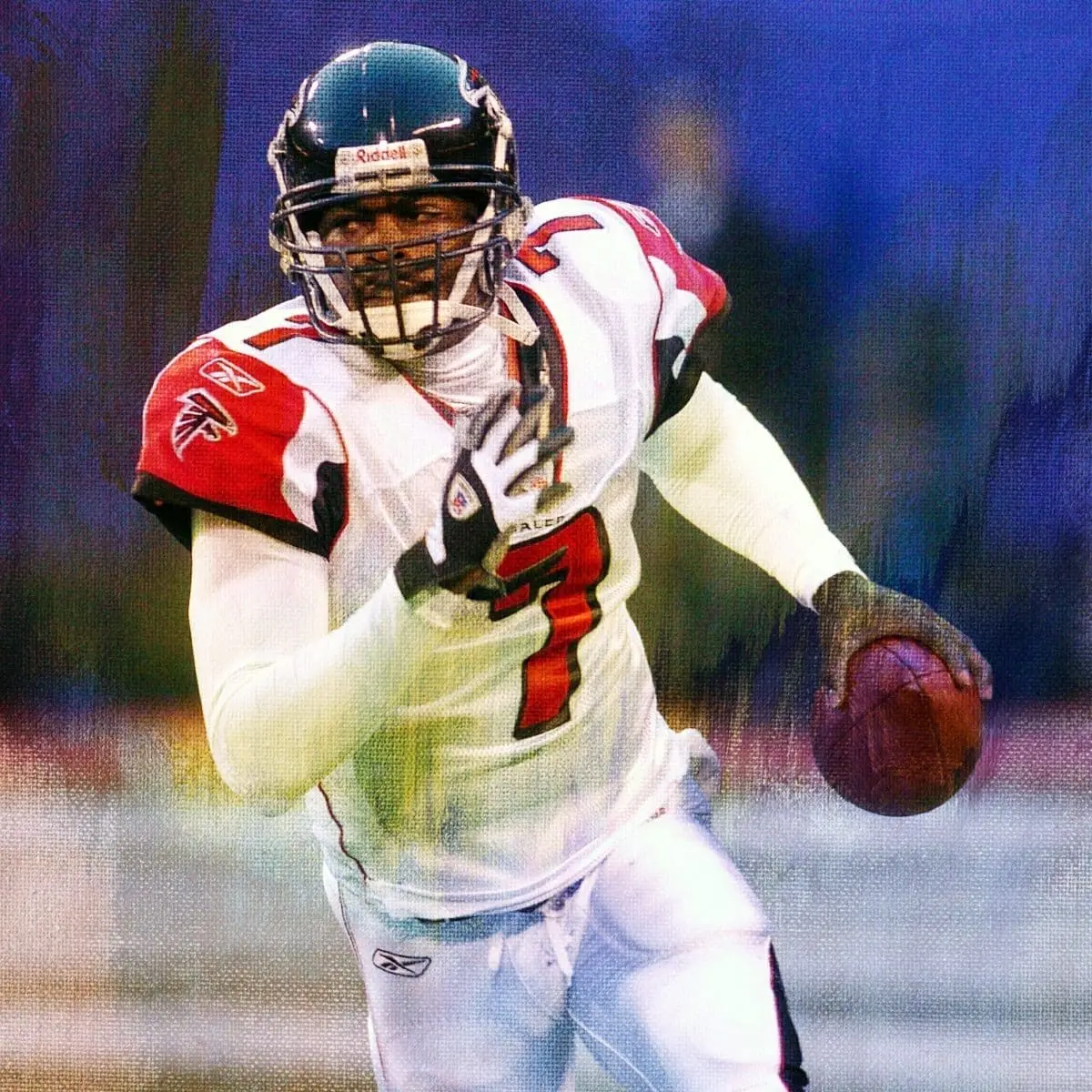
Born on June 26, 1980, in Newport News, Virginia, Michael Vick rapidly rose through the ranks of college football at Virginia Tech. His electrifying playing style and ability to make plays with his legs and arm made him the first overall pick in the 2001 NFL Draft by the Atlanta Falcons. Vick quickly became a household name, known for his remarkable speed and agility on the field, often revolutionizing the quarterback position.
The Fall from Grace
However, Vick’s image changed dramatically in 2007 when he was implicated in a dogfighting ring. In a high-profile case, he was convicted and sentenced to 23 months in federal prison. This period marked a significant downfall in his career, leading to his suspension from the NFL and tarnishing his reputation. The case sparked widespread outrage and profound discussions about animal rights, ethics in sports, and personal accountability.
Redemption and Return
After serving his prison sentence, Vick sought to rebuild his life and career. He made a comeback in 2009 with the Philadelphia Eagles, where he demonstrated remarkable resilience, earning a Pro Bowl selection and leading the Eagles to the playoffs. His return was not just about football; it was also a chance to address and learn from his past mistakes. Vick became an advocate for animal rights and frequently spoke out against dogfighting, emphasizing the importance of education in preventing such acts.
Conclusion
Today, Michael Vick’s journey continues to resonate in discussions surrounding ethics, redemption, and the complexities of celebrity. His ability to rise again after significant adversity showcases a narrative of hope and resilience, albeit layered with controversy. For sports fans and social commentators alike, Vick’s legacy forces a reexamination of how society views mistakes, accountability, and the potential for change. As he engages with communities and advocates for positive change, Vick remains an influential figure, reminding us that redemption is possible but often requires a long and challenging path.