Introduction
Nodar Kumaritashvili, a Georgian luger, tragically lost his life during a practice run for the 2010 Winter Olympics in Vancouver, an event that shook the sports world and raised important discussions about athlete safety. His death highlighted the urgent need for improved safety protocols in extreme sports, prompting not only reforms in luge but also in various sports disciplines. Understanding this pivotal moment is crucial for athletes, organizers, and spectators alike as it serves as a reminder of the risks associated with high-speed, high-stakes competitions.
The Incident
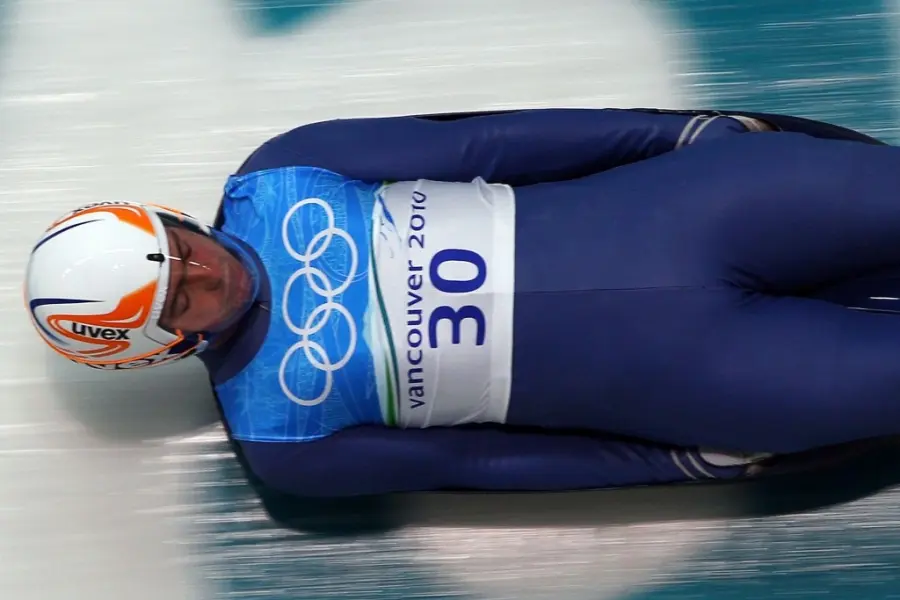
On February 12, 2010, just hours before the opening ceremony of the Vancouver Olympics, Nodar Kumaritashvili crashed during a training run at the Whistler Sliding Centre. The 21-year-old athlete lost control of his sled and collided with a steel pole, suffering fatal injuries. This tragic event sent shockwaves through the Olympic community and raised significant concerns regarding the safety measures in place at the luge venue. Kumaritashvili was known for his speed and skill; however, the layout of the Whistler track was recognized as one of the fastest and most dangerous in Olympic history, elevating the stakes for all competitors.
Aftermath and Safety Reforms
In the aftermath of Kumaritashvili’s death, the International Luge Federation (FIL) and the Vancouver Olympic Organizing Committee faced intense scrutiny. An investigation into the incident led to urgent discussions regarding track safety and athlete protection. Although the track was designed to meet existing safety standards, the incident prompted a reevaluation of design elements including the placement of safety barriers and athlete control mechanisms. As a result, several changes were made to tracks used in subsequent competitions and enhanced emphasis was placed on rigorous training and helmet standards for athletes.
The Legacy of Nodar Kumaritashvili
Nodar Kumaritashvili’s legacy extends beyond the particulars of his tragic fate. He became a symbol for the push toward ensuring athlete safety in high-speed sports. Sports organizations worldwide have since adopted stricter safety protocols not only in luge but also in other sports characterized by high velocities. His story acts as a stark reminder of the human cost associated with extreme sports and the continuous necessity for improvement in safety standards. Many athletes now honor Kumaritashvili’s memory as they compete, advocating for ongoing reforms that prioritize life over competition.
Conclusion
Nodar Kumaritashvili’s tragic accident remains a crucial point of reflection for the sports industry. It emphasizes the need for heightened awareness of safety in extreme sports, reinforcing that athletic excellence should not come at the cost of an athlete’s life. As sports continue to evolve with technology and training methodologies, the lessons learned from Kumaritashvili’s legacy are more relevant than ever. The commitment to safety remains a shared responsibility among athletes, coaches, organizers, and fans, ensuring that the spirit of sports can thrive without sacrificing well-being.