Introduction
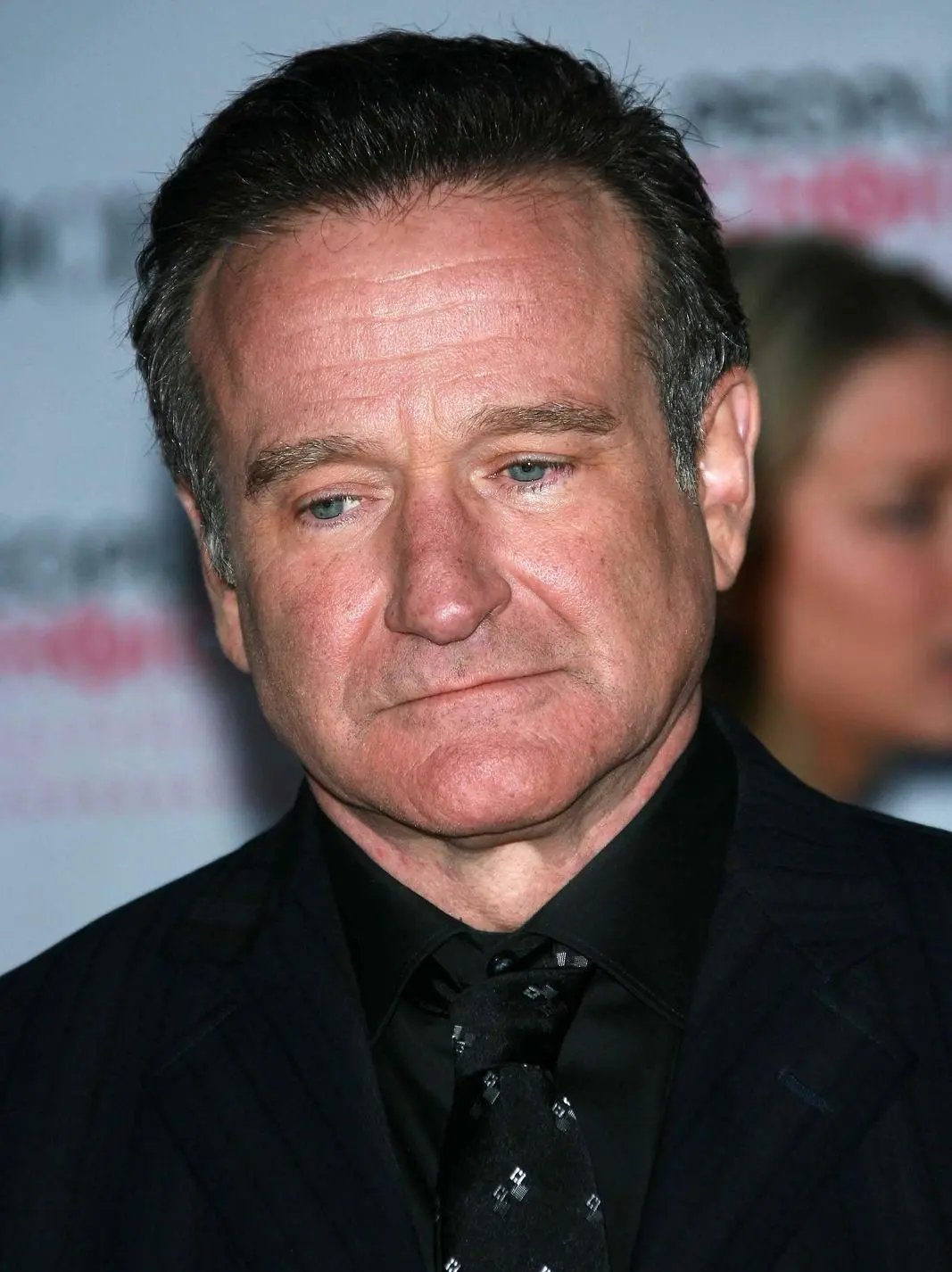
Robin Williams, an American actor and comedian, left an indelible mark on the world of entertainment before his tragic passing in 2014. Known for his extraordinary talent and versatility, Williams brought laughter and joy to countless fans through his stand-up performances and iconic film roles. His relevance in today’s culture continues to be felt, reflecting on mental health challenges and the importance of comedy in healing.
The Life and Career of Robin Williams
Born on July 21, 1951, in Chicago, Illinois, Williams quickly discovered his passion for performing. He began his career in the 1970s with stand-up comedy and gained national recognition after starring in the television series ‘Mork & Mindy’. His unique ability to improvise and connect with audiences set him apart from his contemporaries. Throughout his career, Williams starred in a plethora of beloved films including ‘Good Will Hunting’, ‘Mrs. Doubtfire’, and ‘Jumanji’, earning him numerous awards, including an Academy Award for Best Supporting Actor.
The Impact of Mental Health Awareness
Despite his fame and success, Williams struggled with mental health issues, specifically depression and anxiety. After his passing, it was revealed that he had been battling a severe case of Lewy body dementia, a condition that contributed to his emotional struggles. Williams’ story has since sparked discussions about mental health, encouraging fans and fellow comedians to destigmatize seeking help. The ongoing conversation has fostered initiatives aimed at supporting mental health awareness, especially in the entertainment industry.
Conclusion
Robin Williams’ legacy lives on through his performances and the conversations he ignited about mental health. His ability to make people laugh while also highlighting the struggles one can face serves as a powerful reminder of the duality of human experience. As fans continue to celebrate his artistry, there’s hope that more individuals will feel empowered to seek help and express themselves openly. Williams’ impact is a testament to the notion that laughter can indeed be a remedy for sorrow, inspiring future generations of artists and comedians to continue sharing their stories.