Introduction
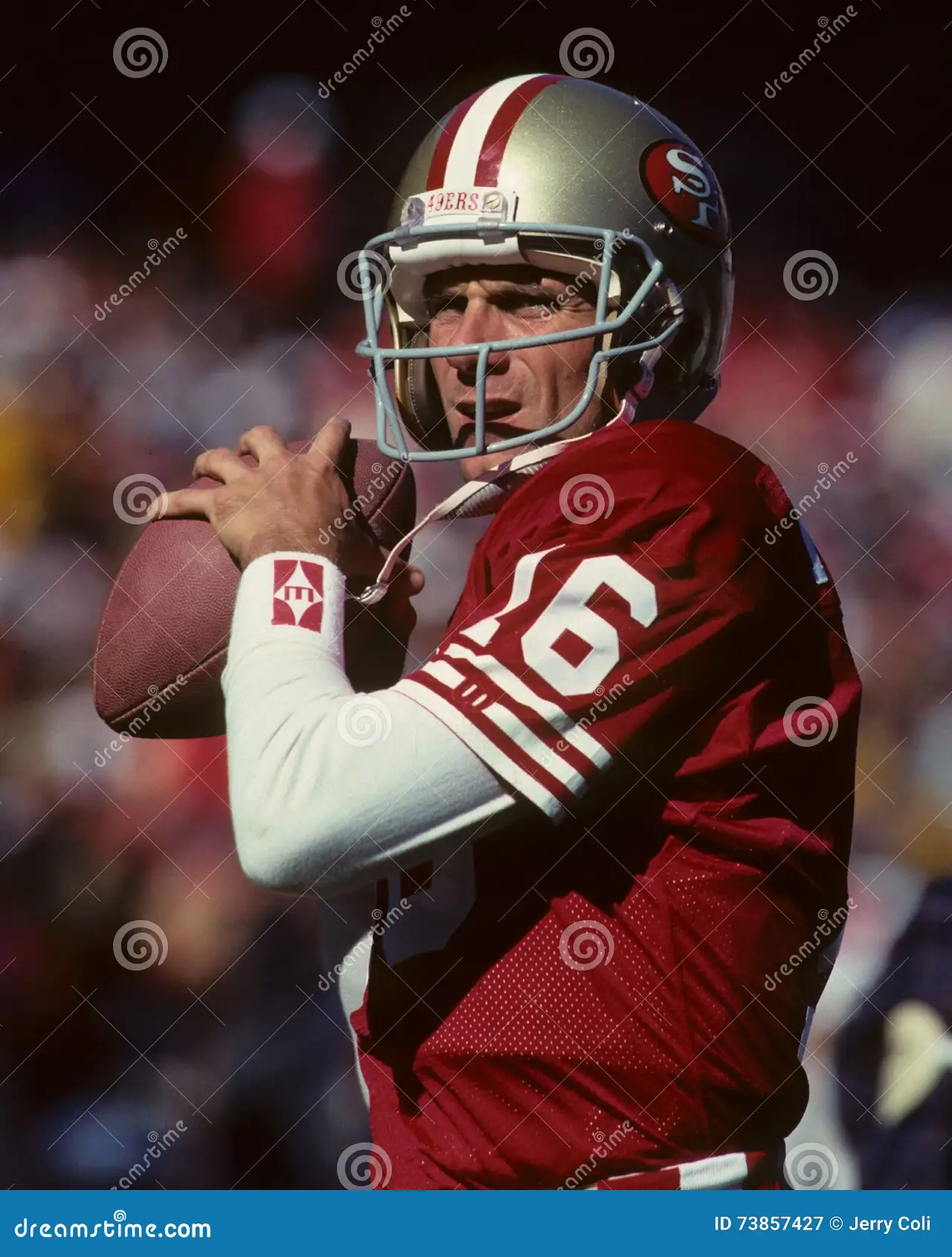
Joe Montana, often regarded as one of the greatest quarterbacks in the history of the NFL, holds a significant place in American sports culture. Born on June 11, 1956, Montana’s impact on the game extends beyond his impressive statistics; he is synonymous with clutch performances, winning four Super Bowl titles with the San Francisco 49ers in the 1980s. His legacy is a testament to skill, determination, and the ability to perform under pressure, making him a relevant figure for both fans and aspiring athletes today.
Early Life and College Success
Montana grew up in a small town in Pennsylvania, where his passion for sports emerged at an early age. He attended the University of Notre Dame, where he had a standout college career. Despite facing challenges, including being a backup initially, Montana led Notre Dame to a national championship in 1977, showcasing his remarkable talent and resilience.
NFL Career Highlights
Drafted in 1979 by the San Francisco 49ers, Montana quickly made his mark in the NFL. He became known for his exceptional football IQ, accuracy, and poise in high-pressure situations. His most notable accomplishments include:
- Four Super Bowl Championships: 1982, 1985, 1989, 1990
- Three Super Bowl MVP awards
- Two NFL MVP awards
- Induction into the Pro Football Hall of Fame in 2000
Montana’s legendary status was solidified in pivotal games, including their comeback win in Super Bowl XXIII against the Cincinnati Bengals, where he led a game-winning drive that culminated in a touchdown pass to John Taylor with just seconds remaining.
Post-NFL Life and Legacy
After retiring from professional football in 1994, Montana transitioned into business, becoming a successful entrepreneur. He has also remained active in various philanthropic efforts, contributing to youth sports programs across the country. Montana’s influence on future generations of quarterbacks is evident, as many young players cite him as a primary inspiration for their careers.
Conclusion
Joe Montana’s extraordinary achievements on the field and his lasting impact on the game of football secure his place as an enduring sports icon. As discussions about the greatest quarterbacks of all time continue, Montana’s legacy is a benchmark for excellence. His story serves as motivation for many young athletes and echoes the importance of perseverance, skill, and the heart it takes to succeed at the highest levels of competition. The nature of his achievements not only captivates football fans but also imparts valuable lessons for all who follow their dreams.